Garden bulbs that multiply are a fantastic way to create a lush and vibrant outdoor space with minimal effort. These hardy plants not only bring beauty to your garden but can also double in number each growing season, filling your landscape with colorful blooms and greenery. Get ready to make your garden the talk of the neighborhood!
Snowdrops: Early Bloomers That Spread
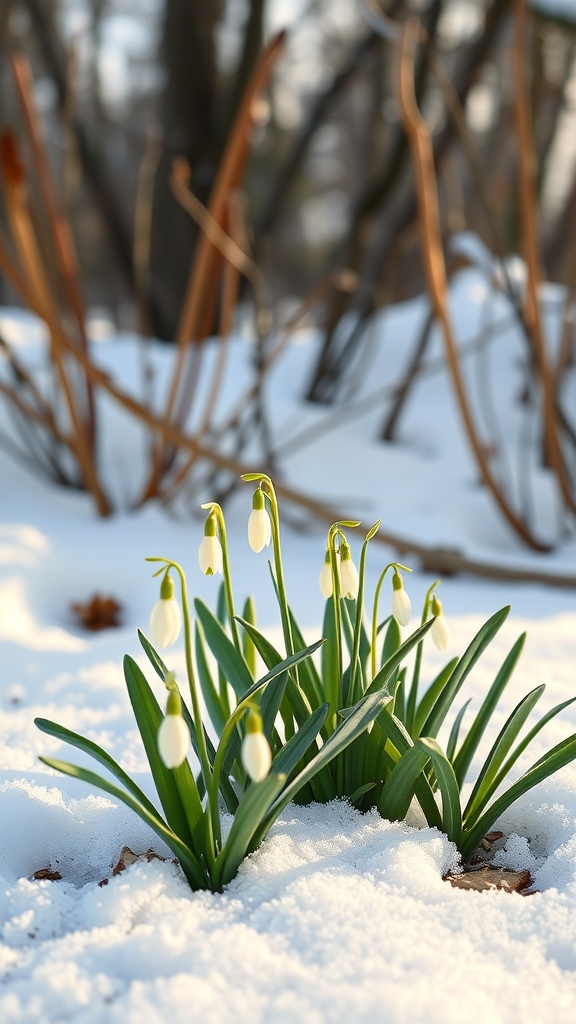
Snowdrops are one of the first flowers to bloom in spring, often peeking through the snow. Their delicate white petals and green tips create a charming sight. These little beauties are not just pretty; they also multiply over time, making them a great addition to any garden.
In the image, you can see a cluster of snowdrops standing tall amidst a blanket of snow. This scene captures the essence of resilience, as these flowers bravely emerge even in chilly conditions. They thrive in various environments, from woodlands to gardens, and can spread naturally if given the right conditions.
Planting snowdrops is simple. They prefer well-drained soil and partial shade. Once established, they will multiply, creating a lovely carpet of white blooms year after year. This makes them a favorite for gardeners looking to add early color to their landscapes.
Hyacinths: Fragrant and Multiplying
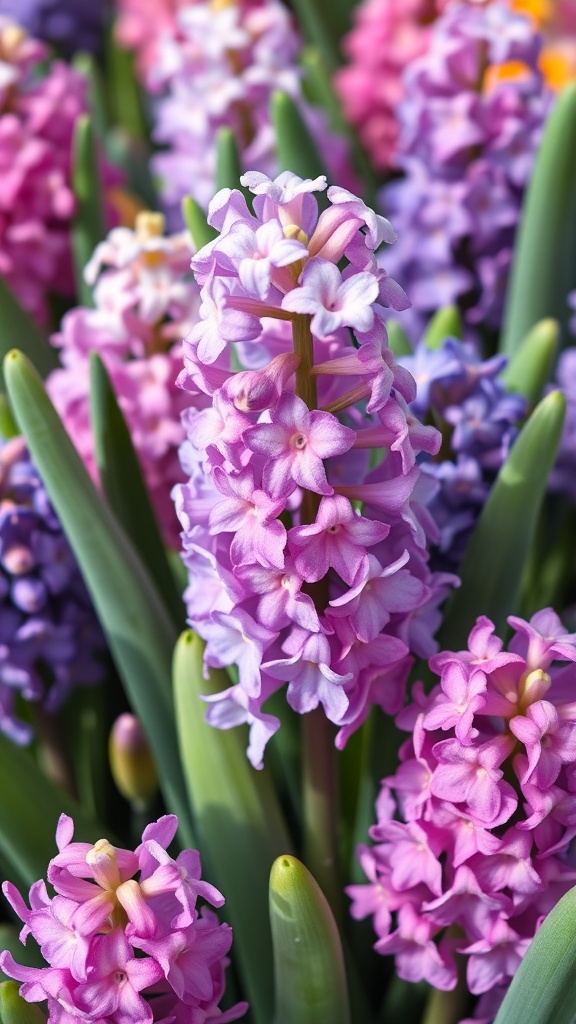
Hyacinths are a delightful addition to any garden. Their vibrant colors and sweet fragrance can brighten up any space. These flowers come in various shades, from soft pinks to deep purples, creating a stunning visual display.
One of the best features of hyacinths is their ability to multiply. When planted in the right conditions, they can produce offsets, or small bulbs, that grow into new plants. This means that with a little care, you can enjoy more blooms each year without needing to buy new bulbs.
To encourage multiplication, make sure to plant hyacinths in well-drained soil and provide them with plenty of sunlight. After blooming, allow the foliage to die back naturally. This helps the bulbs store energy for the next growing season.
With their charming appearance and lovely scent, hyacinths are a wonderful choice for any gardener looking to add beauty and fragrance to their outdoor space.
Tulips That Return Year After Year
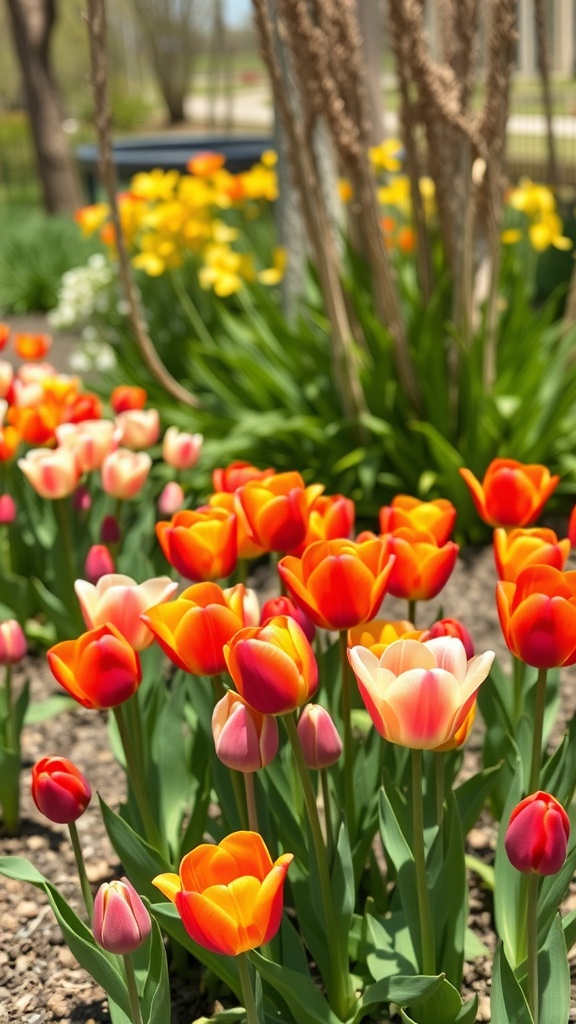
Tulips are a favorite for many gardeners, and for good reason. These vibrant flowers bring a splash of color to any garden. The image shows a stunning array of tulips in shades of red, orange, and pink, creating a cheerful scene. Their bold colors and unique shapes make them stand out, especially when they bloom in spring.
One of the best things about certain tulip varieties is their ability to return year after year. Unlike some flowers that need to be replanted, these resilient bulbs can naturalize in your garden. They multiply over time, filling your space with even more blooms each season.
When choosing tulips, look for perennial varieties. These are known to thrive and multiply, making them a great investment for your garden. With proper care, you can enjoy their beauty for many springs to come.
Daffodil Varieties That Naturalize
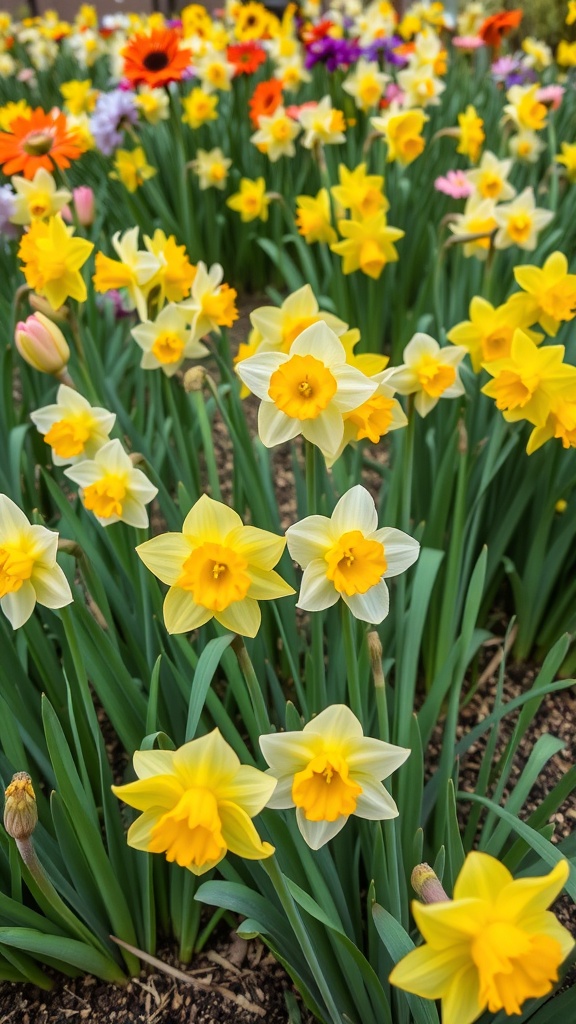
Daffodils are a cheerful addition to any garden, and some varieties are known for their ability to naturalize. This means they can multiply and spread over time, creating a stunning display year after year. The image shows a vibrant mix of daffodils in full bloom, showcasing their bright yellow and white petals. These flowers thrive in various conditions, making them a favorite among gardeners.
One popular variety is the ‘King Alfred’ daffodil. Its large, golden-yellow blooms are a classic choice and can easily multiply in the right environment. Another great option is the ‘Tete-a-Tete,’ a smaller daffodil that brings a charming touch to any garden. These hardy flowers not only brighten up the landscape but also attract pollinators, adding life to your garden.
Planting daffodils in clusters can enhance their naturalizing effect. Over time, they will create a beautiful carpet of color, making your garden a delightful sight in spring. With minimal care, these bulbs will reward you with years of beauty, making them a must-have for any garden enthusiast.
Allium Bulbs for Stunning Spring Displays
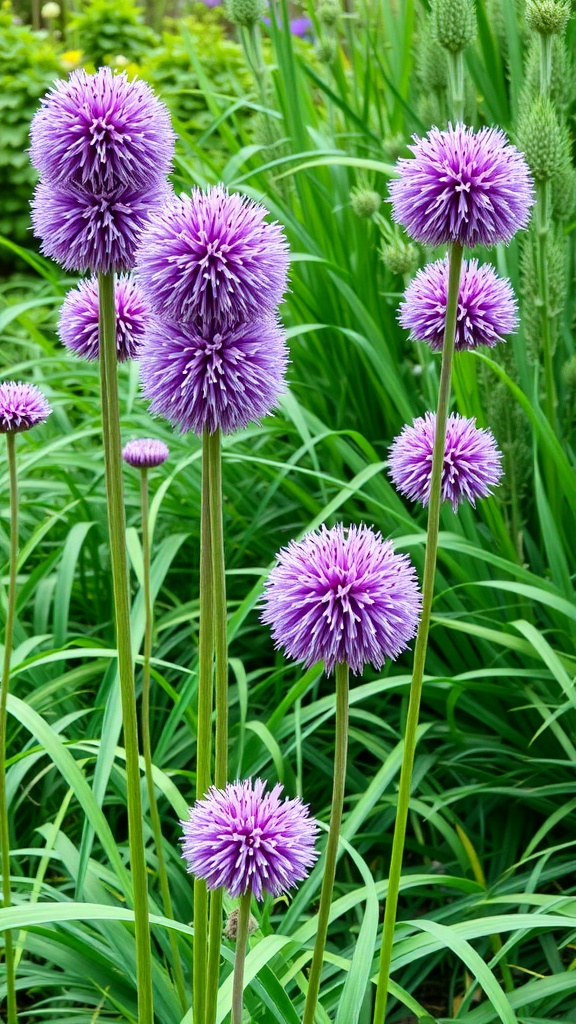
Allium bulbs are a fantastic choice for adding color and texture to your garden in spring. The image showcases beautiful purple alliums, which stand tall and proud among lush green foliage. These striking flowers are known for their globe-shaped blooms that create a stunning visual impact.
Planting allium bulbs is simple. They thrive in well-drained soil and prefer a sunny spot. Once planted, they will multiply over the years, giving you more blooms to enjoy. The vibrant purple color of these flowers can brighten up any garden space and attract pollinators like bees and butterflies.
As they bloom, alliums create a lovely contrast with other spring flowers. Their unique shape and height make them a focal point in any garden design. Whether you plant them in clusters or as standalone specimens, alliums are sure to impress.
Fritillaria: Unique Shapes and Patterns
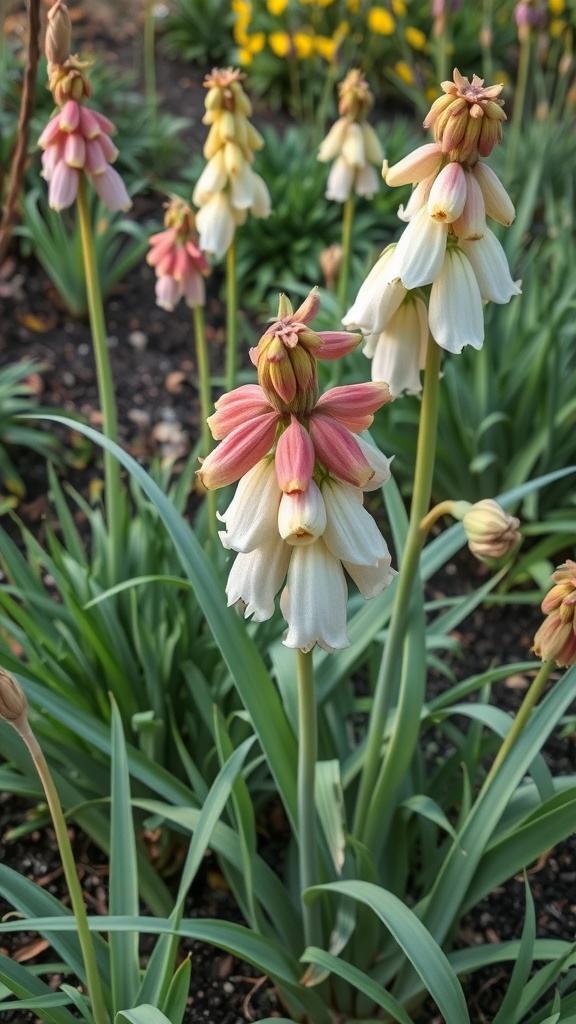
Fritillaria bulbs are a true delight in any garden. Their unique shapes and patterns make them stand out among other flowers. The image shows several Fritillaria plants with their distinctive bell-shaped blooms. The colors range from soft pinks to creamy whites, creating a lovely visual contrast.
These flowers grow tall, with slender stems that hold clusters of blooms. Each flower has a charming, nodding appearance, which adds to their appeal. The foliage is long and green, providing a lush backdrop that highlights the flowers beautifully.
Fritillaria is not just about looks; they are also known for multiplying over time. Once planted, they can create a stunning display year after year. This makes them a fantastic choice for gardeners looking to add lasting beauty to their spaces.
In addition to their visual charm, Fritillaria bulbs are relatively easy to care for. They thrive in well-drained soil and prefer a sunny spot. With the right conditions, these bulbs will reward you with their unique blooms season after season.
Narcissus: A Classic Bulb for Naturalization
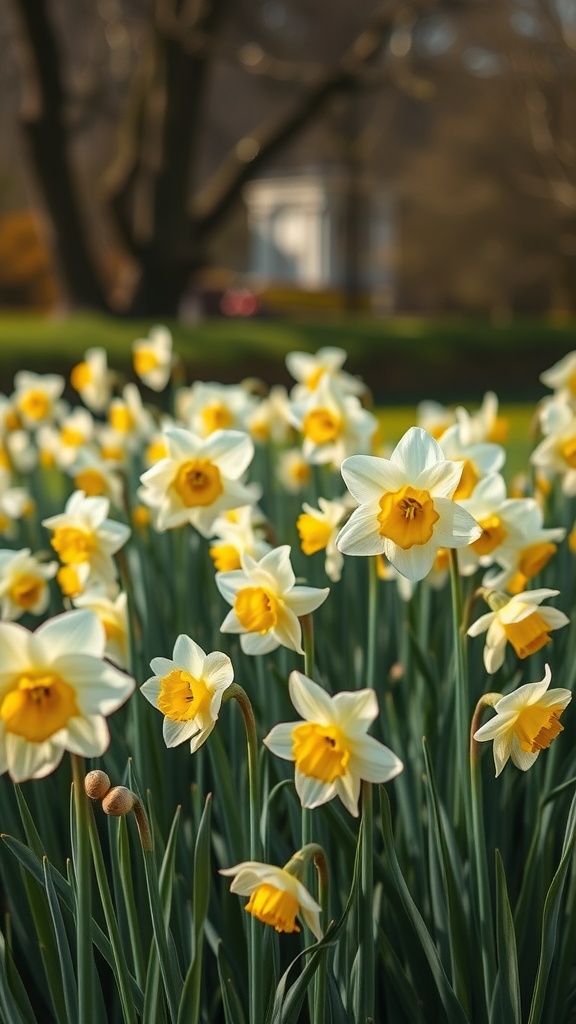
Narcissus, commonly known as daffodils, are a delightful choice for any garden. Their cheerful yellow and white blooms bring a splash of color in early spring. These bulbs are not just pretty; they multiply easily, making them perfect for naturalization.
In the image, you can see a vibrant patch of Narcissus flowers, standing tall with their sunny faces. They thrive in various conditions and can spread over time, creating a stunning display. Planting them in clusters can enhance their visual impact, allowing them to create a beautiful carpet of color.
These bulbs are also low-maintenance, which is a big plus for gardeners. Once planted, they will return year after year, often multiplying and filling your garden with more blooms. This makes them a smart choice for anyone looking to add beauty without too much effort.
Crocus: Colorful Harbingers of Spring
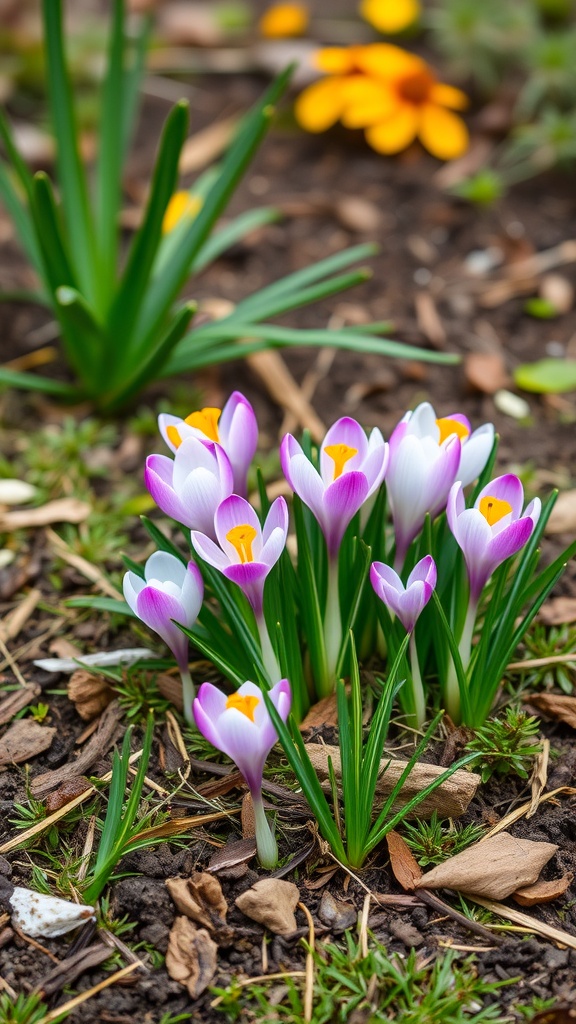
Crocuses are one of the first flowers to bloom as winter fades away. Their vibrant colors bring joy and warmth to gardens, signaling the arrival of spring. These little beauties often pop up through the last remnants of snow, reminding us that brighter days are ahead.
The image shows a cluster of crocuses, showcasing their lovely purple and white petals. Their bright yellow centers add a cheerful touch. Surrounding them are hints of other plants, creating a lively garden scene. This mix of colors and textures makes any garden feel welcoming.
Crocuses are not just pretty; they’re also easy to grow. Planting them in well-drained soil and giving them plenty of sunlight will help them thrive. Once established, they can multiply, creating a stunning display year after year.
These flowers are perfect for borders, rock gardens, or even as a pop of color in your lawn. They attract pollinators, making them a great addition to any garden ecosystem. So, if you want to brighten up your space, consider adding crocuses to your planting list!
Bluebells: A Woodland Delight
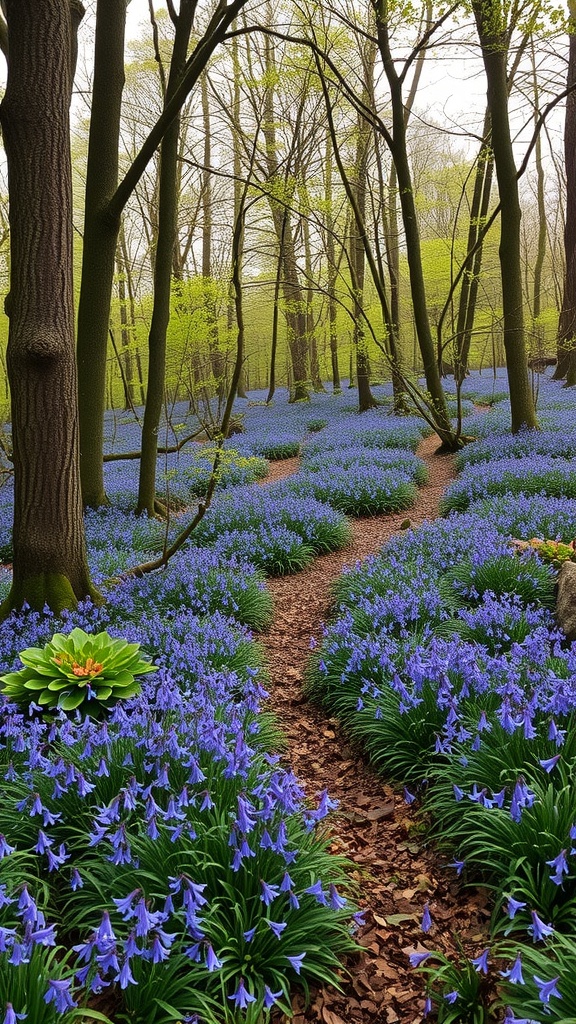
Bluebells are a true delight in any garden, especially when they spread across a woodland floor. The image captures a stunning scene where bluebells bloom in abundance, creating a sea of vibrant blue. These flowers thrive in shaded areas, making them perfect for woodlands.
The gentle curve of the path invites you to stroll through the flowers, surrounded by tall trees that provide a lovely canopy. The contrast of the blue flowers against the earthy tones of the forest floor adds to the charm. It’s a peaceful spot where nature showcases its beauty.
Bluebells are not just pretty; they multiply easily, filling your garden with their cheerful presence year after year. Planting them in clusters can create a breathtaking display that brings joy every spring.
Chionodoxa: The Glory of the Snow
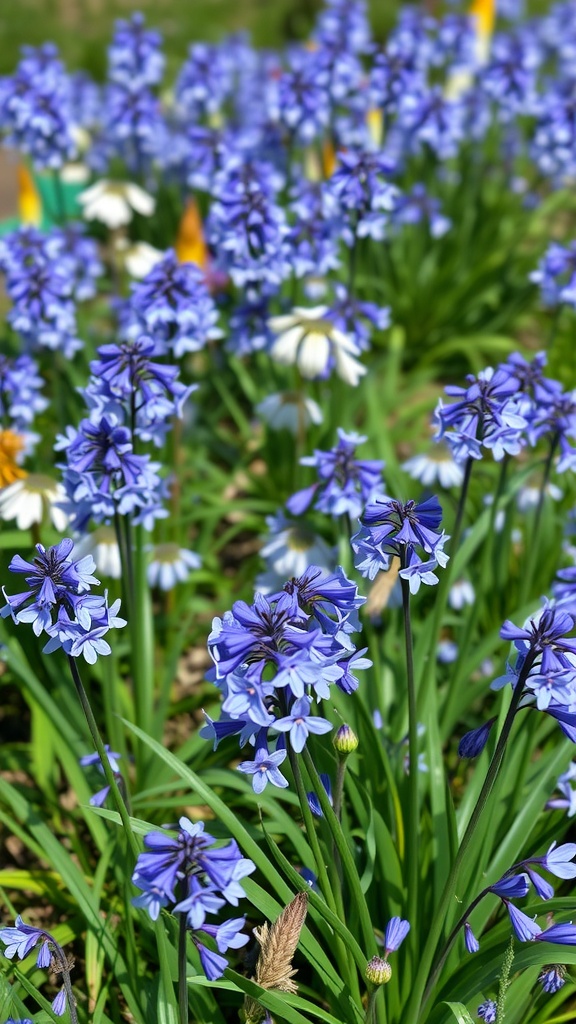
Chionodoxa, often called Glory of the Snow, is a charming little flower that brings a splash of blue to early spring gardens. These delightful blooms are known for their star-shaped petals and vibrant hues, making them a favorite among gardeners.
The image showcases a beautiful cluster of Chionodoxa flowers, their blue petals standing tall among lush green leaves. This scene captures the essence of spring, where these bulbs multiply and create a stunning display. They thrive in well-drained soil and prefer sunny spots, making them easy to grow.
As they multiply, Chionodoxa can form lovely carpets of color, perfect for brightening up any garden. They are not just pretty; they also attract pollinators, adding life to your outdoor space. If you’re looking to add some early blooms to your garden, these bulbs are a fantastic choice!
Camassia: Native Beauty in Bloom
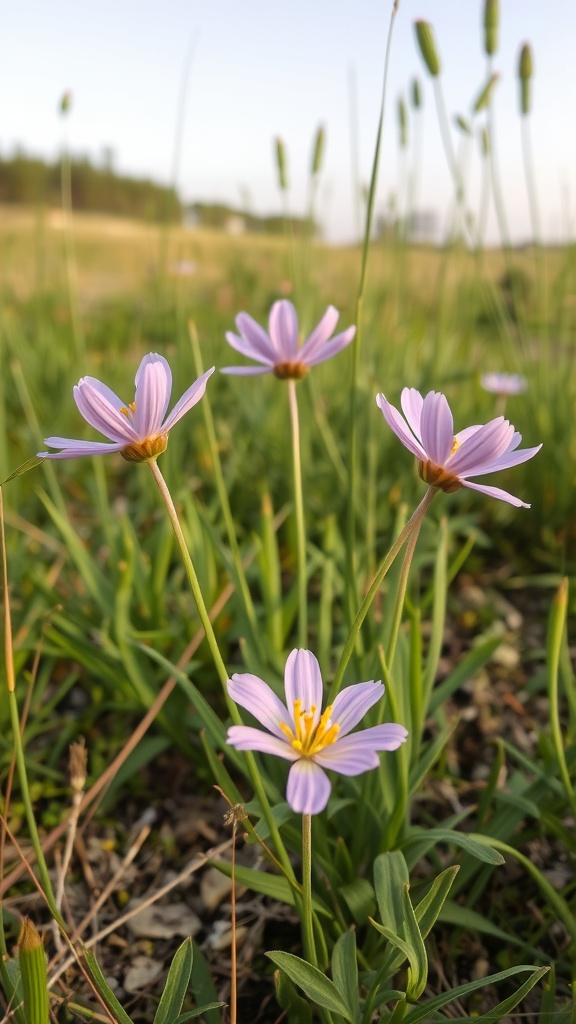
Camassia is a stunning native plant that brings a splash of color to gardens. Known for its tall, graceful spikes and star-shaped flowers, it blooms in shades of blue and white. The image shows delicate flowers standing tall among lush green grass, creating a lovely scene.
These bulbs are not just beautiful; they are also easy to grow. They thrive in well-drained soil and prefer full sun to partial shade. Once planted, they multiply over the years, making them a fantastic choice for gardeners looking to expand their floral displays.
In addition to their beauty, Camassia bulbs are great for attracting pollinators. Bees and butterflies love these blooms, adding life to your garden. Plant them in clusters for a more dramatic effect, and enjoy watching your garden come alive in spring.
Lily of the Valley: Sweetly Scented Ground Cover
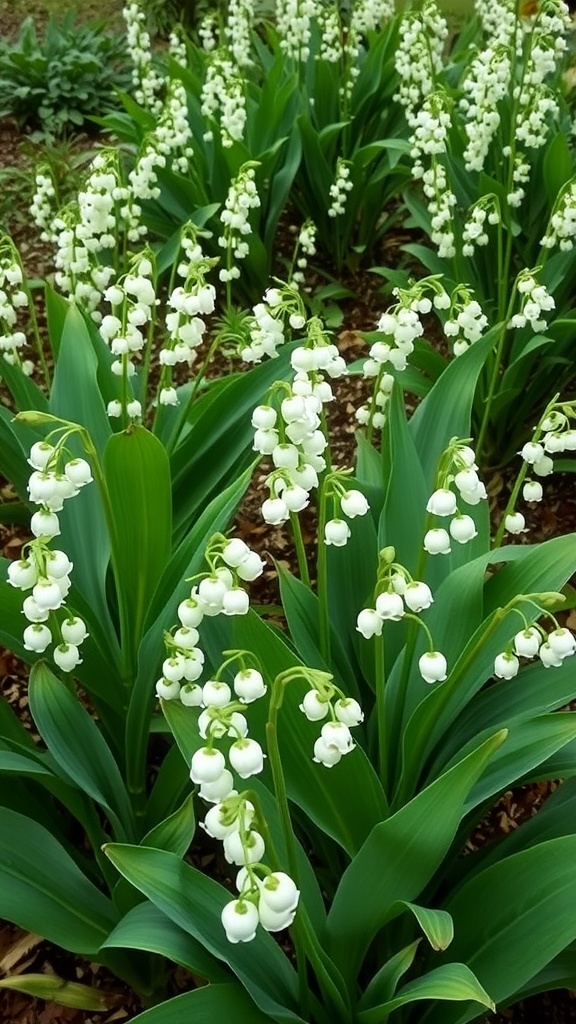
Lily of the Valley is a charming plant that brings a delightful touch to any garden. With its delicate white bell-shaped flowers, it creates a beautiful ground cover that thrives in shaded areas. The lush green leaves provide a lovely backdrop, making the flowers stand out even more.
This plant is not just pretty; it’s also known for its sweet fragrance. When in bloom, the scent can fill the air, attracting pollinators and adding to the garden’s overall appeal. It’s perfect for creating a serene atmosphere in your outdoor space.
One of the best things about Lily of the Valley is how easily it multiplies. Once planted, it can spread quickly, filling in bare spots and creating a lush carpet of greenery and blooms. This makes it a great choice for gardeners looking to cover large areas without much effort.
Just keep in mind that while it’s beautiful, Lily of the Valley is toxic if ingested. So, if you have pets or small children, it’s wise to plant it in areas that are out of reach. Overall, this plant is a wonderful addition to any garden, offering beauty, fragrance, and easy maintenance.
Woodland Anemones: Low Maintenance Multipliers
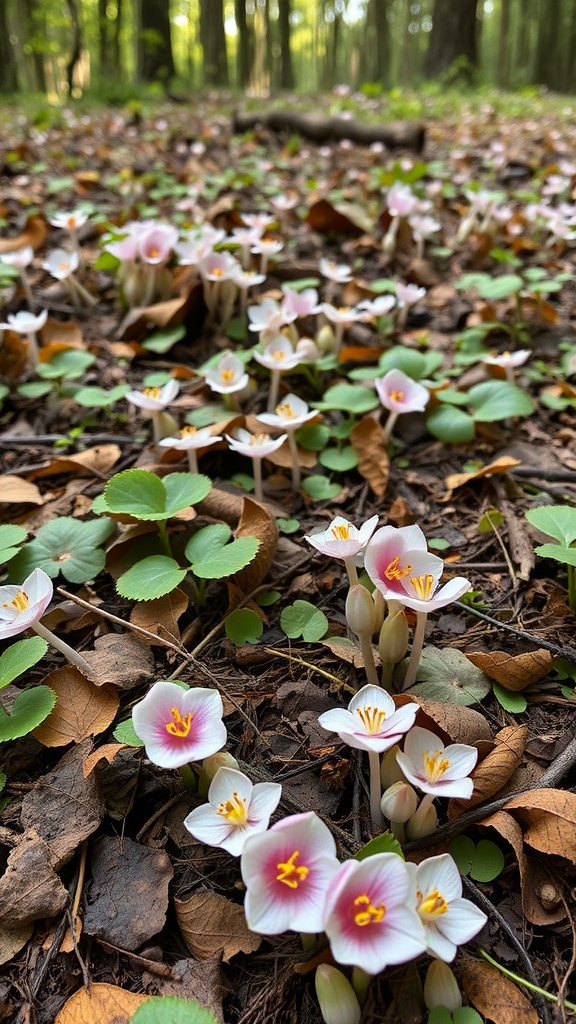
Woodland anemones are a delightful addition to any garden. These charming flowers bloom in clusters, creating a lovely carpet of color in shaded areas. The image shows a vibrant display of these blooms, surrounded by rich green leaves and fallen foliage. Their soft pink and white petals stand out beautifully against the earthy tones of the forest floor.
These plants thrive in woodland settings, making them perfect for naturalistic gardens. They multiply easily, spreading joy year after year without much effort. Just plant them in well-drained soil and watch them flourish. They require minimal care, which is great for busy gardeners.
Not only do woodland anemones brighten up your space, but they also attract pollinators. Bees and butterflies love them, adding life to your garden. Plus, their low maintenance nature means you can enjoy their beauty without constant upkeep.
Dahlia Bulbs That Multiply
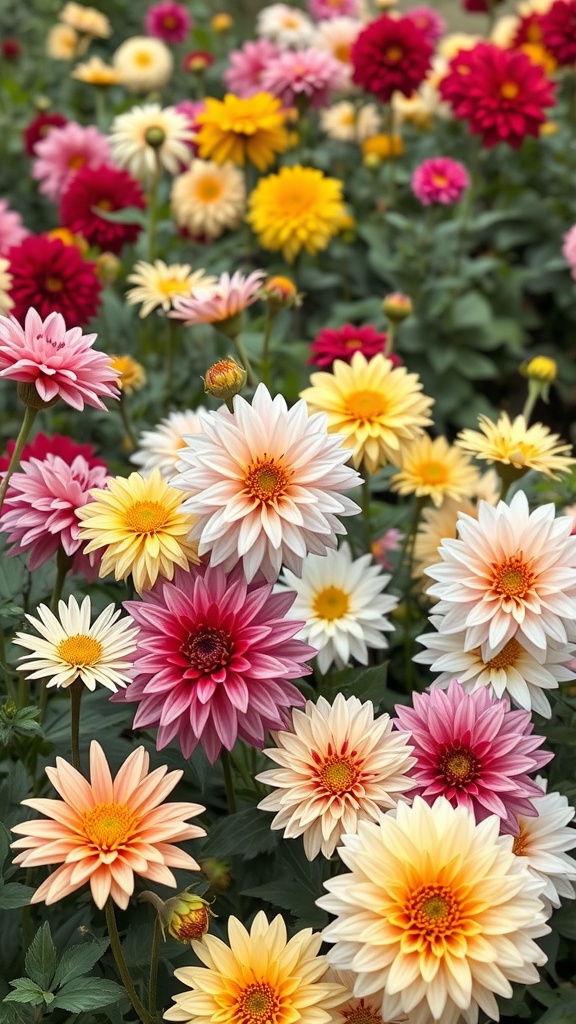
Dahlia bulbs are a fantastic choice for any garden. They bring a burst of color and charm that can brighten up any space. The image shows a vibrant display of dahlias in various shades, from soft pinks to bold reds and sunny yellows. These flowers are not just pretty; they also multiply, making them a great investment for your garden.
When you plant dahlia bulbs, you’re setting the stage for a stunning floral show. As they grow, they produce tubers underground. These tubers can be dug up and divided, allowing you to expand your garden without spending a lot. This means more flowers for you to enjoy year after year!
Taking care of dahlias is pretty simple. They thrive in sunny spots and need regular watering. With a little attention, you’ll be rewarded with a garden full of beautiful blooms. Plus, they make excellent cut flowers for arrangements, bringing the beauty of your garden indoors.
Gladiolus: Tall and Striking Blooms
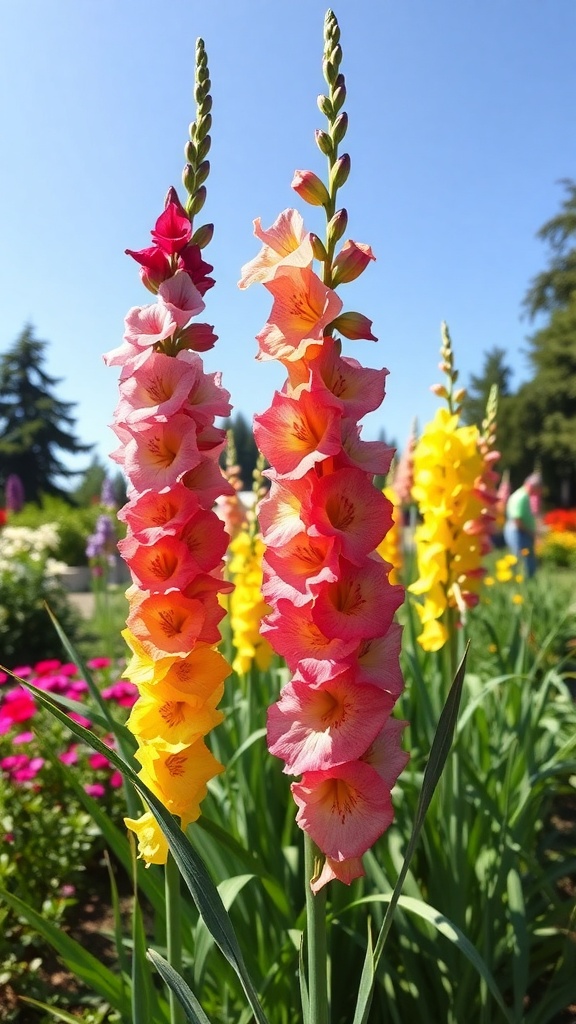
Gladiolus flowers are a stunning addition to any garden. Their tall, elegant spikes create a dramatic effect, making them a favorite among gardeners. The image shows vibrant gladiolus blooms in shades of pink, orange, and yellow, standing tall against a clear blue sky.
These flowers are not just beautiful; they are also easy to grow. Gladiolus bulbs multiply, giving you more blooms each season. Plant them in well-drained soil and ensure they get plenty of sunlight for the best results. They thrive in warm weather, making summer the perfect time for them to shine.
When in full bloom, gladiolus can reach impressive heights, often towering over other garden plants. Their unique shape and colorful petals attract butterflies and bees, adding life to your garden. Whether used in bouquets or as a focal point in your flower beds, these striking blooms are sure to impress.
Siberian Squill: A Charming Ground Cover
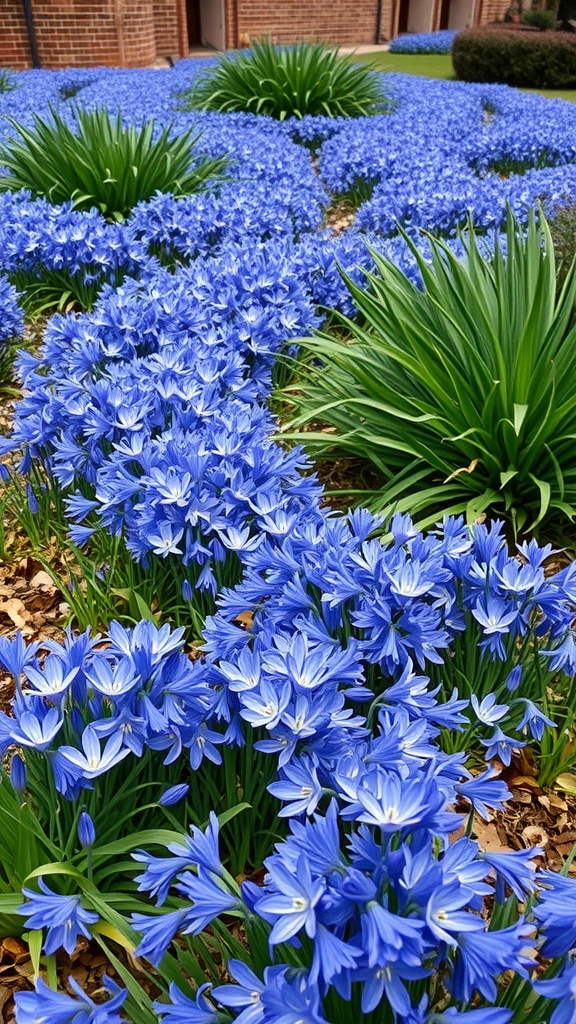
Siberian squill, with its stunning blue flowers, creates a beautiful carpet of color in any garden. These little blooms are perfect for adding charm and vibrancy to your landscape. They multiply easily, making them a fantastic choice for ground cover.
In the image, you can see clusters of these lovely blue flowers, surrounded by lush green leaves. This combination not only looks appealing but also helps to suppress weeds. The flowers bloom in early spring, bringing a burst of color after the winter months.
Planting Siberian squill is simple. Just scatter the bulbs in a sunny or partially shaded area, and watch them flourish. They thrive in various soil types, making them adaptable to different garden conditions. Once established, they will spread over time, creating a lovely sea of blue.
These flowers are not just pretty; they are also low-maintenance. They require little care, making them ideal for busy gardeners. With their ability to multiply, Siberian squill will continue to brighten your garden year after year.
Tulip Trees: A Unique Addition
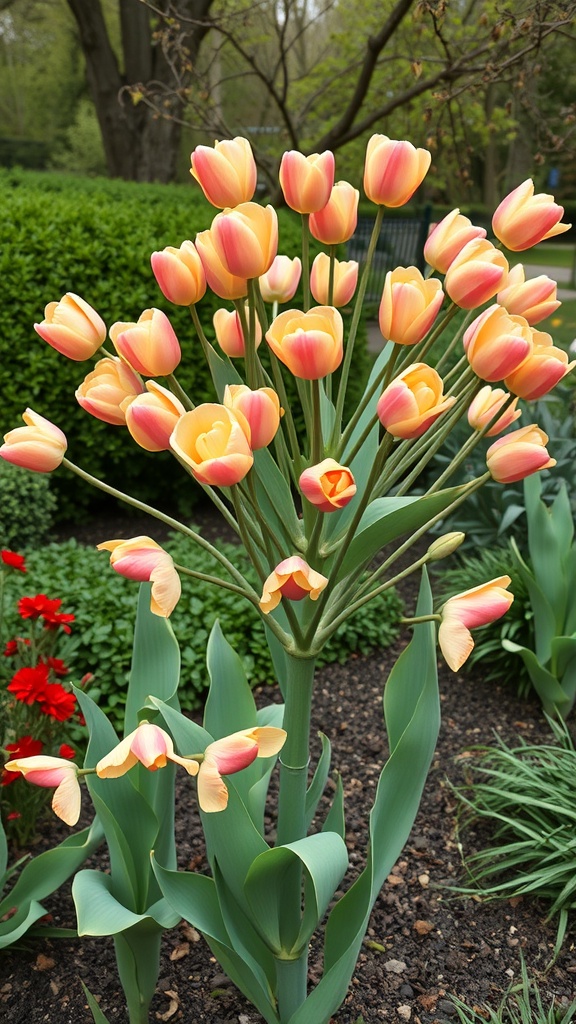
Tulip trees are a stunning choice for any garden. They bring a burst of color and charm that can brighten up any space. The image showcases a beautiful cluster of tulips, with their soft orange and pink hues creating a lovely visual appeal. These flowers are not just pretty; they can multiply over time, making them a great investment for your garden.
When you plant tulip bulbs, you can expect them to return year after year. They thrive in well-drained soil and prefer sunny spots. This makes them easy to care for, even for those who are new to gardening. The vibrant blooms attract pollinators, adding life to your garden.
Incorporating tulip trees into your landscape can create a stunning focal point. Their tall, elegant stems and vibrant flowers stand out beautifully against the green backdrop. Whether in a flower bed or as part of a mixed border, they add a touch of elegance and cheerfulness.
So, if you’re looking to enhance your garden with flowers that multiply and bring joy, consider adding tulip trees. They are sure to make your outdoor space more inviting and colorful.
Iris Bulbs for Colorful Borders
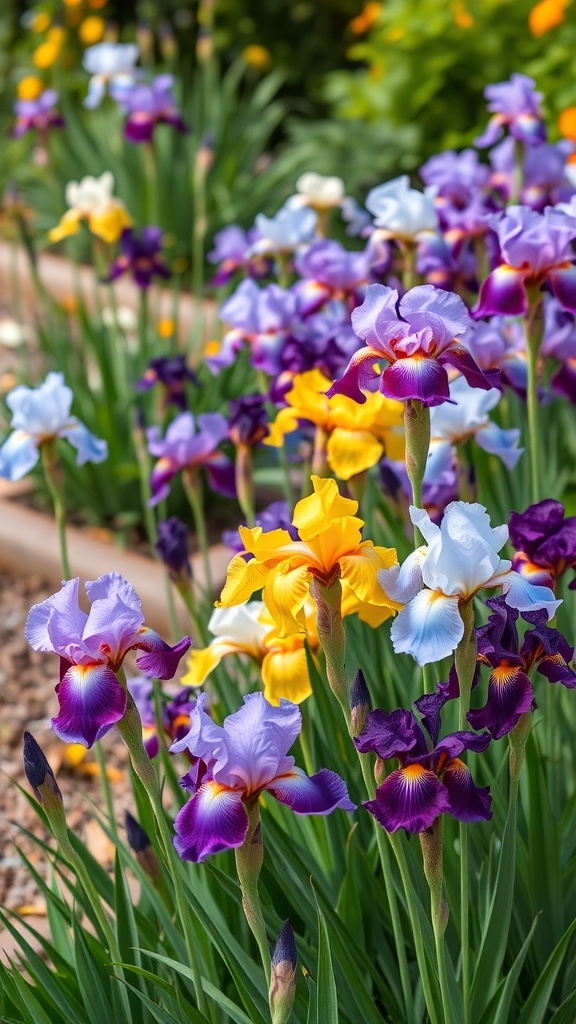
Iris bulbs are a fantastic choice for adding vibrant colors to your garden borders. Their striking blooms come in a variety of shades, including purple, yellow, and blue, creating a lively display that catches the eye. Each flower has unique patterns and shapes, making them a delightful addition to any landscape.
These bulbs are not just pretty; they are also hardy and easy to grow. Planting them in well-drained soil and giving them plenty of sunlight will ensure they thrive. Once established, iris bulbs multiply over time, providing even more blooms for your garden.
Consider grouping different colors together for a stunning effect. The contrast of deep purples against bright yellows can create a beautiful visual impact. Whether you’re looking to enhance a flower bed or create a border along a pathway, irises are sure to impress.
Butterfly Lilies: Attracting Pollinators
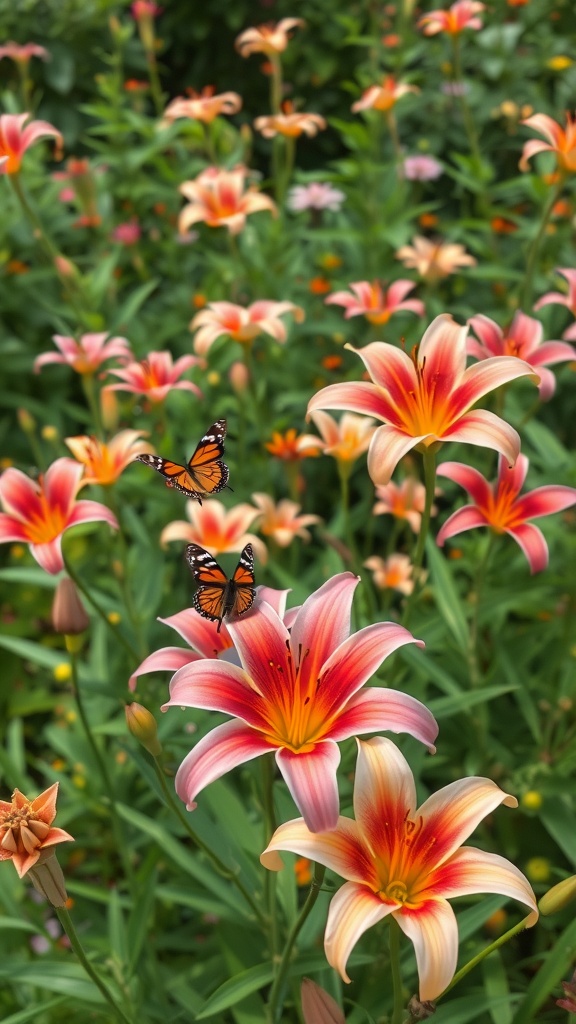
Butterfly lilies are a stunning addition to any garden. Their vibrant colors draw in not just the eye, but also delightful pollinators like butterflies. In the image, you can see beautiful butterfly lilies blooming, with butterflies fluttering around them. This scene is a perfect example of how these flowers can create a lively atmosphere in your garden.
These lilies are not just pretty; they play a vital role in attracting pollinators. When you plant butterfly lilies, you invite butterflies and bees to visit. This helps with pollination, which is essential for many plants. The bright colors and sweet fragrance of the flowers make them irresistible to these helpful creatures.
Creating a garden filled with butterfly lilies can be a rewarding experience. You’ll enjoy watching butterflies dance from flower to flower while knowing you’re supporting local ecosystems. Plus, the sight of these beautiful blooms can brighten up any space, making your garden a true haven for nature.
Tuberose: Scented Night Bloomer
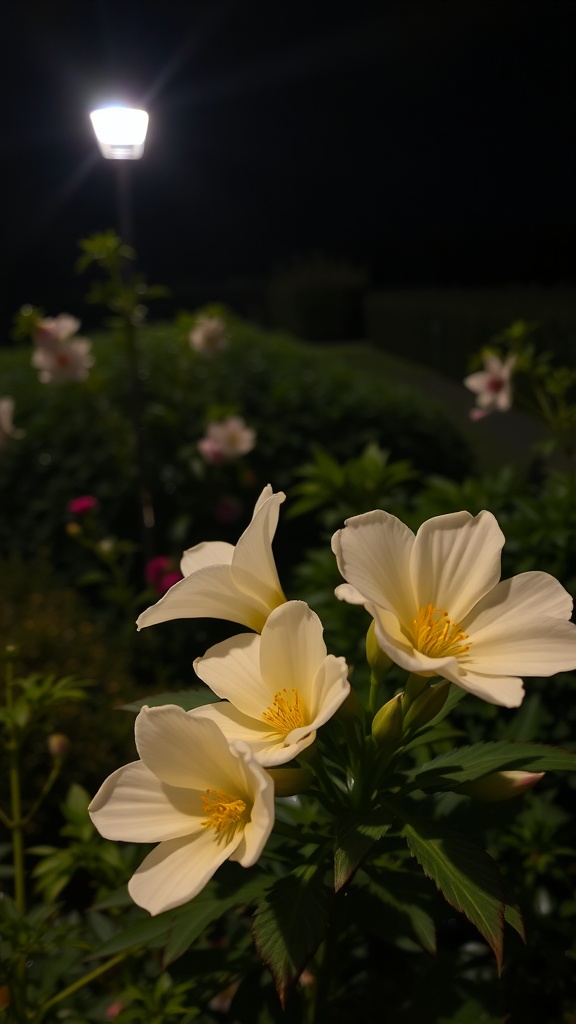
Tuberose is a stunning flower that blooms at night, filling the air with its sweet fragrance. The image shows beautiful white flowers with bright yellow centers, illuminated softly by a nearby lamp. This creates a magical atmosphere in the garden.
These flowers are not just pretty; they are known for their strong scent, which makes them popular in perfumes and aromatherapy. Planting tuberose bulbs can transform your garden into a nighttime paradise, attracting not only your attention but also pollinators like moths.
Growing tuberose is quite easy. They thrive in well-drained soil and need plenty of sunlight during the day. Once they start blooming, you can enjoy their delightful fragrance in the evenings, making your garden a perfect spot for relaxation.
Perennial Peonies: Multiplying Beauty
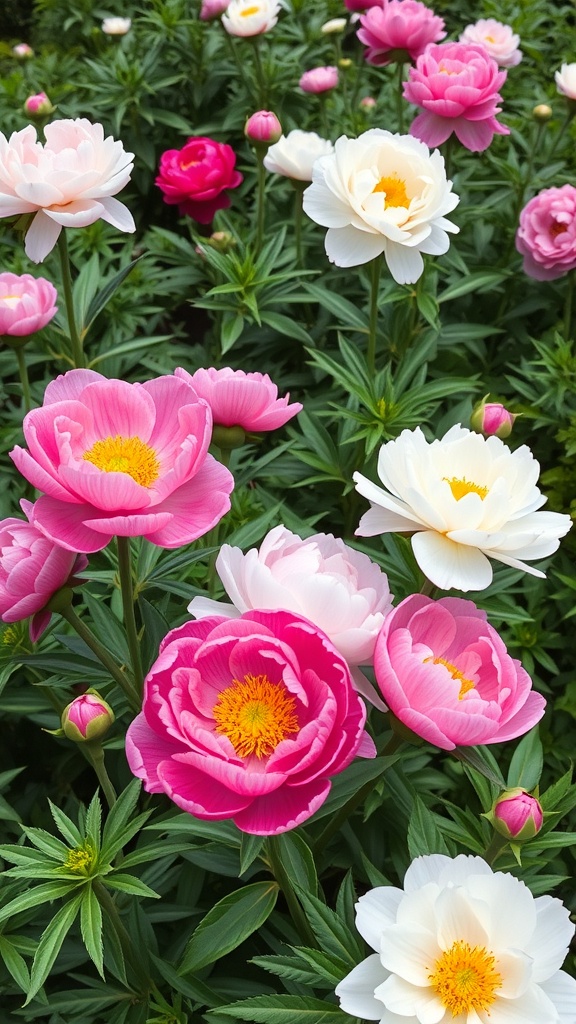
Peonies are a stunning addition to any garden, known for their large, colorful blooms. In the image, you can see a vibrant mix of pink and white peonies, each showcasing their lush petals and bright yellow centers. These flowers not only bring beauty but also multiply over time, making them a favorite among gardeners.
When planted, peonies can thrive for many years, often growing larger and more robust with each passing season. They spread through underground roots, creating a fuller display year after year. This natural multiplication means you can enjoy a breathtaking floral show without needing to replant every spring.
To care for peonies, ensure they have well-drained soil and plenty of sunlight. Regular watering helps them flourish, especially during dry spells. With minimal effort, you can cultivate a garden filled with these magnificent blooms that will brighten your space and attract pollinators.
Freesia: Fragrant Bulbs for Multiplying
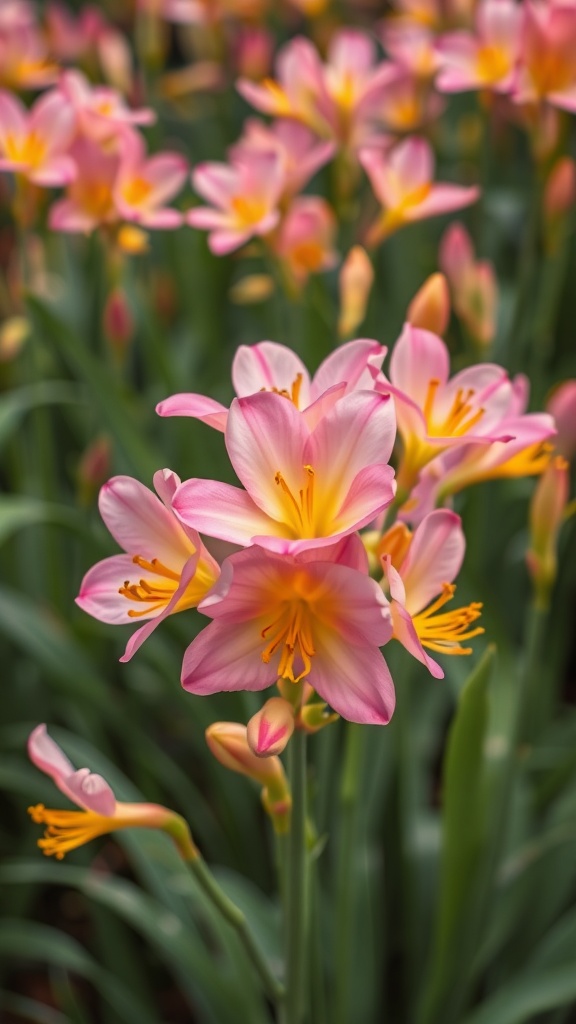
Freesias are a delightful addition to any garden. Their vibrant colors and sweet fragrance make them a favorite among flower lovers. The image showcases a beautiful cluster of freesia blooms, with shades of pink and hints of yellow. These flowers not only look stunning but also have a lovely scent that can fill your garden with joy.
One of the best things about freesia bulbs is their ability to multiply. When planted in the right conditions, they can produce more bulbs over time. This means you can enjoy even more blooms in your garden without needing to buy new bulbs every year. Just plant them in well-drained soil and give them plenty of sunlight, and you’ll see them thrive.
Freesias are perfect for creating colorful borders or filling in gaps in your garden. They also work well in pots, making them versatile for any space. Plus, their fragrant flowers make them a great choice for cutting and bringing indoors. Imagine having a bouquet of fresh freesias on your kitchen table!
Starflower: A Unique Addition to Gardens
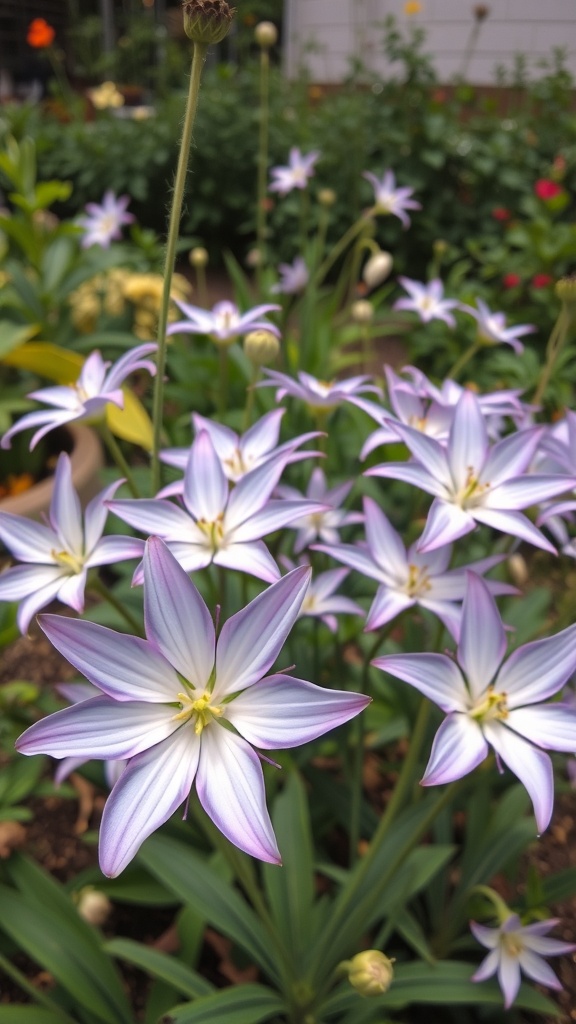
Starflowers are a delightful sight in any garden. Their striking petals, with a mix of white and lavender hues, catch the eye and add a touch of elegance. These flowers bloom in clusters, creating a cheerful display that brightens up the landscape.
What makes starflowers special is their ability to multiply. Once planted, they can spread and fill your garden with more blooms each year. This means less work for you and more beauty in your outdoor space.
They thrive in well-drained soil and enjoy a sunny spot. This makes them easy to care for, even for beginner gardeners. Plus, they attract pollinators like bees and butterflies, making your garden a lively place.
Incorporating starflowers into your garden design can create a stunning visual impact. They work well in borders, rock gardens, or even in pots on your patio. Their unique shape and color will surely impress anyone who visits.
Ranunculus: Colorful and Charming
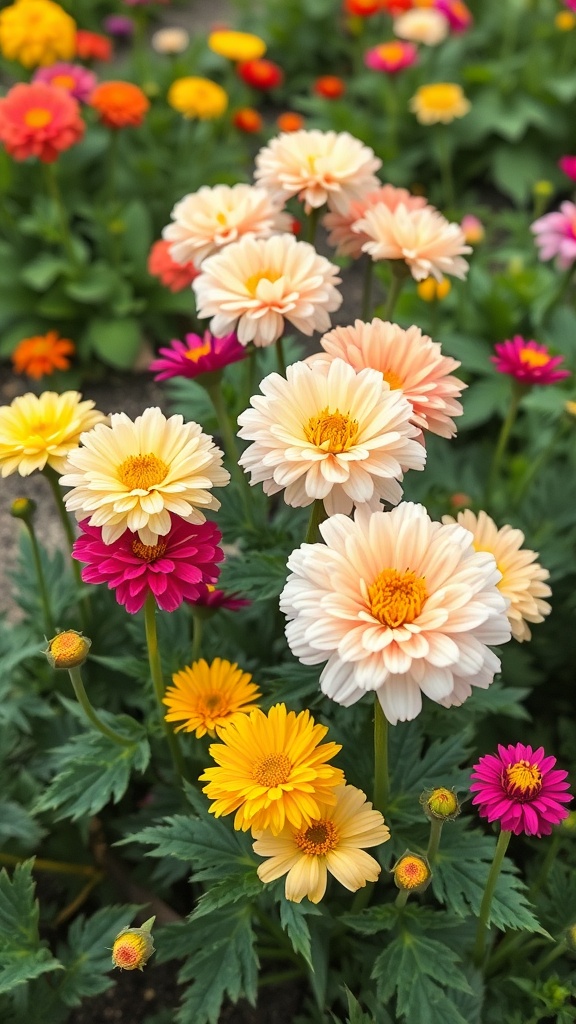
Ranunculus flowers are a true delight for any garden. Their vibrant colors and unique shapes make them stand out. You can find them in shades of pink, yellow, orange, and white, creating a lively display.
These flowers are not just pretty; they are also easy to grow. Plant them in well-drained soil and provide some sunlight, and they will thrive. They multiply over time, giving you even more blooms to enjoy.
In the image, you can see a beautiful mix of ranunculus flowers. Their soft petals and cheerful colors bring joy to any space. Whether in a garden bed or a bouquet, they add charm and character.
Consider adding ranunculus to your garden for a splash of color. They are perfect for borders, containers, or even as cut flowers for your home. With their ability to multiply, you’ll have a stunning display year after year!
Daylilies: Easy Care Multipliers
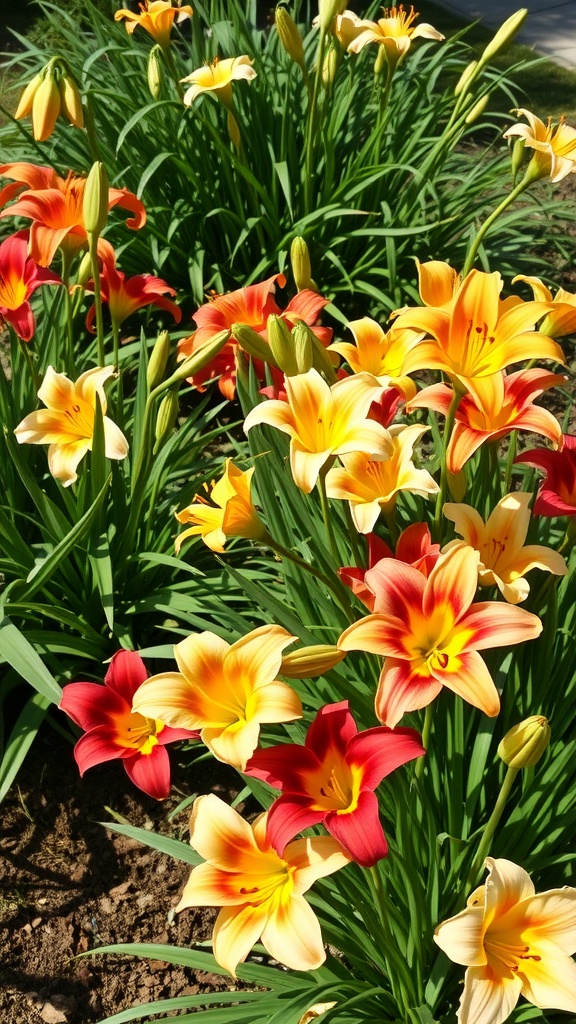
Daylilies are a fantastic choice for any garden. They bloom in a variety of colors, bringing vibrant life to your outdoor space. The image showcases a mix of yellow and red daylilies, creating a cheerful display. These flowers are not just pretty; they are also known for their ability to multiply with minimal care.
Planting daylilies is simple. They thrive in various soil types and can handle different light conditions. Once established, they will spread and fill your garden with beautiful blooms year after year. This makes them a favorite among gardeners looking for low-maintenance options.
One of the best parts about daylilies is their resilience. They can survive in drought conditions and still produce stunning flowers. This means you can enjoy their beauty without worrying too much about watering. Plus, they attract pollinators, which is great for your garden’s ecosystem.
Golden Star: A Unique Ground Cover
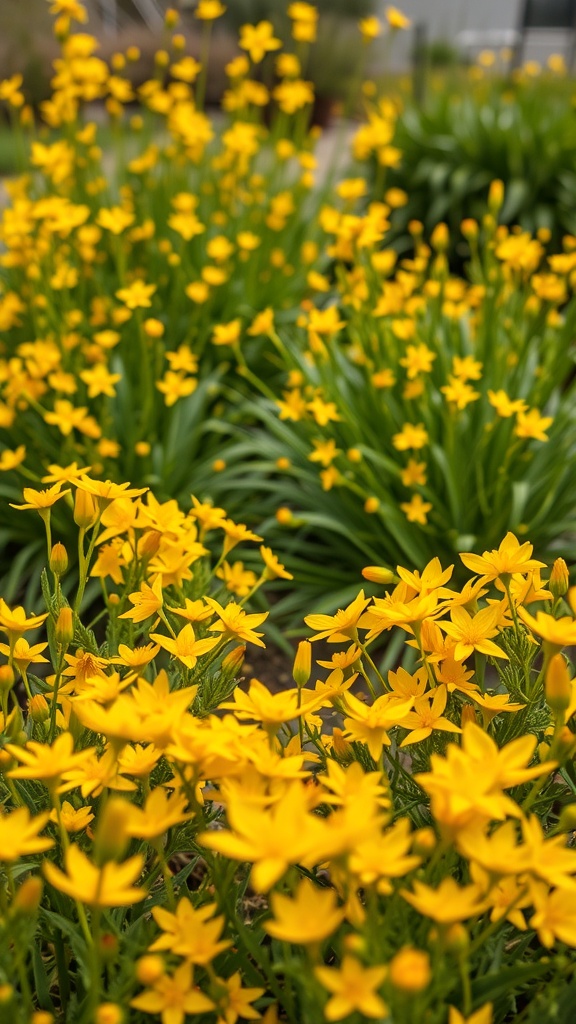
Golden Star, with its bright yellow flowers, is a fantastic choice for ground cover. These cheerful blooms create a stunning visual impact in any garden. They spread easily, filling empty spaces with vibrant color.
This plant thrives in various conditions, making it adaptable for different garden settings. Whether in full sun or partial shade, Golden Star will flourish, bringing joy to your outdoor space.
Not only does it look beautiful, but it also attracts pollinators like bees and butterflies. This makes it a great addition for those looking to support local wildlife while enhancing their garden’s beauty.
With minimal maintenance, Golden Star is perfect for gardeners who want a low-effort yet stunning ground cover. Just a little water and occasional trimming will keep it looking its best.
Society Garlic: Fragrant and Multiplying
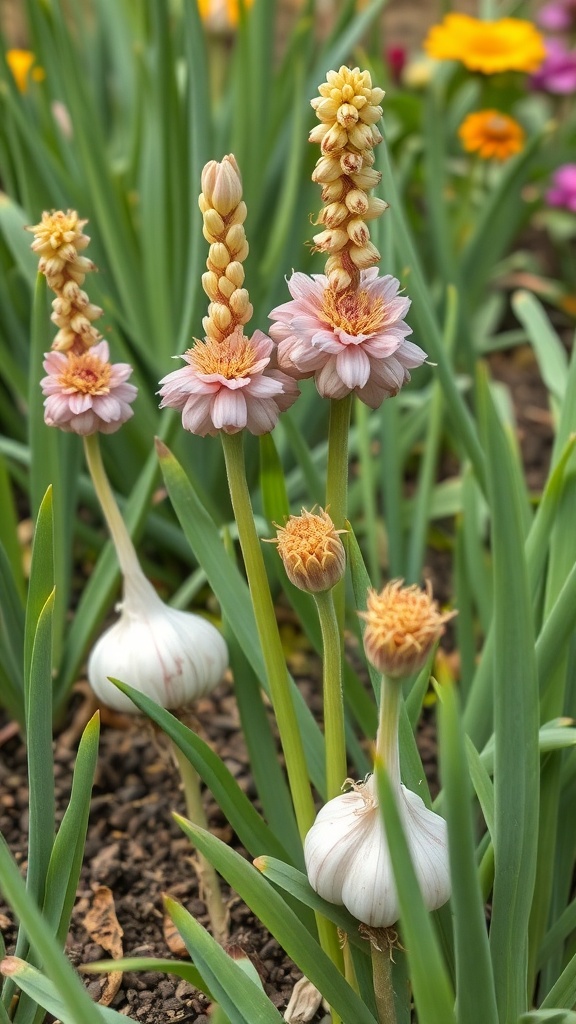
Society Garlic is a delightful addition to any garden. Its unique flowers and fragrant leaves make it stand out. In the image, you can see the tall, slender stems topped with clusters of pink flowers. These blooms not only look beautiful but also attract pollinators like bees and butterflies.
This plant is known for its ability to multiply. Once planted, it will spread over time, filling your garden with its lovely presence. The bulbs can produce new shoots, making it easy to expand your garden without much effort.
Besides its visual appeal, Society Garlic has a mild garlic scent. This can be a great natural pest deterrent, helping to keep unwanted insects away. Plus, the leaves are edible and can add a subtle garlic flavor to your dishes.
Overall, Society Garlic is a fantastic choice for gardeners looking for a fragrant, low-maintenance plant that brings beauty and utility to their outdoor spaces.
Tigridia: Uncommon Beauty in Bloom
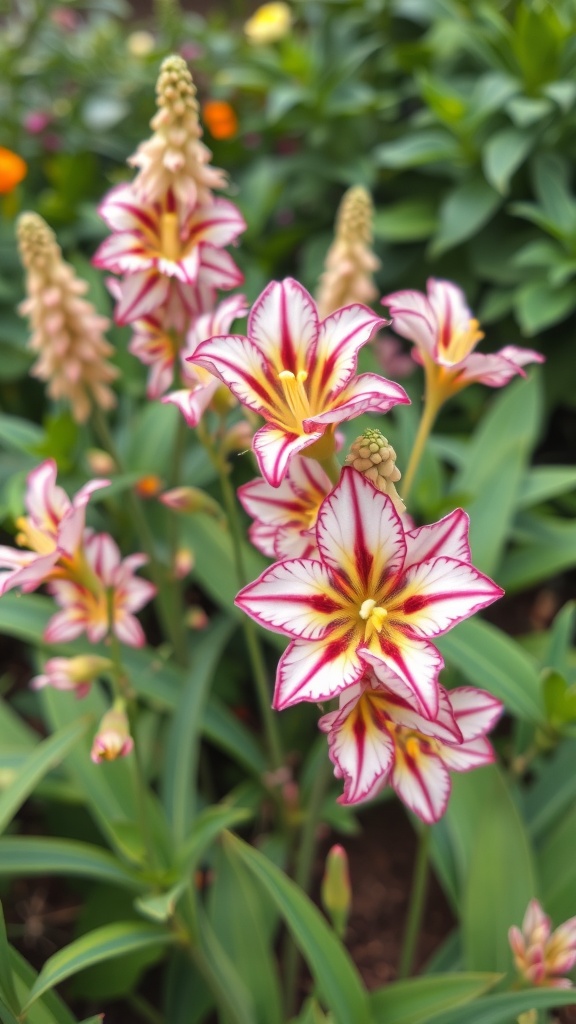
Tigridia, often called the tiger flower, brings a unique charm to any garden. These stunning blooms are known for their striking patterns and vibrant colors. The image showcases Tigridia flowers with bold pink and white stripes, creating a delightful contrast against the lush green foliage.
These flowers bloom in summer and can last only a day, making each appearance special. Their short-lived beauty encourages gardeners to appreciate the moment. Tigridia bulbs multiply over time, giving you more flowers to enjoy year after year.
Planting Tigridia is simple. They thrive in well-drained soil and prefer full sun. With a little care, you can watch your garden transform into a colorful display. These flowers are not just pretty; they also attract pollinators, adding life to your outdoor space.
Canna Lilies: Tropical Vibes in Gardens
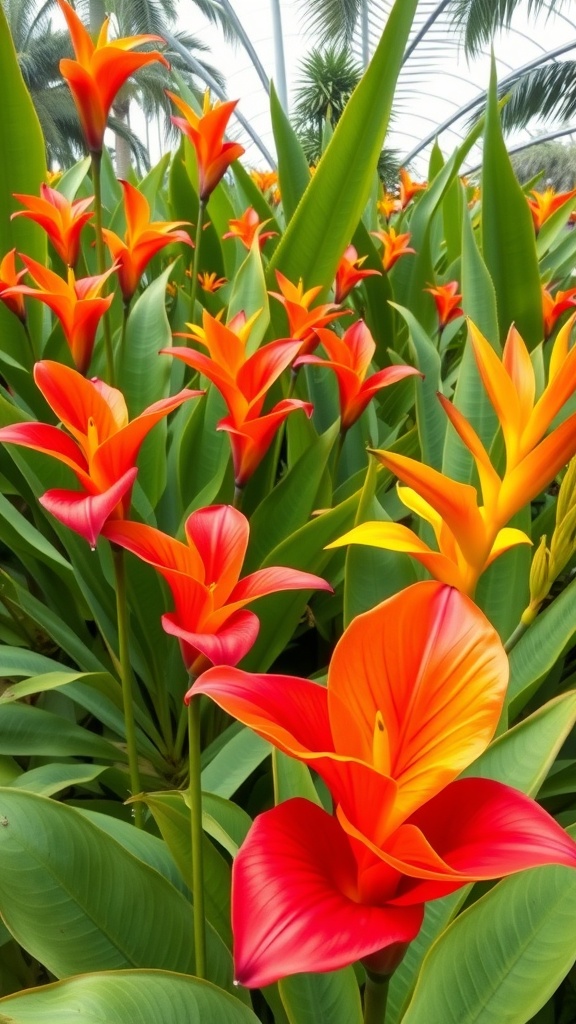
Canna lilies bring a burst of color and a tropical feel to any garden. Their vibrant orange and red blooms stand tall among lush green leaves, creating a stunning visual display. These flowers are not just pretty; they are also easy to grow and multiply over time, making them a favorite among gardeners.
In the image, you can see canna lilies in full bloom, showcasing their unique shape and bright colors. The tall, broad leaves provide a perfect backdrop for the flowers, enhancing their beauty. This combination of foliage and flowers creates a lively atmosphere, perfect for any garden setting.
Planting canna lilies is simple. They thrive in sunny spots and can tolerate a variety of soil types. With proper care, they will multiply, giving you more blooms each year. Whether you want to create a tropical oasis or add a splash of color to your landscape, canna lilies are a fantastic choice.
Hymenocallis: Exotic and Striking
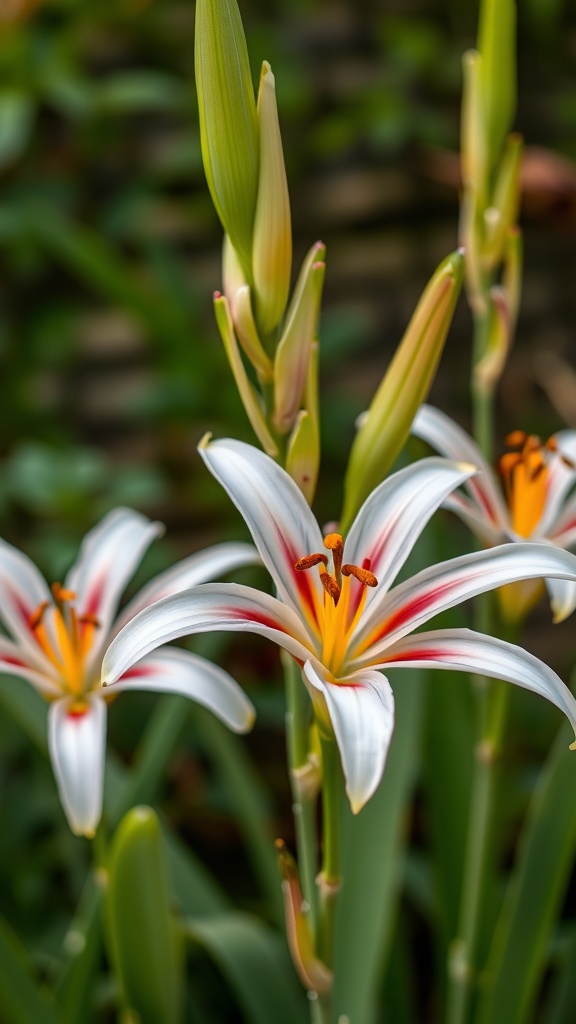
Hymenocallis, commonly known as spider lilies, are truly a sight to behold. Their unique shape and striking colors make them stand out in any garden. The flowers often feature long, slender petals that curve elegantly, giving them a whimsical appearance.
In the image, you can see the beautiful white petals with hints of red and a bright yellow center. This combination creates a vibrant display that can brighten up any space. The lush green leaves provide a perfect backdrop, allowing the flowers to shine.
These bulbs are not just pretty; they multiply over time, making them a fantastic addition to your garden. Once planted, they can spread and create a stunning cluster of blooms year after year. If you’re looking to add a touch of the exotic to your garden, Hymenocallis is a wonderful choice.
Colchicum: Autumn Blooms for Gardens
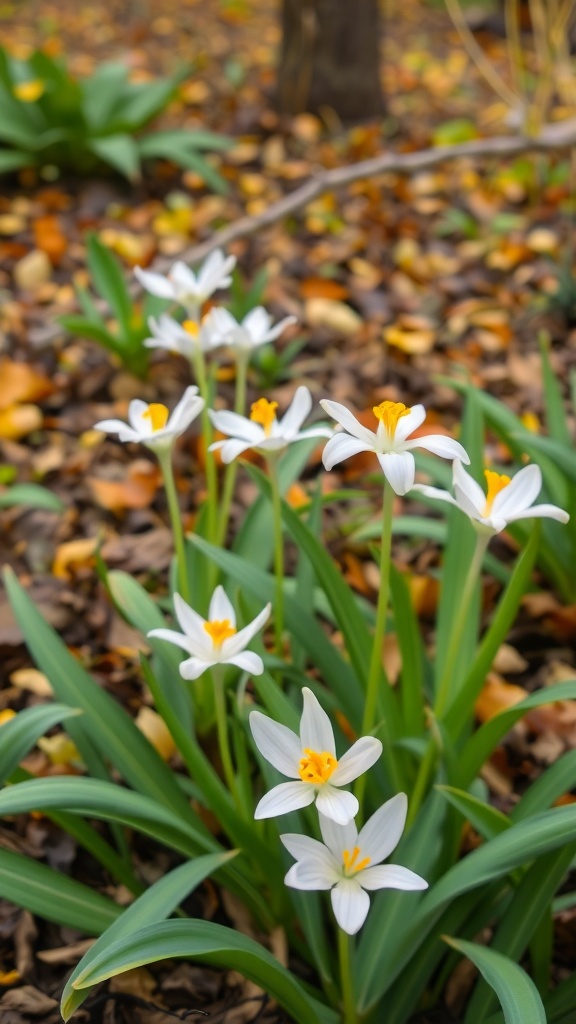
Colchicum, often called autumn crocus, brings a delightful surprise to gardens as the leaves start to fall. These charming flowers bloom in the cooler months, adding a splash of color when many other plants are winding down for winter.
The image shows a cluster of white Colchicum flowers, each with a bright yellow center. They stand out beautifully against the backdrop of fallen leaves, showcasing their resilience and beauty. The contrast of the white petals against the earthy tones of autumn creates a stunning visual.
These bulbs multiply over time, making them a great choice for gardeners looking to expand their floral display without much effort. Once planted, they will return year after year, often spreading to create a lovely carpet of blooms.
Colchicum is not just pretty; it’s also low-maintenance. They thrive in well-drained soil and prefer a sunny spot. This makes them perfect for busy gardeners who want to enjoy vibrant autumn blooms without a lot of fuss.
Zephyranthes: Rain Lilies for Colorful Gardens
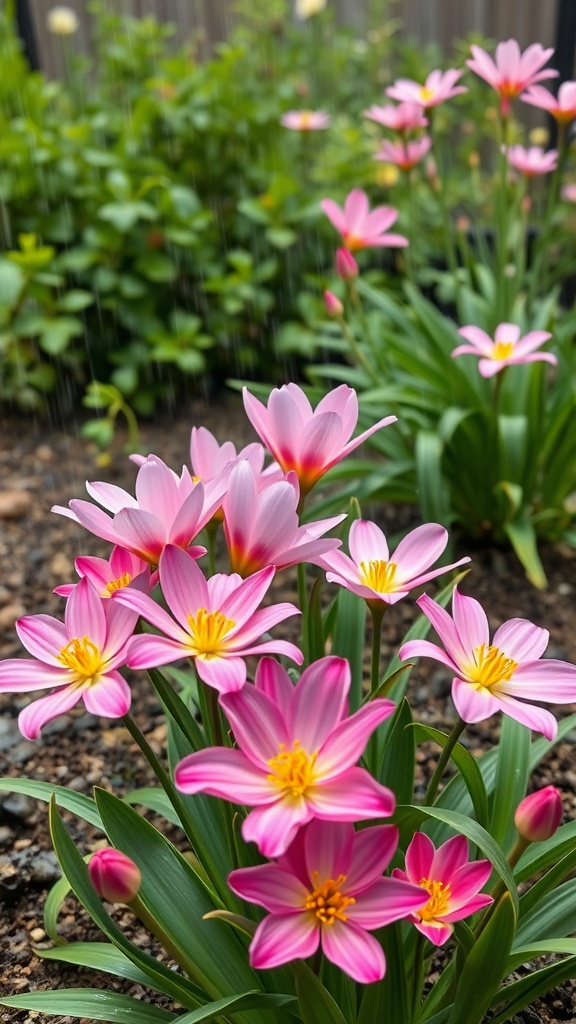
Zephyranthes, commonly known as rain lilies, are a delightful addition to any garden. These charming flowers bloom in vibrant shades of pink, as shown in the image. Their bright petals and cheerful yellow centers create a stunning visual that can brighten up any space.
These bulbs thrive in well-drained soil and love a sunny spot. They are perfect for gardeners looking for low-maintenance plants that multiply over time. Once established, rain lilies will return year after year, bringing bursts of color to your garden with minimal effort.
In addition to their beauty, rain lilies are resilient. They can handle dry spells and will often bloom after a rain, hence their name. This makes them a great choice for those who want a colorful garden without constant upkeep.
Planting rain lilies is simple. Just place the bulbs a few inches deep in the soil, water them well, and watch them grow. With the right care, you’ll have a lovely display of flowers that will multiply and spread joy in your garden.
Scilla: Charming Blue Bulbs for Gardens
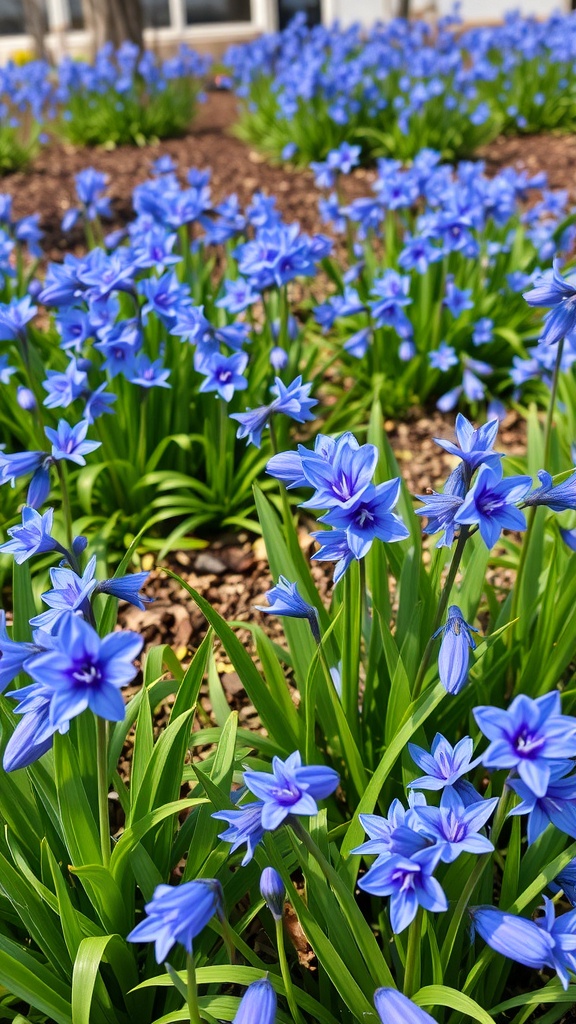
Scilla, often known as squill, brings a delightful splash of blue to any garden. These charming bulbs bloom in early spring, creating a stunning display that can brighten up even the dullest days. Their star-shaped flowers stand tall above lush green leaves, making them a favorite among gardeners.
These bulbs are not just pretty; they also multiply over time. Once planted, they can spread and fill your garden with more of their lovely blue blooms. This makes them a great choice for naturalizing in borders or under trees. Plus, they require minimal care, making them perfect for both novice and experienced gardeners.
When planting Scilla, choose a sunny or partially shaded spot. They thrive in well-drained soil, so ensure the area isn’t too wet. After planting, you can sit back and enjoy the show as they bloom year after year, bringing joy and color to your outdoor space.
Liatris: Vertical Interest in Flower Beds
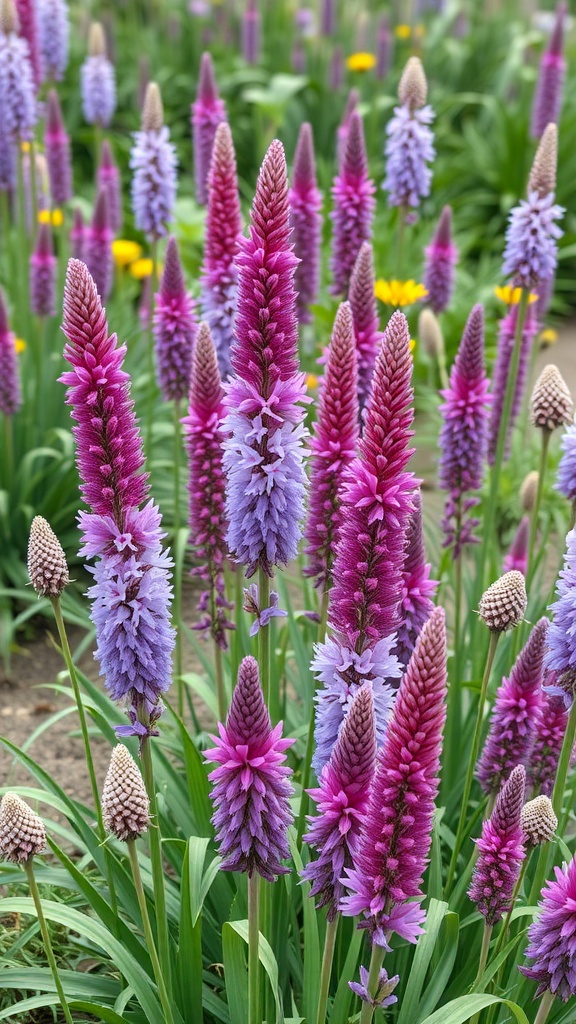
Liatris, often known as blazing star or gayfeather, brings a unique vertical interest to any flower bed. The tall, spiky blooms stand proudly, creating an eye-catching display. In the image, you can see clusters of Liatris flowers in vibrant shades of purple and pink, surrounded by lush green foliage. This striking color combination adds a lively touch to garden spaces.
These flowers are not just pretty; they are also hardy and easy to grow. Liatris thrives in sunny spots and well-drained soil, making them a great choice for gardeners of all skill levels. They attract pollinators like butterflies and bees, enhancing the garden’s ecosystem.
When planted in groups, Liatris creates a stunning focal point. Their tall stature contrasts beautifully with shorter plants, adding depth and dimension to flower beds. Plus, they multiply over time, giving you more blooms to enjoy each season. If you’re looking to add some vertical flair to your garden, Liatris is a fantastic option!
Triteleia: Starry Flowers for Bright Gardens
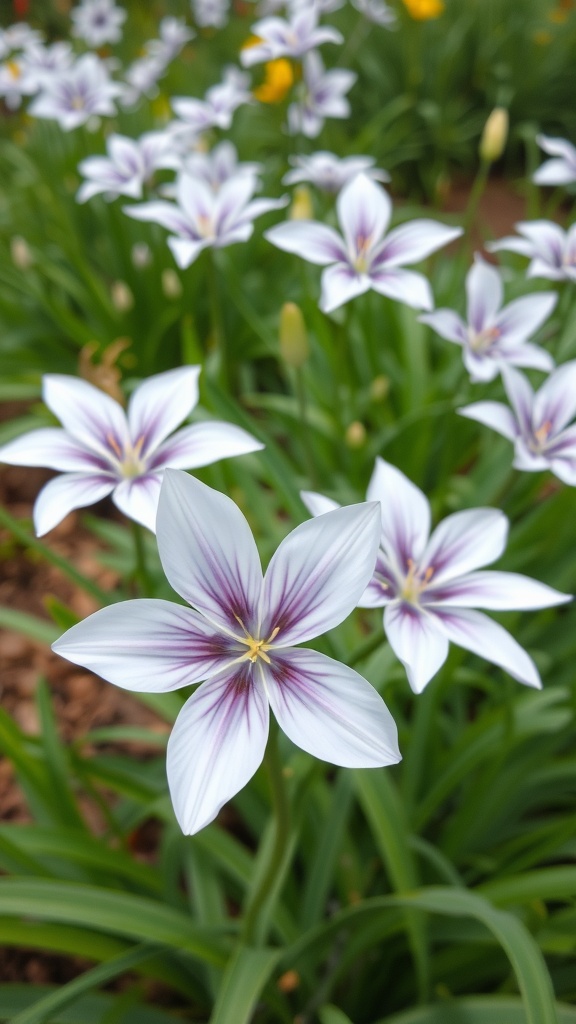
Triteleia, often called the starflower, brings a delightful touch to any garden. These flowers bloom in clusters, showcasing stunning star-shaped petals. The image captures their beauty perfectly, with vibrant white petals accented by purple stripes. They stand tall among lush green foliage, creating a lively scene.
These bulbs multiply over time, making them a fantastic choice for gardeners looking to expand their floral displays. Once planted, they will reward you with more blooms each season. Their starry appearance adds a whimsical charm, making them ideal for borders or mixed flower beds.
Triteleia thrives in well-drained soil and enjoys full sun. They are relatively low-maintenance, which makes them perfect for both novice and experienced gardeners. With their ability to naturalize, you can enjoy a burst of color year after year without much effort.
Daffodils: Nature’s Perennial Multipliers
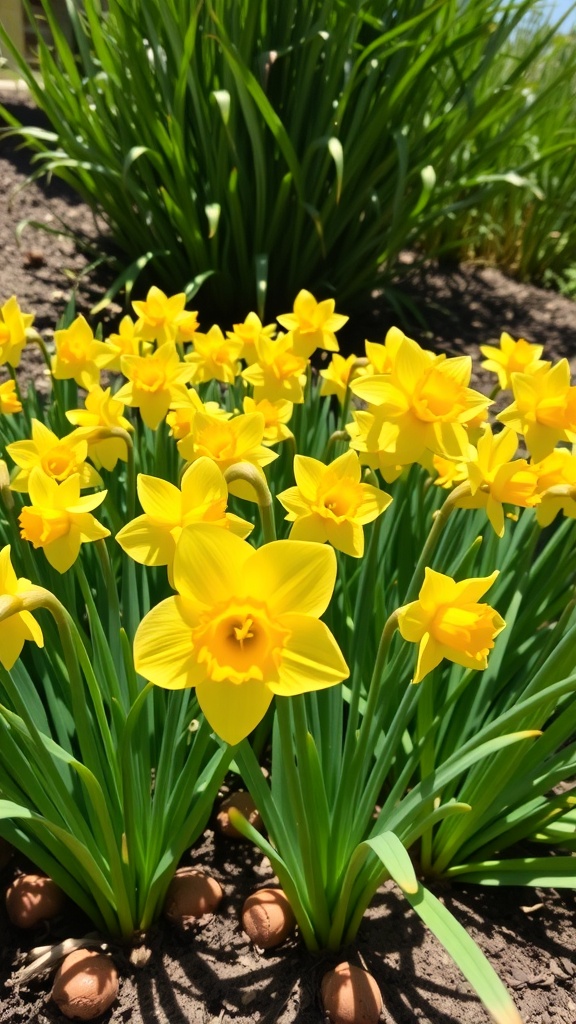
Daffodils are a true delight in any garden. Their bright yellow blooms bring a burst of sunshine, signaling the arrival of spring. These flowers are not just pretty; they are also incredibly easy to grow and multiply over time.
The image shows a vibrant patch of daffodils, their cheerful faces turned toward the sun. The green leaves provide a lovely backdrop, making the yellow flowers pop even more. You can see the bulbs peeking out from the soil, hinting at the potential for even more blooms next season.
Planting daffodils is simple. Just choose a sunny spot, dig a hole, and place the bulbs in. They will come back year after year, often multiplying to create an even fuller display. This makes them a fantastic choice for gardeners looking to add color without too much effort.
As they bloom, daffodils attract pollinators like bees, adding life to your garden. Plus, they are deer-resistant, so you won’t have to worry about these beautiful flowers being eaten. With daffodils, you get a reliable and cheerful addition to your garden that keeps on giving.
Oriental Lilies: Bold and Beautiful
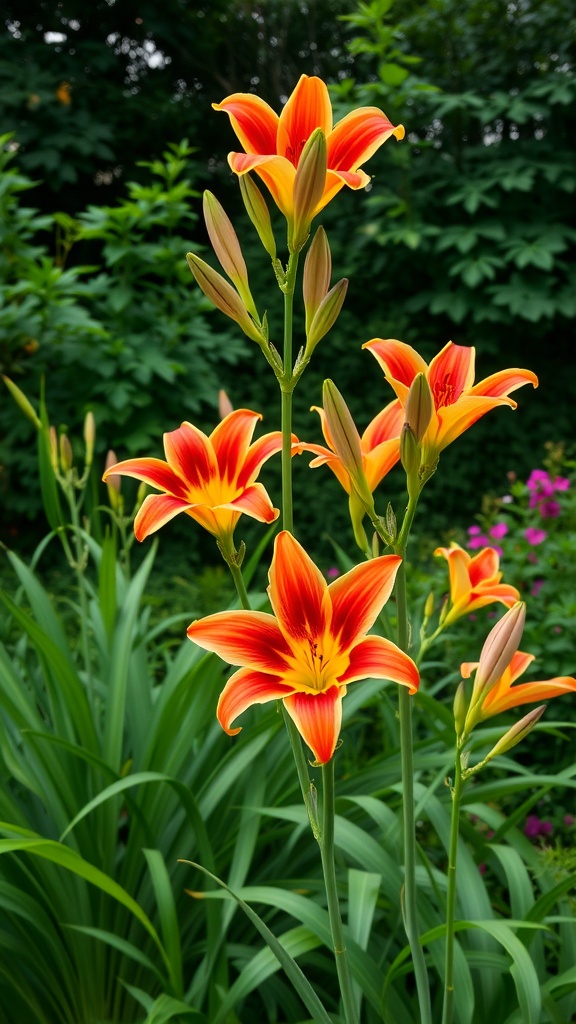
Oriental lilies are a stunning addition to any garden. With their vibrant colors and striking patterns, they truly stand out. The image showcases a cluster of these beautiful flowers, featuring bright orange petals with bold yellow accents. Their unique appearance makes them a favorite among gardeners.
These lilies are not just pretty; they are also known for their delightful fragrance. When they bloom, they fill the air with a sweet scent that can attract butterflies and bees. This makes them not only visually appealing but also beneficial for the garden ecosystem.
Growing oriental lilies is relatively easy. They thrive in well-drained soil and prefer full sun. Planting them in groups can create a dramatic effect, especially when they bloom together. With proper care, these bulbs can multiply and come back year after year, adding beauty to your garden.
Incorporating oriental lilies into your garden design can bring a touch of elegance. Their bold colors can complement other plants, creating a vibrant landscape. Whether you choose to plant them in borders or as focal points, they are sure to impress.