Gardens with agapanthus bring a touch of charm and beauty to any outdoor space. Known for their striking blue and white blossoms, these plants add color and character, making them a favorite among gardening enthusiasts. Whether you’re looking to create a serene retreat or a lively gathering spot, agapanthus can help set the scene just right.
Creating a Coastal Garden with Agapanthus
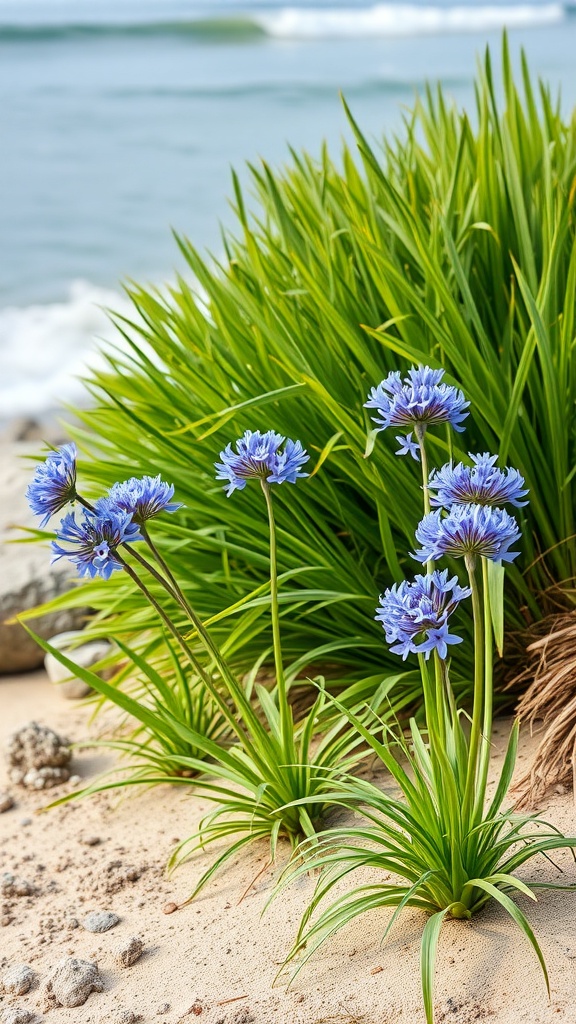
Agapanthus, with its striking blue flowers, is a fantastic choice for coastal gardens. These plants thrive in sandy soils and can handle salt spray, making them perfect for seaside settings.
The image shows vibrant Agapanthus blooms standing tall against a backdrop of gentle waves. Their lush green leaves complement the sandy beach, creating a beautiful contrast. This combination not only enhances the garden’s look but also brings a touch of the ocean into your landscape.
When planning your coastal garden, consider grouping Agapanthus with other drought-tolerant plants. This will create a stunning visual display while ensuring that your garden remains low-maintenance. The blue hues of Agapanthus can be paired with yellows and whites for a cheerful palette.
Don’t forget to provide adequate drainage. Coastal gardens can be prone to water retention, so planting Agapanthus in well-draining soil will help them flourish. Regular watering during dry spells will keep them happy and blooming.
Agapanthus in Mediterranean Gardens
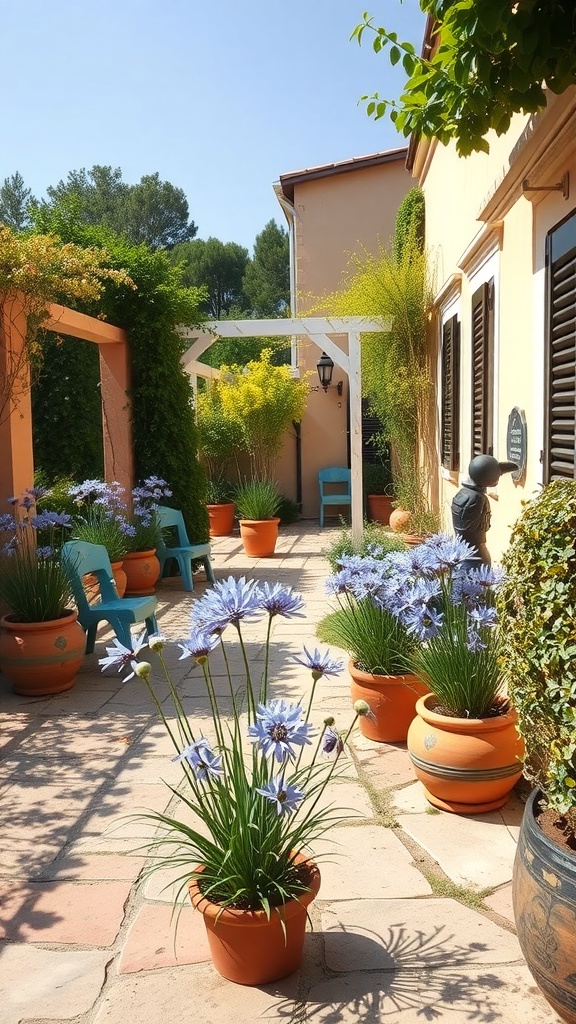
Agapanthus, with its striking blue flowers, brings a splash of color to Mediterranean gardens. These plants thrive in warm climates, making them a perfect fit for sunny patios and pathways.
The image showcases a charming garden space filled with potted agapanthus. The vibrant blooms stand tall, creating a lovely contrast against the terracotta pots. The arrangement of plants adds a welcoming touch to the area, inviting you to relax and enjoy the scenery.
In Mediterranean gardens, agapanthus can be used to line walkways or as focal points in outdoor seating areas. Their ability to thrive in well-drained soil and full sunlight makes them low-maintenance and ideal for busy gardeners.
With the right care, these flowers can bloom throughout the summer, providing a beautiful display. Pairing them with other Mediterranean plants, like lavender or rosemary, can enhance the garden’s overall appeal.
Agapanthus Varieties for Unique Garden Designs
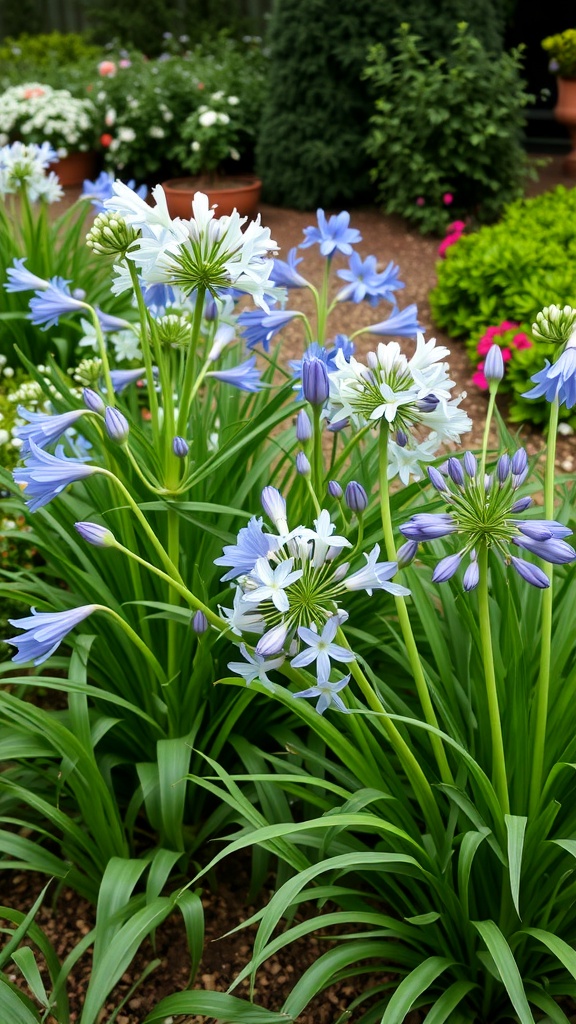
Agapanthus, often known as African lilies, bring a splash of color and charm to any garden. The image showcases a delightful mix of blue and white Agapanthus flowers, standing tall among lush green foliage. These blooms are not just pretty; they can transform your garden into a stunning visual treat.
There are several varieties of Agapanthus to choose from, each with its unique flair. For instance, the ‘Blue Moon’ variety features deep blue flowers that can create a striking contrast against lighter plants. On the other hand, ‘Albus’ offers pure white blooms, perfect for a serene and elegant garden design.
Mixing different varieties can add depth and interest to your garden. The varying heights and colors of Agapanthus can create layers that catch the eye. Pairing them with other flowers or shrubs can enhance their beauty even more, making your outdoor space feel vibrant and lively.
Designing a Modern Landscape with Agapanthus
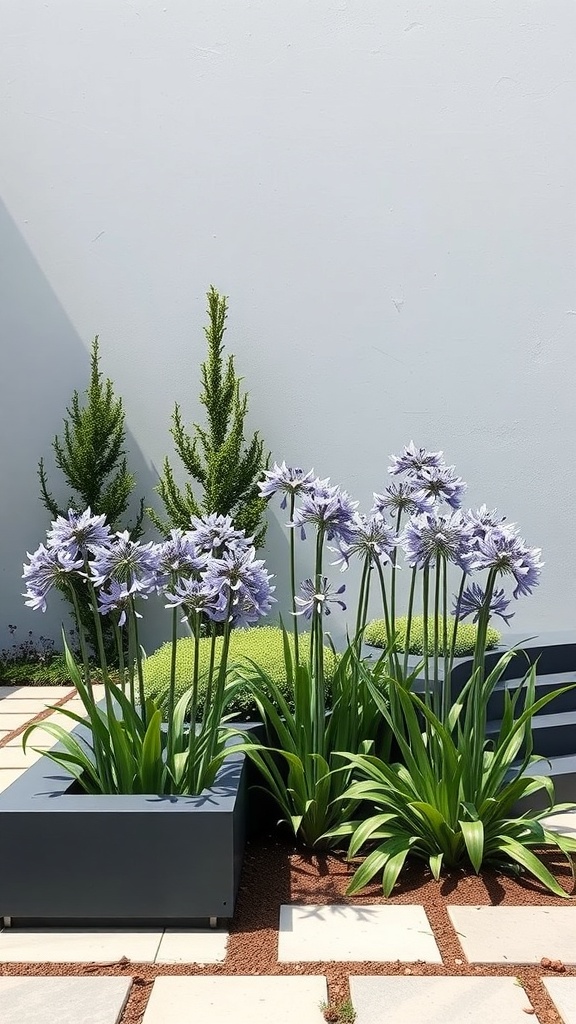
Agapanthus, with its stunning blue and purple blooms, brings a fresh touch to modern gardens. In the image, you can see these beautiful flowers standing tall in sleek, contemporary planters. The clean lines of the planters complement the vibrant foliage, creating a striking visual.
The arrangement of Agapanthus against a simple wall highlights their beauty. This design choice allows the flowers to take center stage, making them a focal point in the landscape. The use of geometric shapes in the planters and paving stones adds a modern flair that works well in various outdoor settings.
Incorporating Agapanthus into your garden can enhance its overall look. These plants thrive in sunny spots and are relatively low-maintenance, making them perfect for busy gardeners. Pairing them with other greenery, like the small conifer in the background, can create a balanced and inviting space.
Agapanthus and Water Features
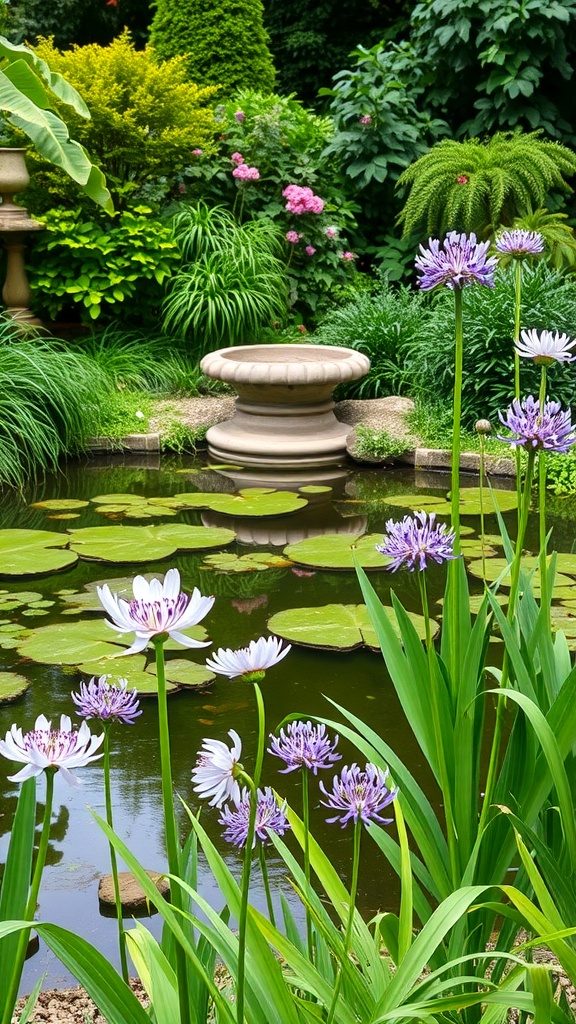
Agapanthus, with its striking blue and white blooms, pairs beautifully with water features. In the image, you can see these lovely flowers standing tall beside a serene pond. The contrast of their vibrant colors against the calm water creates a peaceful scene.
Water features like ponds or fountains add a refreshing element to gardens. They attract wildlife and create a soothing sound that enhances relaxation. The round lily pads floating on the water complement the agapanthus, making the garden feel alive and inviting.
When planning your garden, think about how agapanthus can frame your water features. Their height and shape draw the eye, guiding visitors to the tranquil water. This combination not only looks great but also provides a habitat for frogs and birds.
Overall, integrating agapanthus with water features can transform your garden into a beautiful retreat. Whether it’s a small fountain or a larger pond, these flowers will surely enhance the natural beauty of your space.
Agapanthus in Container Gardening
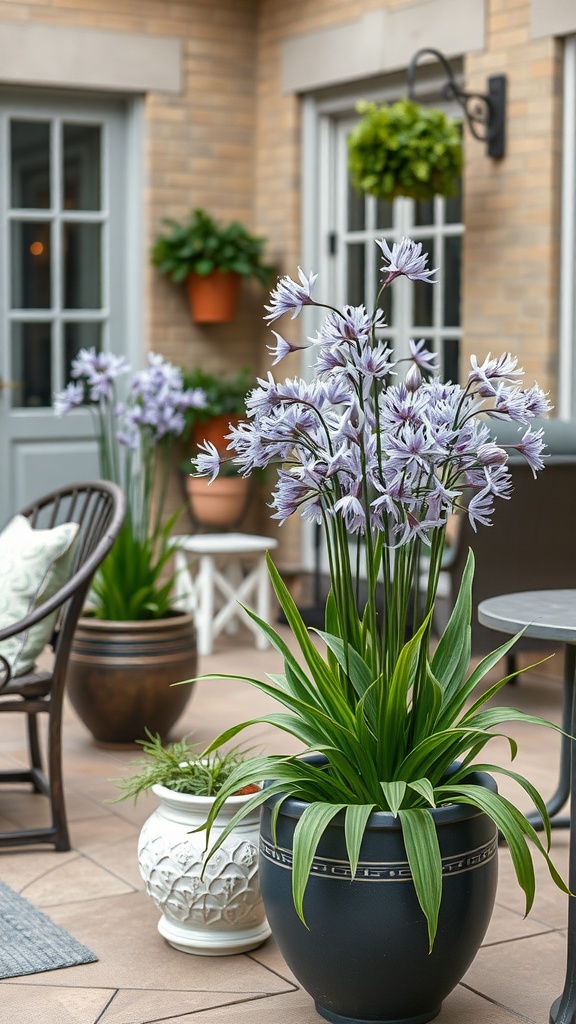
Agapanthus, with its striking blue and purple flowers, makes a fantastic choice for container gardening. In the image, you can see beautiful agapanthus plants in stylish pots, adding a splash of color to a cozy outdoor space. These plants thrive in containers, allowing you to showcase their beauty on patios, balconies, or even indoors.
Container gardening with agapanthus is simple and rewarding. Choose pots that are large enough to accommodate their root systems. The deep colors of the pots in the image complement the vibrant blooms perfectly. Make sure to use well-draining soil to keep the roots healthy.
Watering is key for container-grown agapanthus. They enjoy moist soil but don’t like being waterlogged. Regular watering, especially during dry spells, will keep them happy. The lush green leaves seen in the image indicate they’re getting the care they need.
Lastly, don’t forget to position your containers where they can soak up plenty of sunlight. Agapanthus loves the sun, and with the right care, they will reward you with stunning flowers all season long. So grab some pots, and let’s get planting!
The Role of Agapanthus in Pollinator Gardens
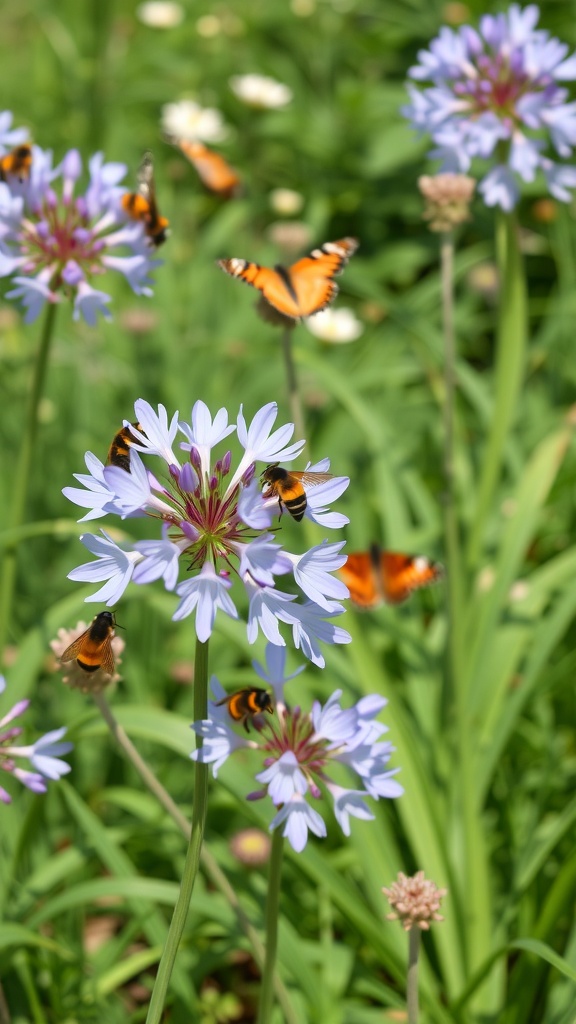
Agapanthus, with its striking blue and purple flowers, plays a vital role in pollinator gardens. In the image, you can see these beautiful blooms attracting bees and butterflies, making them a favorite among pollinators.
These plants not only add color to your garden but also provide essential nectar for bees and butterflies. The tall, sturdy stems and vibrant clusters of flowers create a perfect landing pad for these important creatures.
Having Agapanthus in your garden encourages biodiversity. When you plant these flowers, you invite various pollinators to visit, which helps with the overall health of your garden ecosystem. It’s a simple way to support nature while enjoying the beauty of these lovely plants.
Seasonal Care Tips for Agapanthus
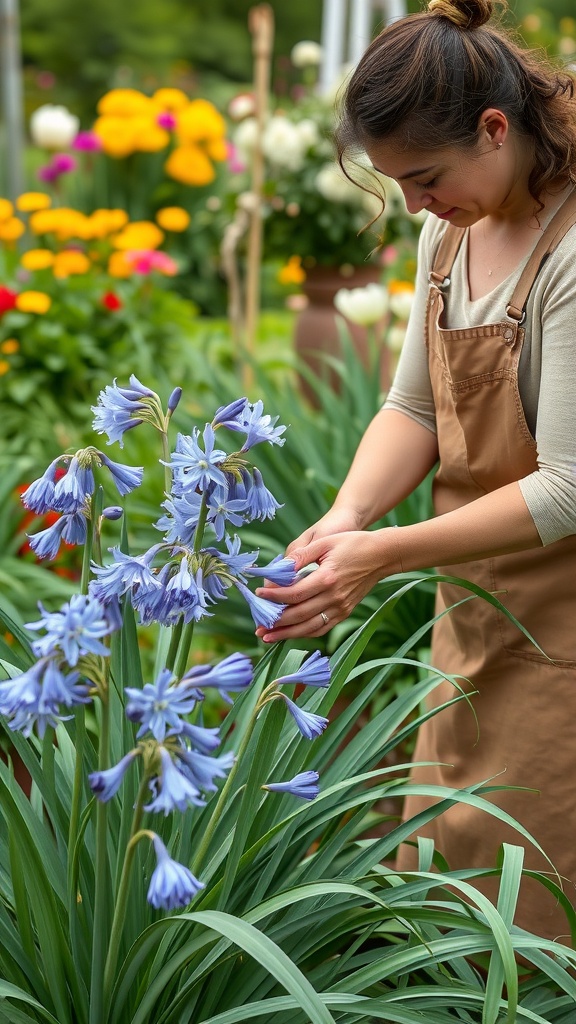
Agapanthus, with its stunning blue flowers, brings joy to any garden. In the image, a gardener lovingly tends to these beautiful plants, showcasing the care they need. Keeping your Agapanthus healthy requires some seasonal attention.
In spring, it’s a good idea to fertilize your Agapanthus. Use a balanced fertilizer to promote healthy growth. This is when the plants start to wake up from their winter dormancy. Regular watering is also key, especially as the weather warms up.
During the summer, keep an eye on moisture levels. Agapanthus enjoys consistent watering but be careful not to overdo it. Mulching can help retain moisture and keep the roots cool. Deadheading spent flowers encourages more blooms, so don’t forget to snip those off!
As fall approaches, it’s time to prepare for cooler weather. Reduce watering and allow the foliage to die back naturally. This helps the plant conserve energy for the next growing season. If you live in a colder area, consider mulching around the base to protect the roots.
Winter care is all about protection. If your Agapanthus is in a pot, bring it indoors or to a sheltered spot. For those in the ground, a layer of mulch can help insulate the roots. With these simple tips, your Agapanthus will thrive and continue to brighten your garden!
Creating a Tropical Oasis with Agapanthus
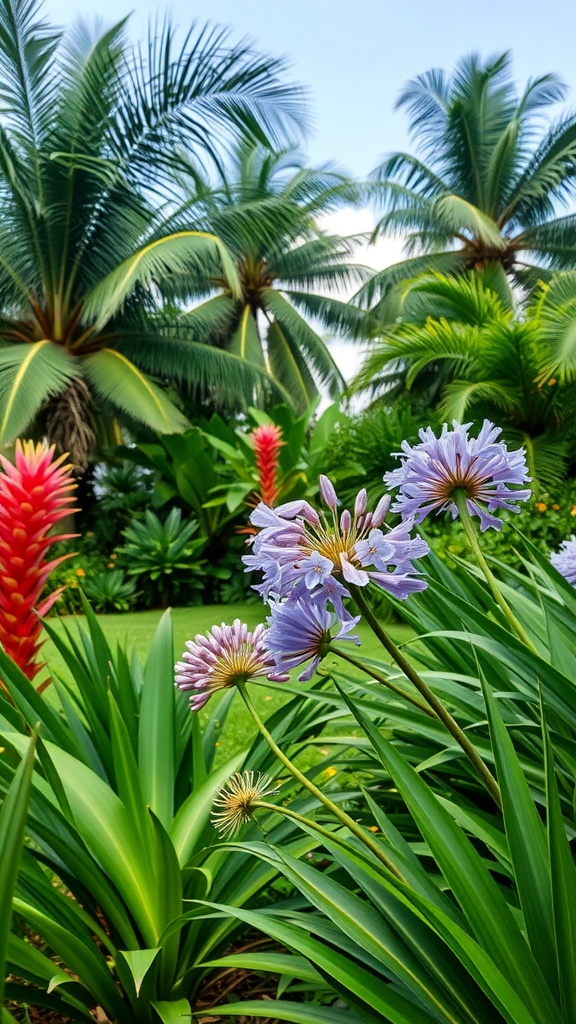
Agapanthus, with its stunning blue and purple blooms, brings a tropical feel to any garden. In the image, you can see these vibrant flowers standing tall amidst lush green foliage. The combination of the Agapanthus and the surrounding palm trees creates a serene atmosphere, perfect for relaxation.
These flowers thrive in warm climates, making them ideal for creating that tropical oasis vibe. They are low-maintenance and can flourish in various soil types. Pairing them with other tropical plants, like ginger or palm trees, enhances their beauty and creates a lush backdrop.
When planting Agapanthus, consider grouping them in clusters. This not only highlights their beauty but also makes a bold statement in your garden. With the right care, these flowers can bloom for months, adding color and life to your outdoor space.
Agapanthus in Wildlife Gardens
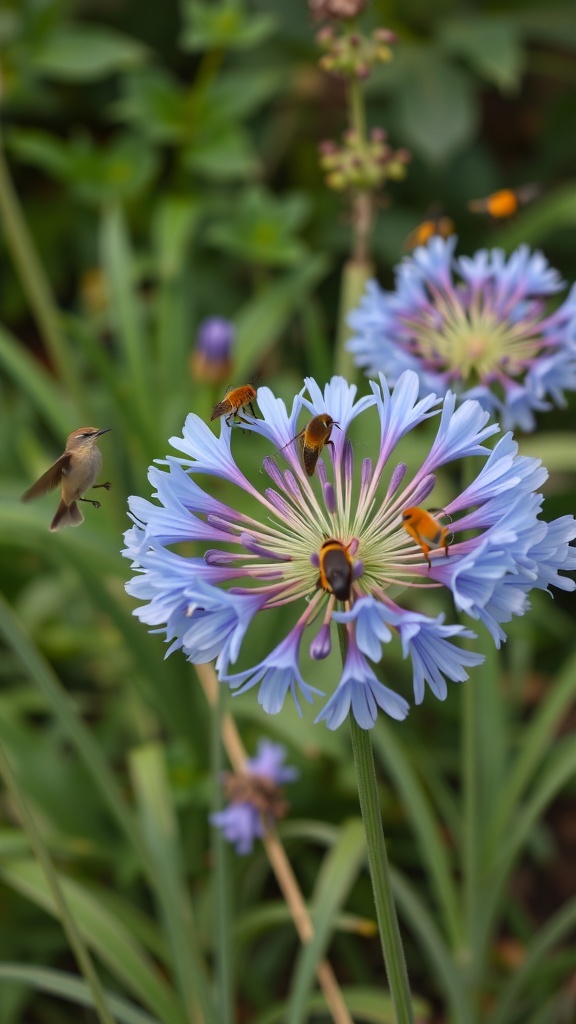
Agapanthus, with its striking blue flowers, is a fantastic addition to wildlife gardens. These plants not only bring beauty but also attract various pollinators. In the image, you can see bees buzzing around the flowers, happily collecting nectar. This interaction is vital for both the bees and the plants, creating a lively ecosystem.
Wildlife gardens thrive on diversity, and Agapanthus fits right in. Its tall stems and vibrant blooms provide shelter and food for insects and birds. The hummingbird in the picture is a perfect example of how these flowers can draw in wildlife, making your garden a lively place.
Planting Agapanthus can enhance your garden’s appeal while supporting local wildlife. They are relatively easy to care for and can thrive in various conditions. So, if you want to create a welcoming space for nature, consider adding these beautiful plants to your garden.
Agapanthus and Xeriscaping
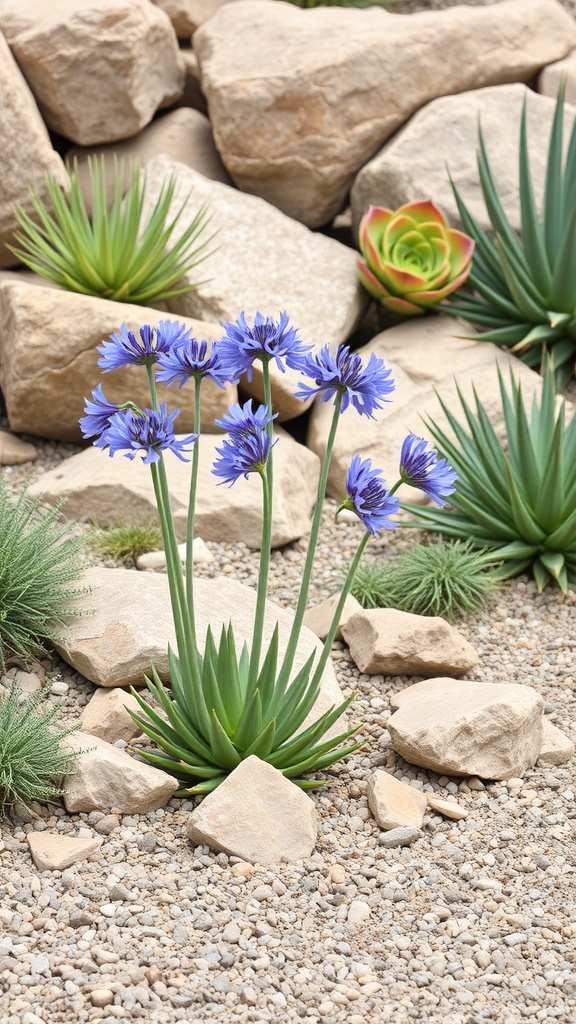
Agapanthus, with its striking blue flowers, fits perfectly into xeriscaping designs. This plant thrives in dry conditions, making it a great choice for water-wise gardens. The image shows Agapanthus standing tall among rocks and succulents, showcasing its resilience.
The combination of Agapanthus and other drought-tolerant plants creates a beautiful, low-maintenance landscape. The rocks add texture and help retain moisture in the soil, which is beneficial for the plants. This setup not only looks good but also conserves water.
Using Agapanthus in xeriscaping means you can enjoy vibrant blooms without the worry of constant watering. It’s a smart choice for anyone looking to create a sustainable garden that still has plenty of visual appeal.
Agapanthus in Urban Gardening
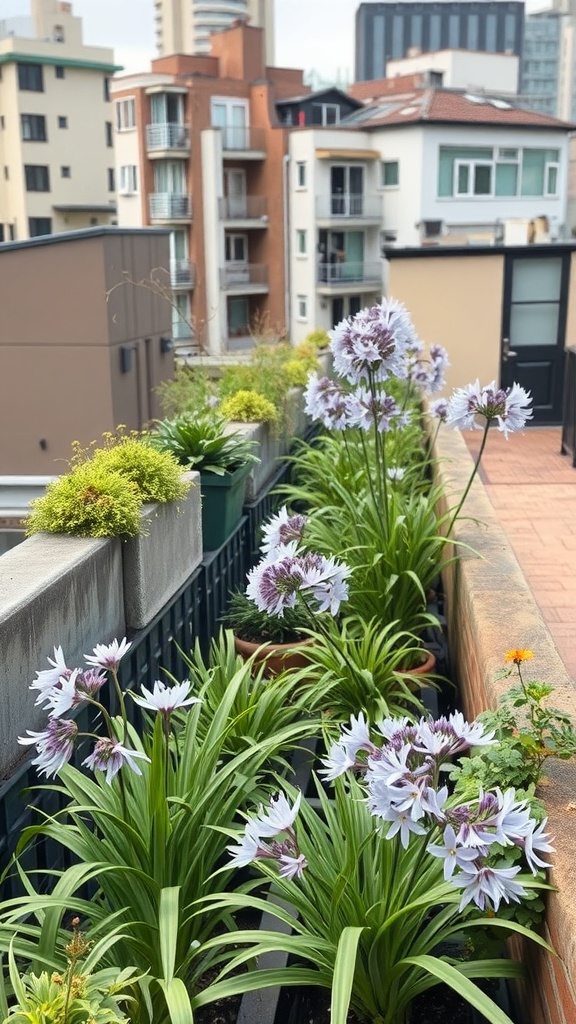
Urban gardening can be a delightful way to bring nature into city life. Agapanthus, with its striking blue and white flowers, fits perfectly into this setting. These plants thrive in containers, making them ideal for balconies and small gardens.
The image shows a beautiful display of agapanthus along a balcony railing. The flowers stand tall, surrounded by lush green leaves. This setup not only brightens the urban landscape but also adds a touch of tranquility.
Incorporating agapanthus into your urban garden is simple. They require minimal care and can flourish in various conditions. Just ensure they get enough sunlight and water. This makes them a great choice for busy city dwellers who still want to enjoy the beauty of gardening.
By adding agapanthus to your space, you create a vibrant atmosphere. Their unique blooms can attract pollinators, enhancing the local ecosystem. So, whether you have a small balcony or a larger rooftop garden, consider planting these lovely flowers for a splash of color and life.
The Cultural Significance of Agapanthus
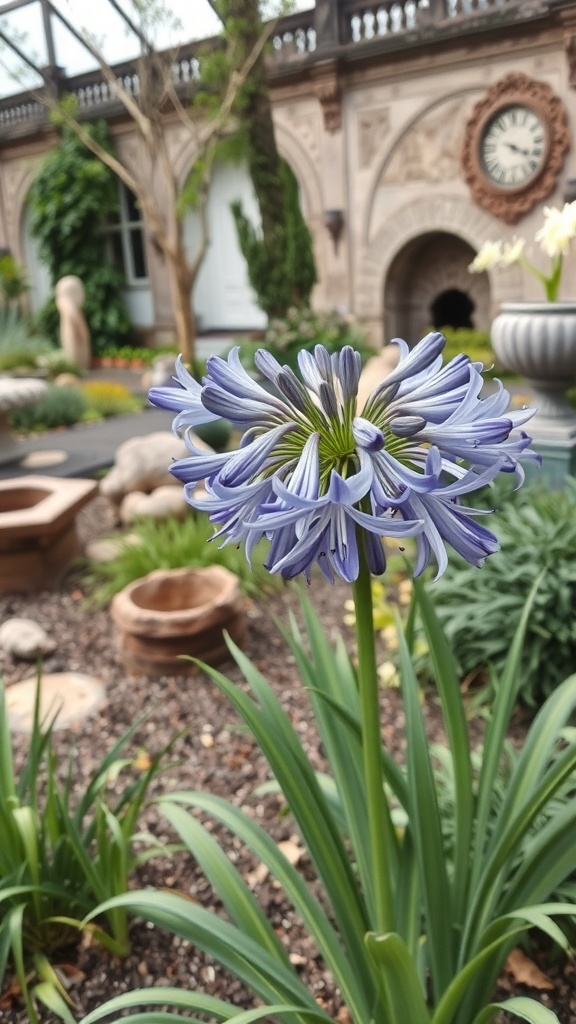
Agapanthus, often known as the African lily, holds a special place in various cultures. This beautiful flower, with its striking blue and purple hues, symbolizes love and unity. In many regions, it is seen as a representation of friendship and loyalty, making it a popular choice for gardens and floral arrangements.
The image showcases a stunning Agapanthus bloom, standing tall amidst a well-kept garden. The delicate petals and lush green leaves create a vibrant contrast against the backdrop of elegant architecture. This setting highlights how Agapanthus can enhance the beauty of any landscape.
In some cultures, Agapanthus is also associated with protection and good fortune. People often plant these flowers near their homes to invite positive energy and ward off negativity. This belief adds another layer of meaning to the presence of Agapanthus in gardens.
Overall, Agapanthus is more than just a pretty flower. It carries deep cultural significance, making it a cherished addition to gardens around the world.
Agapanthus as Border Plants
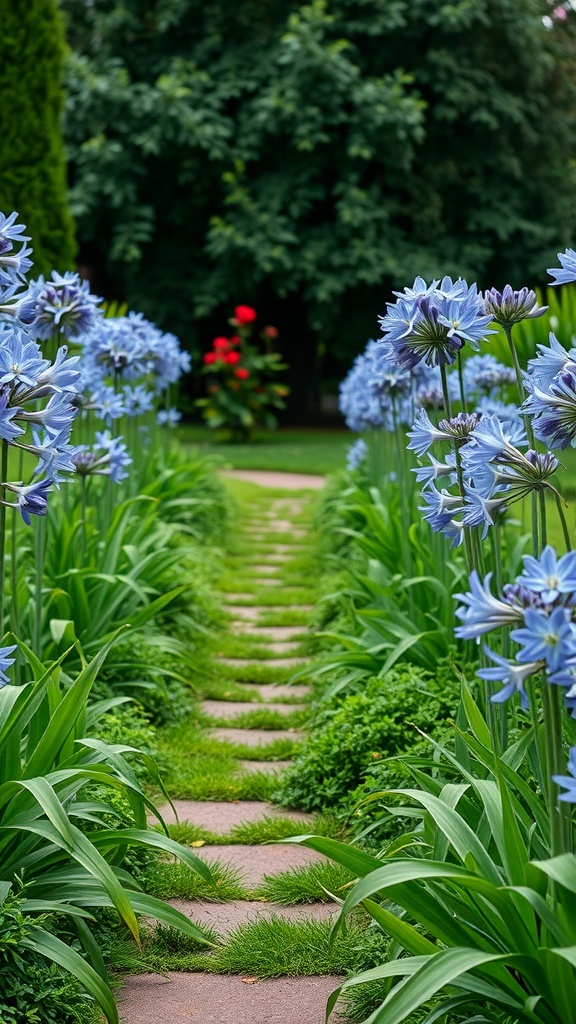
Agapanthus, with their striking blue flowers, make fantastic border plants for any garden. They create a beautiful pathway, guiding the eye along the garden’s edge. In the image, you can see these lovely blooms lining a stone path, inviting you to stroll through the greenery.
The lush green leaves of the Agapanthus contrast nicely with the vibrant flowers, adding depth to the garden. This combination not only enhances the visual appeal but also provides a sense of structure. The flowers bloom in clusters, creating a stunning display that can brighten up any landscape.
Using Agapanthus as border plants can also help define spaces within your garden. They work well alongside other plants, allowing for a diverse planting scheme. Whether you have a modern or traditional garden, these flowers can fit right in, adding a touch of elegance.
Another great aspect of Agapanthus is their resilience. They thrive in various conditions, making them a reliable choice for borders. With minimal care, they can flourish, bringing joy and beauty to your outdoor space.
Agapanthus in Shade Gardens
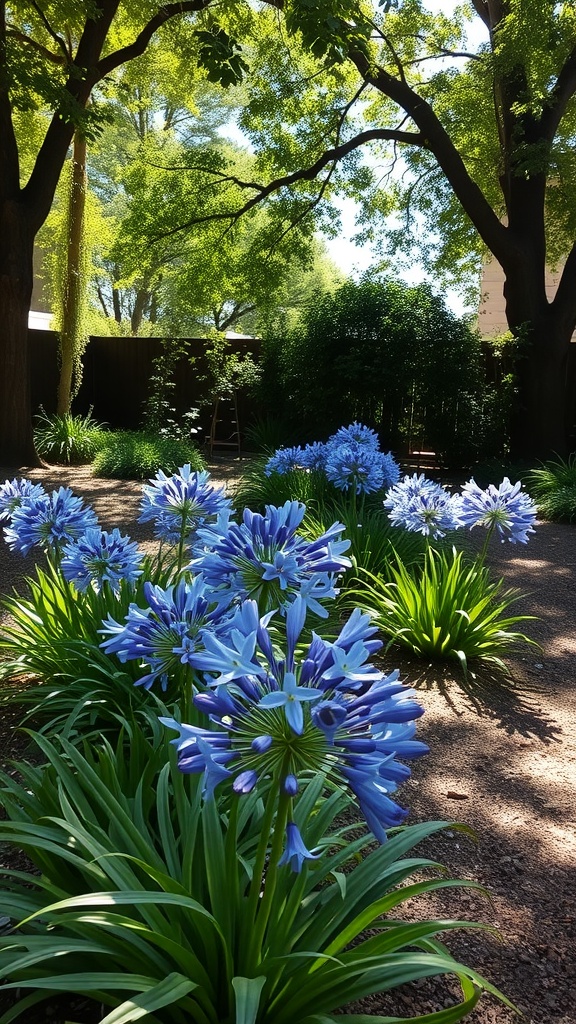
Agapanthus, often called lily of the Nile, brings a splash of color to shade gardens. The image shows clusters of stunning blue flowers surrounded by lush green leaves, thriving under the dappled light of tall trees. This setting highlights how well these plants adapt to less sunny spots.
These flowers bloom beautifully in the summer, creating a striking contrast against the darker foliage. Their vibrant blue hues can brighten up any shaded area, making them a popular choice for gardeners looking to add some life to their landscapes.
In shade gardens, Agapanthus can be paired with other shade-loving plants for a diverse look. They work well with ferns or hostas, creating a layered effect that adds depth. The combination of textures and colors can turn a simple garden into a captivating retreat.
When planting Agapanthus, ensure they have well-drained soil and some room to spread. They can thrive with minimal care, making them perfect for both novice and experienced gardeners. So, if you have a shady spot that needs a touch of color, consider adding these lovely blooms!
Companion Planting with Agapanthus
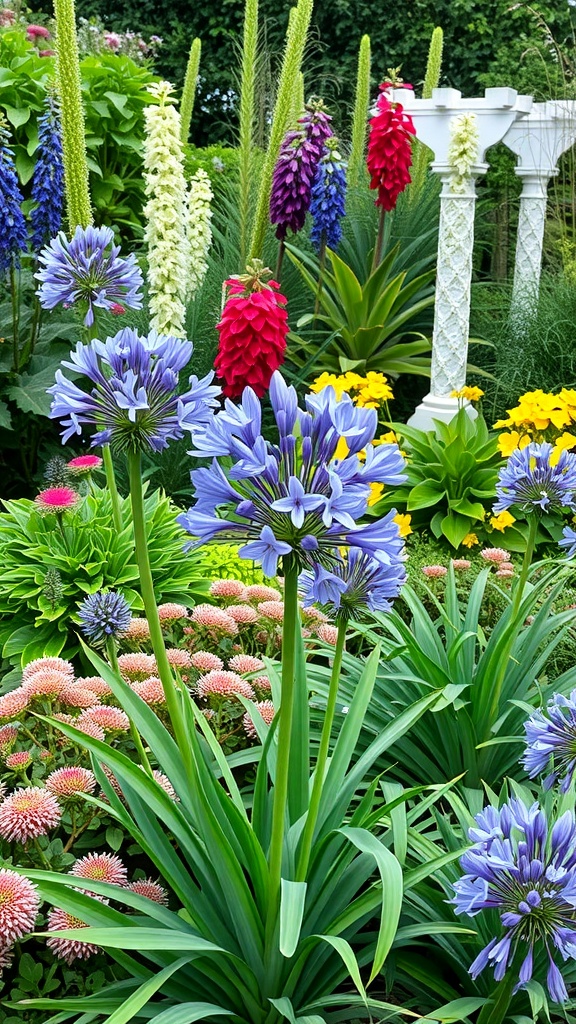
Agapanthus, with its striking blue flowers, brings a splash of color to any garden. In the image, you can see these beautiful blooms standing tall among other vibrant plants. The mix of colors creates a lively scene that showcases how well agapanthus can complement various flowers.
When planting agapanthus, consider pairing them with low-growing plants like the pink ones in the foreground. This combination not only adds depth but also highlights the agapanthus’ height. The surrounding greenery and colorful blooms create a harmonious look, making your garden feel more inviting.
Another great companion for agapanthus is the tall, spiky flowers seen in the background. Their vertical growth contrasts nicely with the rounder shapes of the agapanthus and other plants. This mix of textures and heights can turn your garden into a visual delight.
For those looking to create a vibrant garden, think about including a variety of colors and shapes. The agapanthus can serve as a focal point, while the surrounding plants enhance its beauty. This thoughtful arrangement can make your outdoor space feel more dynamic and alive.
Agapanthus and Edible Gardens
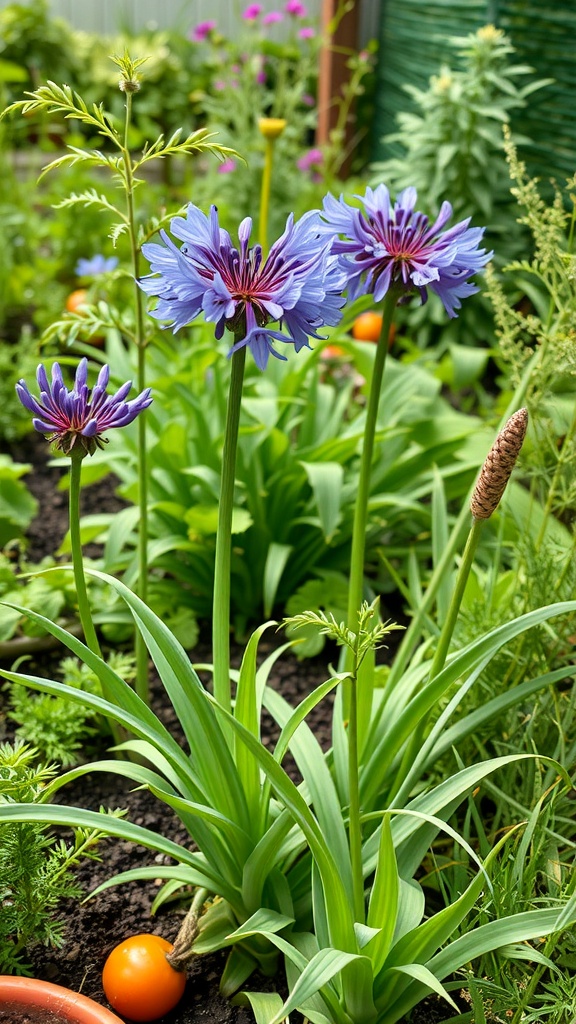
Agapanthus, with its stunning blue flowers, brings a splash of color to any garden. In an edible garden, these blooms can be a delightful addition. They not only look great but can also attract beneficial pollinators, which help your fruits and veggies thrive.
The image showcases vibrant Agapanthus flowers standing tall among various plants. The contrast of the blue petals against the green foliage creates a lively atmosphere. Nearby, you can spot some orange fruits peeking through, hinting at the edible treasures growing alongside these beautiful flowers.
Incorporating Agapanthus into your edible garden can enhance its beauty while supporting a healthy ecosystem. These flowers are hardy and can thrive in various conditions, making them a perfect companion for your vegetables and herbs.
Agapanthus and Garden Pathways
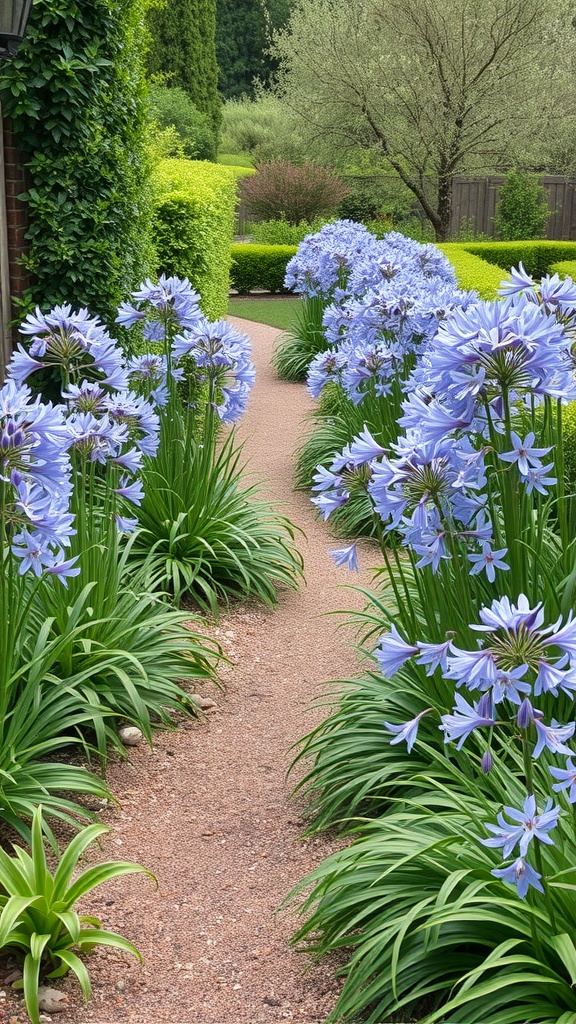
Agapanthus, with its stunning blue flowers, creates a beautiful scene along garden pathways. These plants line the path, inviting you to stroll through the vibrant blooms. The soft, rounded shapes of the flowers contrast nicely with the straight lines of the pathway.
The pathway itself is made of gravel, which adds a rustic charm. It’s easy to walk on and blends well with the surrounding greenery. The lush foliage of the agapanthus plants frames the path, making it feel like a secret garden.
As you walk, you can enjoy the gentle sway of the flowers in the breeze. Their colors can brighten up any garden, making them a popular choice for landscaping. Agapanthus not only adds beauty but also attracts pollinators, enhancing the garden’s ecosystem.
Agapanthus for Erosion Control
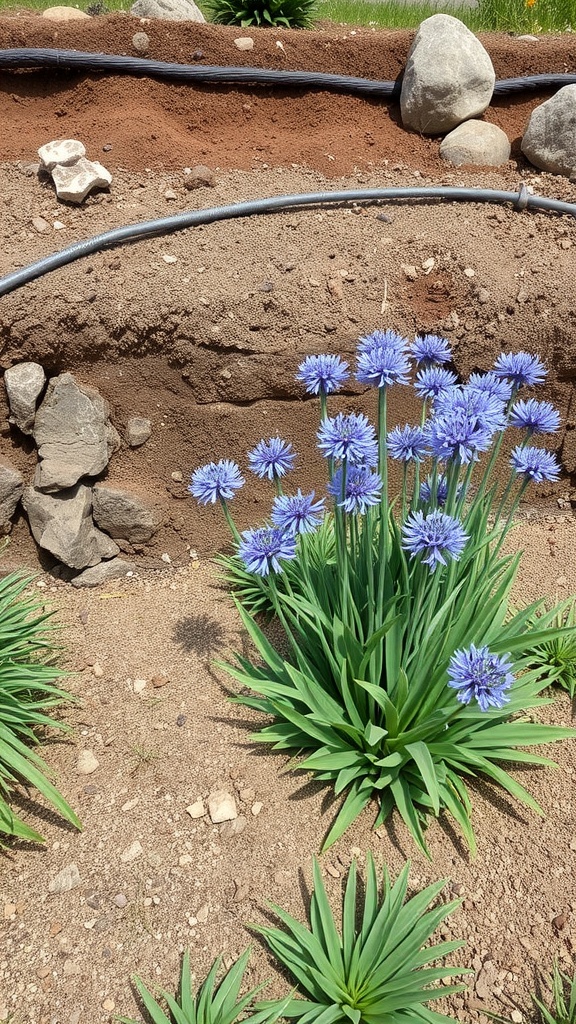
Agapanthus, with its striking blue flowers, is not just a pretty face in the garden. This plant plays a vital role in controlling erosion. The roots of Agapanthus grow deep into the soil, helping to stabilize it. This is especially useful in areas prone to soil erosion, where heavy rains can wash away topsoil.
In the image, you can see a cluster of Agapanthus blooming beautifully. The vibrant flowers contrast nicely with the earthy tones of the surrounding soil and rocks. This visual appeal makes it a popular choice for landscaping.
Using Agapanthus in your garden can create a natural barrier against erosion. The dense foliage not only adds beauty but also helps hold the soil in place. This is particularly beneficial on slopes or near water bodies where soil can easily be displaced.
Incorporating Agapanthus into your garden design is a smart way to enhance both aesthetics and functionality. You get to enjoy the lovely blooms while also protecting your soil. It’s a win-win!
Agapanthus and Garden Art
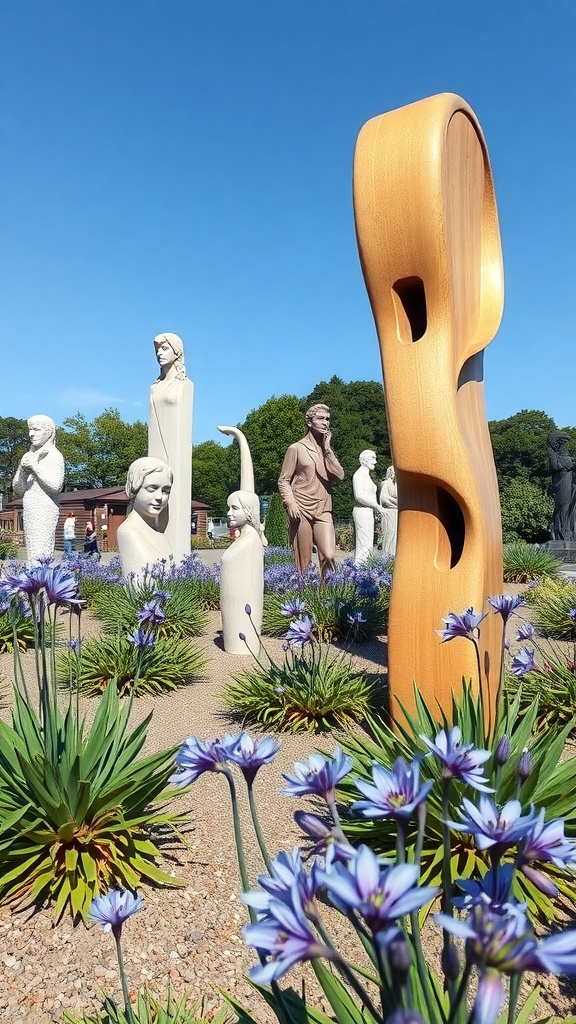
Agapanthus flowers bring a splash of color to any garden, and when paired with art, they create a stunning visual experience. In the image, you can see beautiful clusters of blue Agapanthus blooming around various sculptures. These flowers not only add charm but also complement the artistic elements beautifully.
The sculptures, ranging from human figures to abstract forms, create a dialogue with the surrounding flora. The contrast between the soft petals of the Agapanthus and the solid textures of the sculptures makes for an engaging scene. It’s a reminder of how art can enhance the natural beauty of a garden.
Walking through such a garden can be inspiring. The combination of vibrant flowers and thoughtful art pieces invites visitors to pause and reflect. It’s a perfect spot for photography or simply enjoying a peaceful moment outdoors. Gardens like this show how creativity and nature can come together harmoniously.
Agapanthus in Floral Arrangements
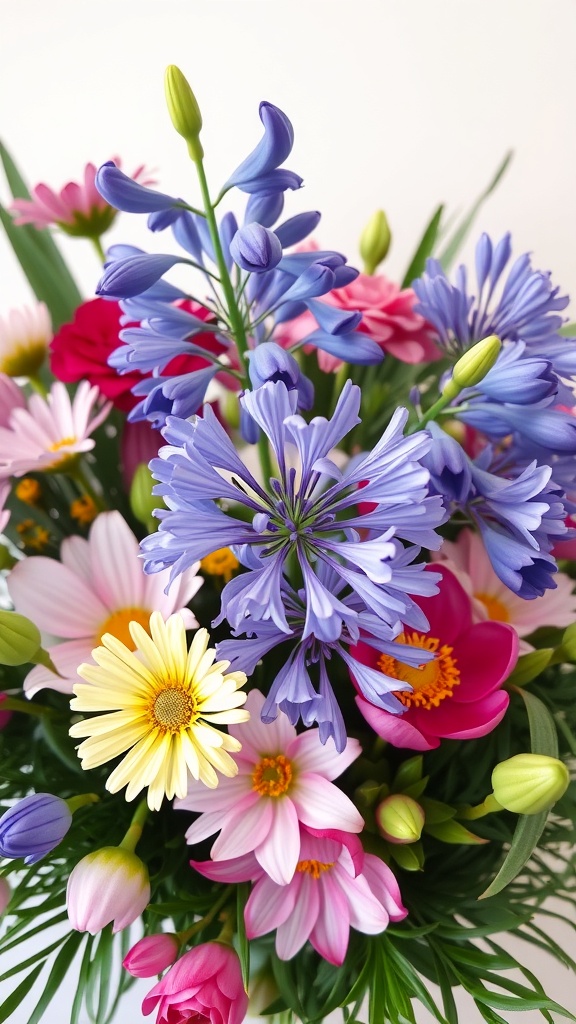
Agapanthus, with its stunning blue and purple blooms, brings a unique charm to floral arrangements. These flowers stand tall and proud, adding height and drama to any bouquet. Their vibrant colors pop against softer hues, creating a beautiful contrast.
In this arrangement, you can see Agapanthus nestled among cheerful daisies and delicate tulips. The mix of colors and shapes creates a lively and inviting display. This combination not only looks great but also adds texture and depth to the arrangement.
Using Agapanthus in floral designs is a fantastic way to celebrate the beauty of nature. Whether for a special occasion or just to brighten your home, these flowers can elevate any space. They are sure to catch the eye and spark joy.
The Aesthetic Appeal of Agapanthus in Gardens
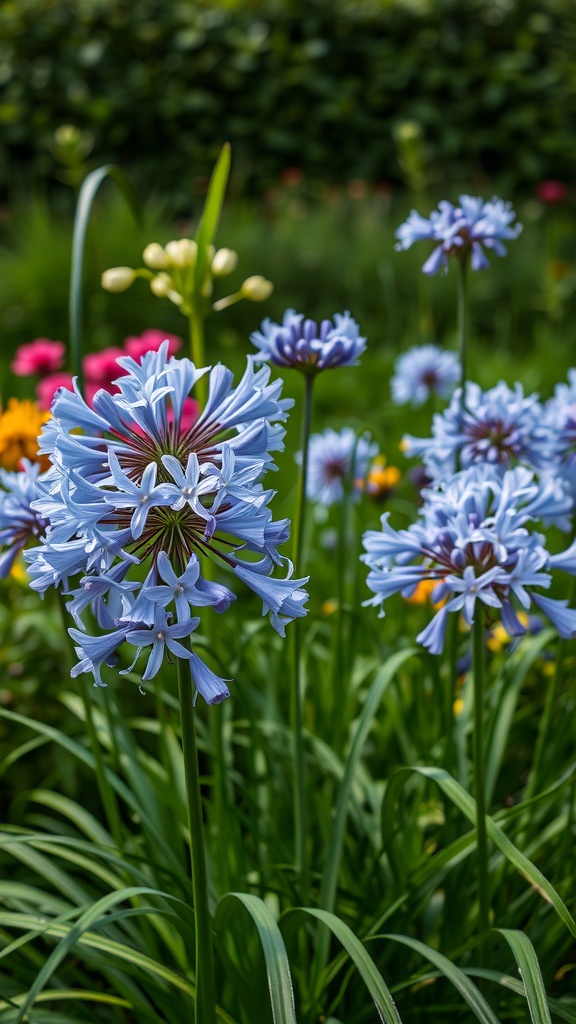
Agapanthus, often known as the African lily, brings a unique charm to gardens. With its striking blue flowers and lush green leaves, it creates a stunning visual impact. The flowers bloom in clusters, adding a pop of color that can brighten any landscape.
In the image, you can see the delicate blue petals standing tall among a vibrant backdrop of other flowers. This mix of colors showcases how well Agapanthus can complement various plants. Its tall stems and graceful blooms make it a favorite among gardeners looking to add elegance to their outdoor spaces.
These plants thrive in sunny spots and are relatively low-maintenance, making them perfect for both novice and experienced gardeners. Their ability to attract pollinators like bees and butterflies adds to their appeal, creating a lively atmosphere in any garden.
Overall, incorporating Agapanthus into your garden design not only enhances its beauty but also contributes to a thriving ecosystem. Whether planted in groups or as standalone features, these flowers are sure to impress.
Agapanthus in Cottage Gardens
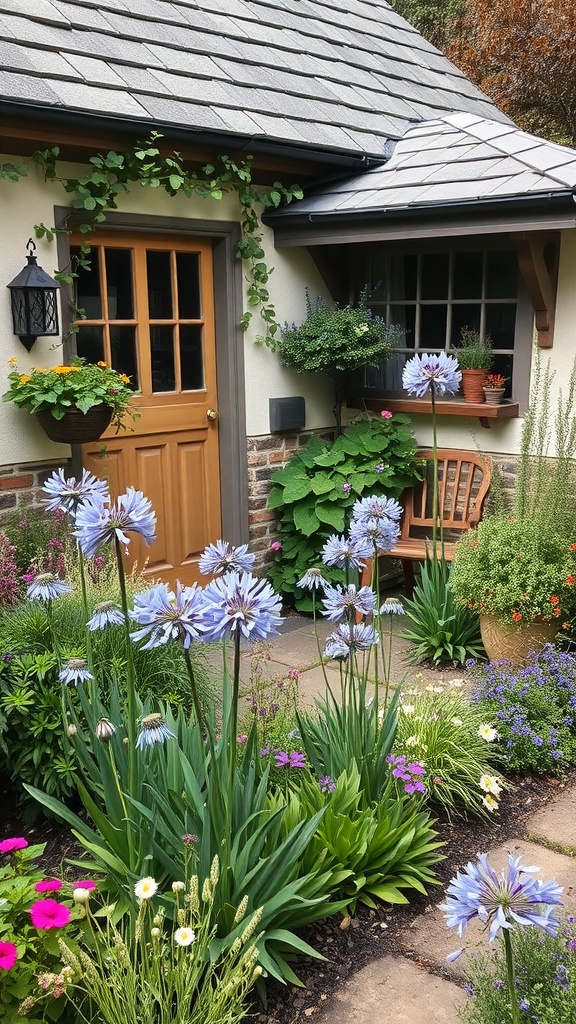
Agapanthus, with its striking blue flowers, adds a charming touch to cottage gardens. These plants thrive in sunny spots and can create a stunning focal point. In the image, you can see tall Agapanthus blooms standing proudly among a mix of colorful flowers.
The cottage’s warm wooden door and cozy seating area complement the vibrant garden. This setting invites relaxation and enjoyment of nature. The combination of Agapanthus with other blooms creates a lively, welcoming atmosphere.
Planting Agapanthus in clusters enhances their visual impact. They work well alongside daisies and petunias, as seen here. This mix not only brings color but also attracts pollinators, making the garden lively and full of life.
For those looking to create a similar look, consider planting Agapanthus in well-drained soil. They require minimal care, making them perfect for busy gardeners. With their beautiful blooms, they truly embody the essence of a cottage garden.
Agapanthus for Seasonal Color
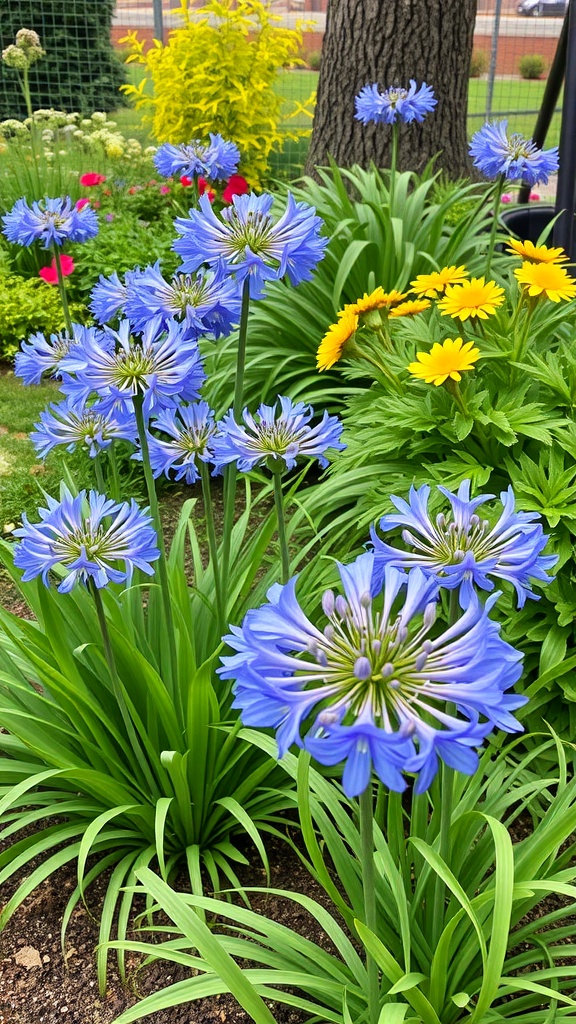
Agapanthus, often known as the African lily, brings a burst of color to gardens. The striking blue flowers in the image showcase their beauty. These plants bloom during the summer, adding vibrant hues to any landscape.
The lush green leaves create a lovely contrast against the bright blue petals. This combination makes agapanthus a favorite for gardeners looking to enhance their outdoor spaces. Pairing them with yellow daisies, as seen here, creates a cheerful and inviting atmosphere.
Agapanthus is not just about looks; they are also low-maintenance. Once established, they thrive with minimal care. This makes them perfect for busy gardeners who still want a colorful display. Consider adding these stunning flowers to your garden for a seasonal color boost!
Agapanthus and Seasonal Festivals
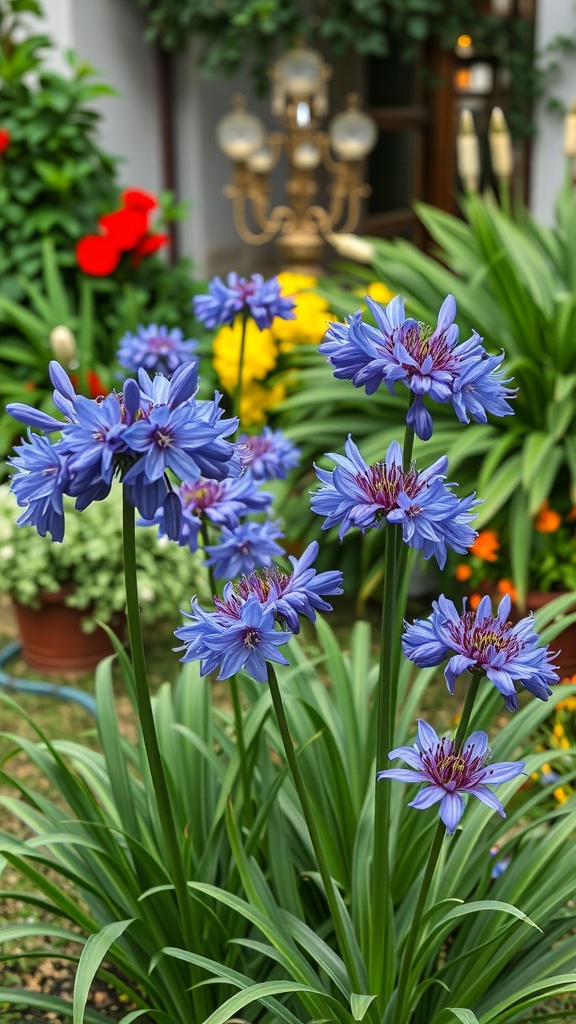
Agapanthus, with its stunning blue flowers, brings a splash of color to gardens during seasonal festivals. These flowers bloom beautifully, creating a lively atmosphere that enhances any celebration.
During festivals, gardens featuring Agapanthus often become gathering spots. People enjoy the vibrant scenery while participating in various activities. The flowers serve as a backdrop for photos, making memories even more special.
Many festivals celebrate the arrival of spring, and Agapanthus is a star at these events. Their striking appearance draws attention and admiration from all who visit. Whether in a community garden or a private yard, these flowers add charm and joy to the festivities.
Agapanthus for Fragrance in Gardens
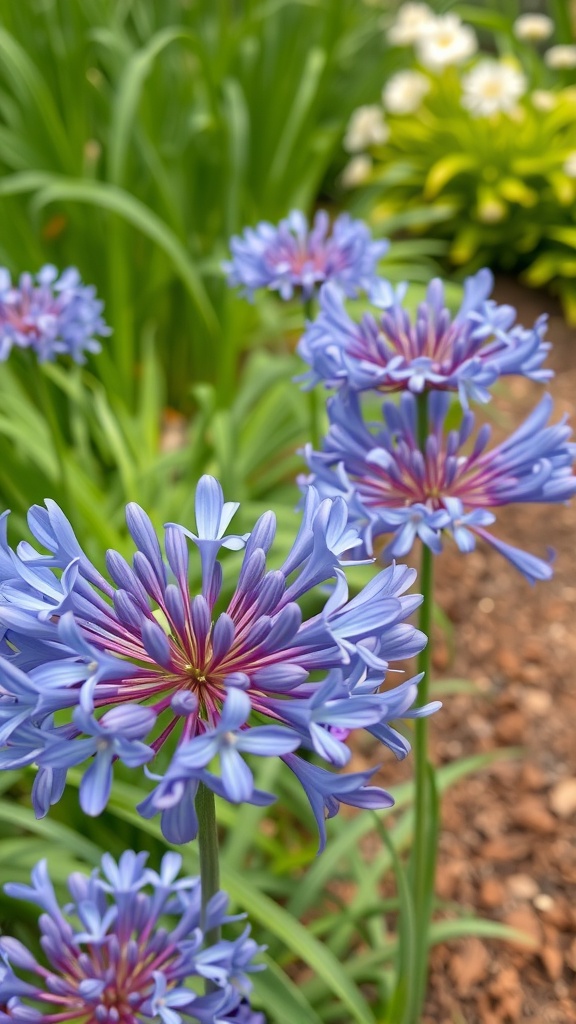
Agapanthus, often known as the African lily, brings a delightful touch to any garden. The image showcases stunning blue flowers that stand tall and proud. Their unique shape and vibrant color can brighten up any space.
These flowers not only add beauty but also a lovely fragrance. When planted in clusters, they create a wonderful scent that can fill the air, making your garden a pleasant place to relax. The combination of their visual appeal and sweet aroma makes them a favorite among gardeners.
Agapanthus thrives in sunny spots and can adapt to various soil types. They are relatively low-maintenance, which is a plus for busy gardeners. With proper care, these flowers can bloom year after year, providing a consistent source of fragrance and joy.
Incorporating agapanthus into your garden design can enhance the overall experience. Imagine walking through a pathway lined with these fragrant blooms, creating a serene atmosphere. They pair beautifully with other plants, making them a versatile choice for any garden layout.
Agapanthus and Garden Lighting
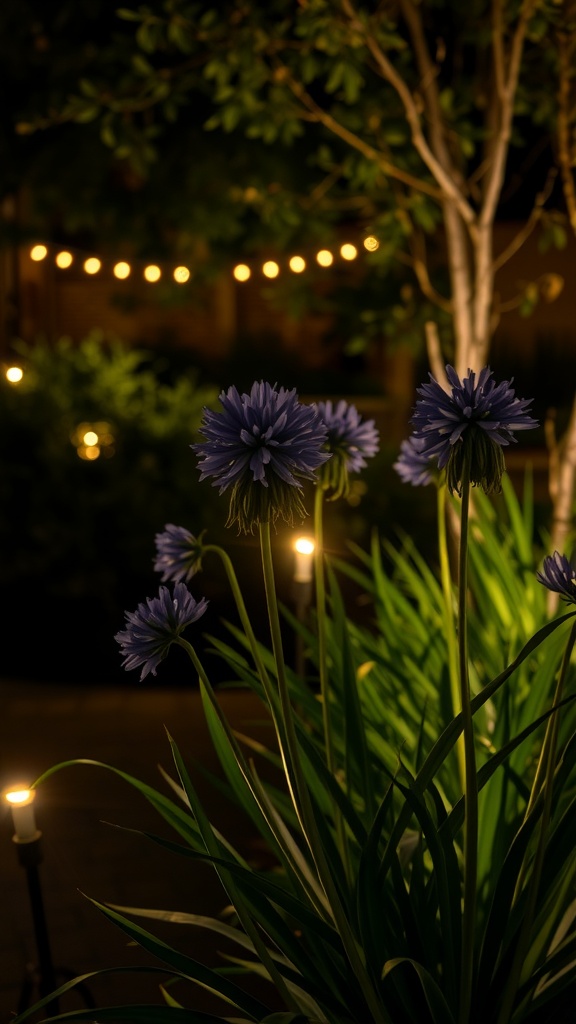
Agapanthus, with its striking blue and purple flowers, can really shine in the evening light. The image shows these beautiful blooms illuminated softly by garden lights, creating a cozy and inviting atmosphere. The gentle glow of the lights highlights the delicate petals and lush green leaves, making them stand out against the night sky.
Using garden lighting effectively can transform your outdoor space. It not only showcases the beauty of plants like agapanthus but also provides a warm setting for gatherings. String lights in the background add a charming touch, enhancing the overall feel of the garden.
When planning your garden lighting, think about where you want to draw attention. Placing lights near agapanthus can create a focal point, making your garden feel more alive at night. This way, you can enjoy the beauty of your plants even after the sun goes down.
The Longevity of Agapanthus in Gardens
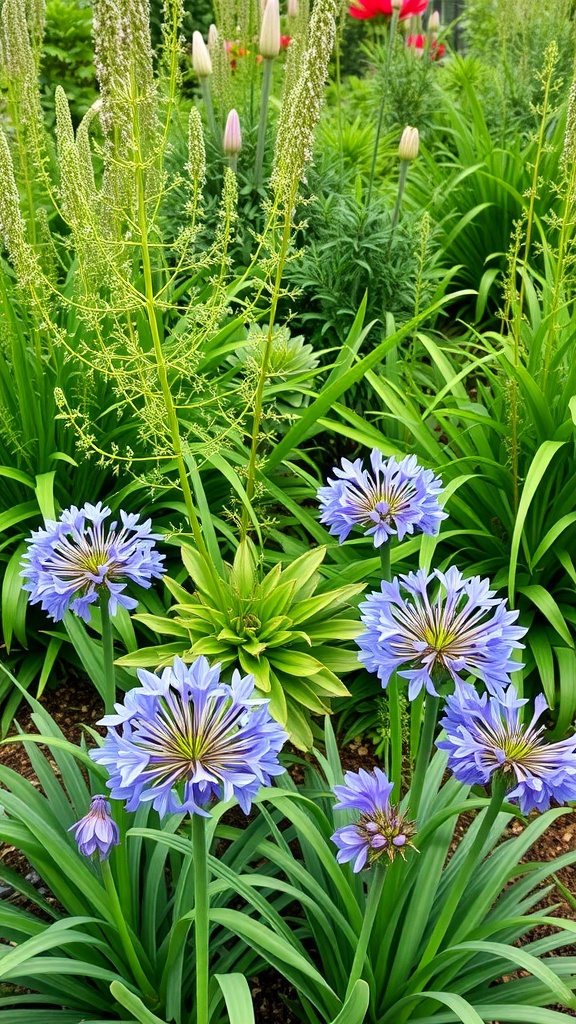
Agapanthus, often called the African lily, brings a splash of color and charm to gardens. The vibrant blue flowers seen in the image are a perfect example of how these plants can brighten up any space. Their striking blooms stand tall above lush green leaves, creating a beautiful contrast that catches the eye.
One of the best things about Agapanthus is their resilience. They thrive in various conditions, making them a favorite among gardeners. Whether in sunny spots or partial shade, these plants adapt well, ensuring they remain a staple in many gardens.
Moreover, Agapanthus is relatively low-maintenance. Once established, they require minimal care, allowing you to enjoy their beauty without constant attention. This longevity makes them a fantastic choice for both novice and experienced gardeners.
In addition to their hardiness, Agapanthus can also attract pollinators like bees and butterflies. This not only enhances the garden’s ecosystem but also adds life and movement to the space. With their stunning blooms and easy care, Agapanthus truly stands out as a long-lasting addition to any garden.
Agapanthus and Natural Landscaping
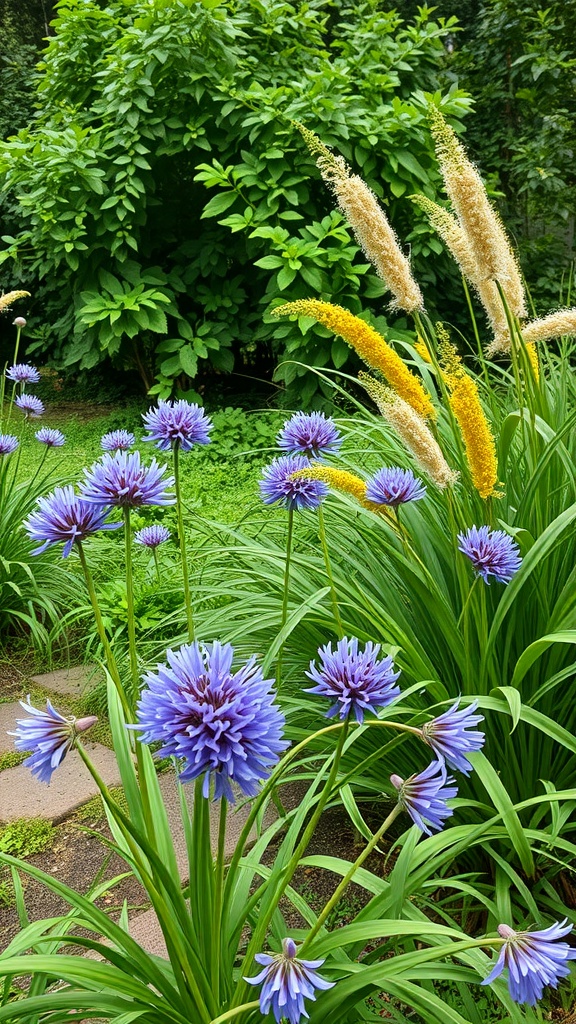
Agapanthus, often called lily of the Nile, brings a splash of color to gardens. The image shows vibrant purple blooms standing tall among lush greenery. These flowers thrive in various landscapes, making them a favorite for natural settings.
In the picture, you can see the striking contrast between the purple agapanthus and the soft green backdrop. This combination creates a serene atmosphere, perfect for any garden. The tall grasses in the background add texture and depth, enhancing the overall look.
Using agapanthus in natural landscaping is a great choice. They are hardy and require minimal maintenance, making them ideal for busy gardeners. Their unique shape and color can complement other plants beautifully, creating a harmonious garden space.
Whether planted in clusters or as standalone features, agapanthus can transform any outdoor area. They attract pollinators, adding life to your garden. So, if you’re looking to brighten up your landscape, consider adding these lovely blooms!
Agapanthus in Therapeutic Gardens
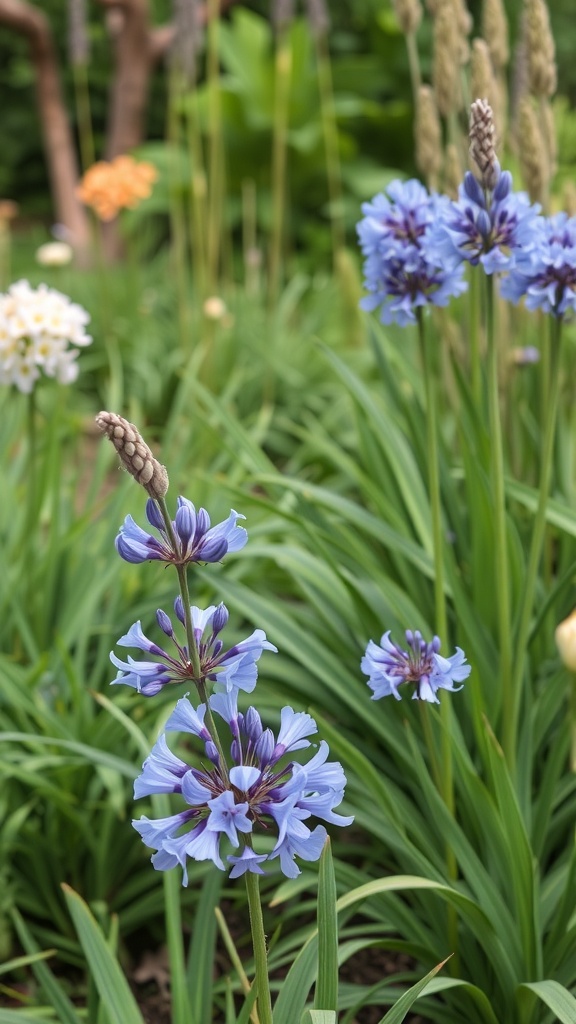
Agapanthus, with its striking blue flowers, adds a calming touch to therapeutic gardens. These plants thrive in sunny spots and bring joy to anyone who sees them. Their vibrant colors can lift spirits and create a peaceful atmosphere.
In therapeutic gardens, Agapanthus can be used to encourage mindfulness. The simple act of observing these flowers can help individuals feel more connected to nature. This connection can be soothing, especially for those seeking relaxation or healing.
Moreover, the low-maintenance nature of Agapanthus makes them ideal for these spaces. They require minimal care, allowing garden enthusiasts to focus on the therapeutic aspects of gardening without feeling overwhelmed.
Incorporating Agapanthus into a garden design can also promote social interaction. People may gather around these beautiful flowers, sharing stories and experiences, which can enhance the sense of community.
Agapanthus in Rock Gardens
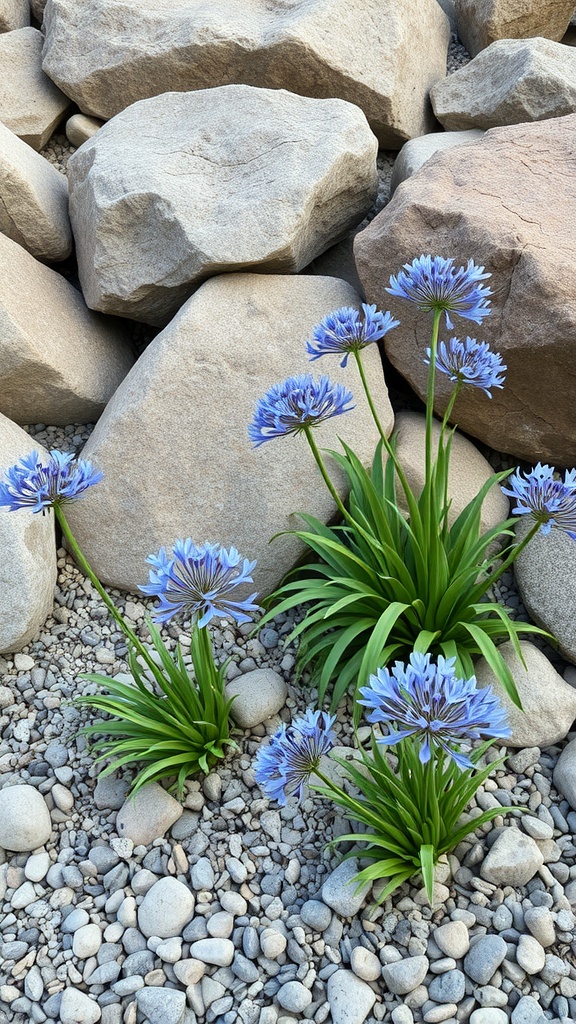
Agapanthus, with its striking blue flowers, adds a splash of color to rock gardens. The contrast between the delicate blooms and the rugged stones creates a beautiful visual appeal. These plants thrive in well-drained soil, making them perfect for rocky landscapes.
In the image, you can see clusters of Agapanthus nestled among large rocks and pebbles. This arrangement not only highlights the flowers but also enhances the natural beauty of the garden. The green leaves provide a lush backdrop, making the blue flowers pop even more.
Rock gardens often require low-maintenance plants, and Agapanthus fits the bill. They are hardy and can withstand dry conditions, which is ideal for rocky areas. Plus, their long blooming season means you can enjoy their beauty for months.
When planning your rock garden, consider grouping Agapanthus with other drought-tolerant plants. This will create a harmonious look while ensuring that each plant thrives in its environment. With the right care, your rock garden can be a stunning display of nature’s beauty.
Agapanthus in Historical Gardens
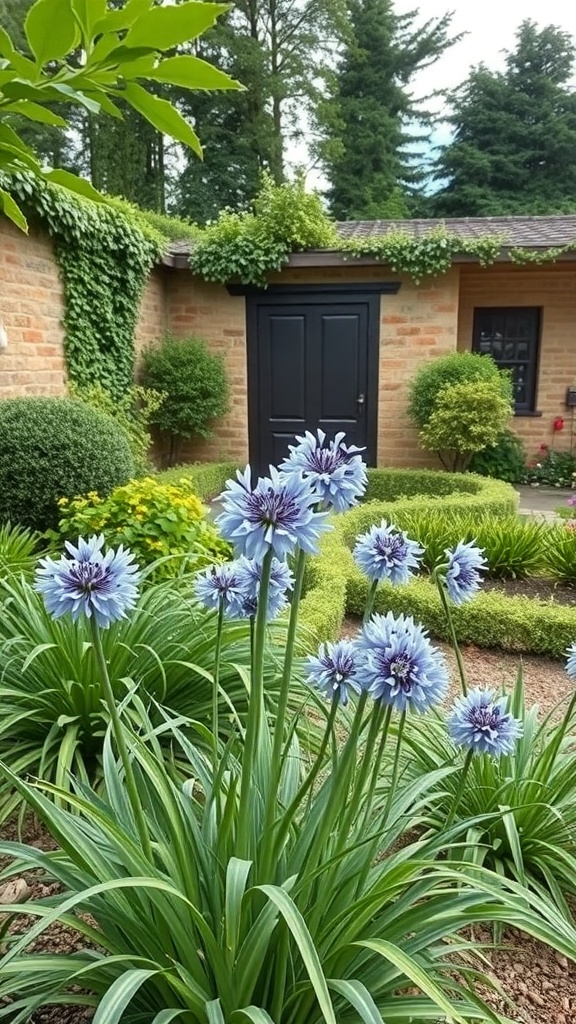
Agapanthus, often known as the African lily, has a rich history in gardens around the world. This beautiful plant, with its striking blue flowers, adds a touch of elegance to any landscape. In historical gardens, agapanthus has been used to create stunning focal points, drawing the eye with its vibrant blooms.
The image captures a lovely garden scene featuring agapanthus in full bloom. The tall, slender stems support clusters of blue flowers, creating a delightful contrast against the lush greenery. This combination of colors and textures showcases how agapanthus can enhance the beauty of traditional garden designs.
In many historical gardens, agapanthus symbolizes beauty and grace. Its presence can be traced back to ancient civilizations, where it was admired for its ornamental value. Today, these plants continue to thrive in gardens, reminding us of their long-standing appeal.
Whether planted in groups or as solitary specimens, agapanthus brings a timeless charm to any garden setting. Its ability to adapt to various climates makes it a favorite among gardeners, ensuring that its legacy will continue for generations to come.
Agapanthus for Backyard Retreats
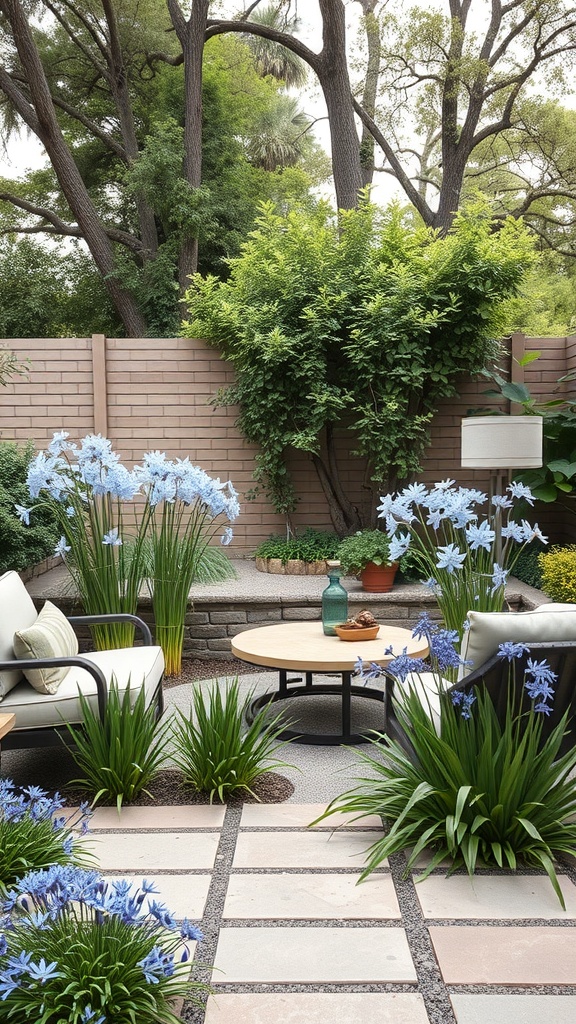
Agapanthus, with its stunning blue flowers, can transform any backyard into a cozy retreat. In the image, you can see how these lovely plants create a welcoming vibe. Their tall, vibrant blooms stand out beautifully against the greenery, adding a splash of color.
The arrangement of seating around a simple table invites relaxation. Imagine sipping your morning coffee or enjoying a book in this serene space. The combination of the agapanthus and the natural elements, like the trees and shrubs, enhances the overall feel of tranquility.
These plants thrive in sunny spots and are relatively easy to care for. They can be planted in clusters or as borders, making them versatile for different garden layouts. Whether you have a small patio or a larger yard, agapanthus can fit right in, bringing charm and beauty.
Agapanthus and Garden Design Trends
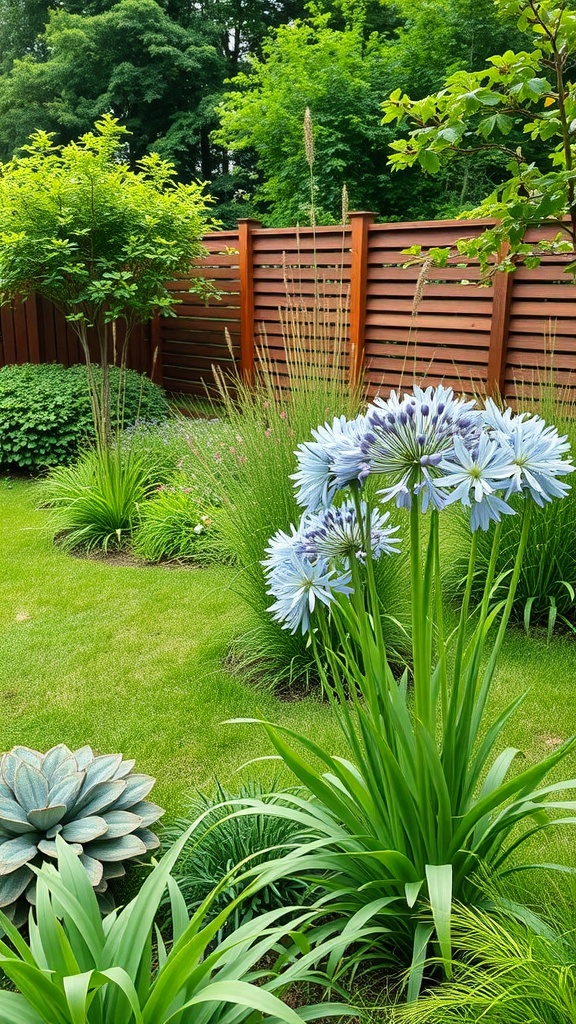
Agapanthus, with its striking blue flowers, is a popular choice in modern garden design. These plants add a splash of color and elegance to any outdoor space. In the image, you can see how the tall, vibrant blooms stand out against the lush greenery. Their unique shape and color create a focal point that draws the eye.
In recent trends, gardeners are leaning towards a more natural look. The combination of Agapanthus with grasses and other low-maintenance plants reflects this style. The soft textures and varied heights create a relaxed atmosphere. This design approach is perfect for those who want a beautiful garden without the hassle of constant upkeep.
Using Agapanthus in borders or as standalone features can enhance the overall aesthetic. They thrive in sunny spots and can be used in various garden styles, from contemporary to coastal. Their versatility makes them a favorite among both novice and experienced gardeners.
Agapanthus for Vertical Gardening
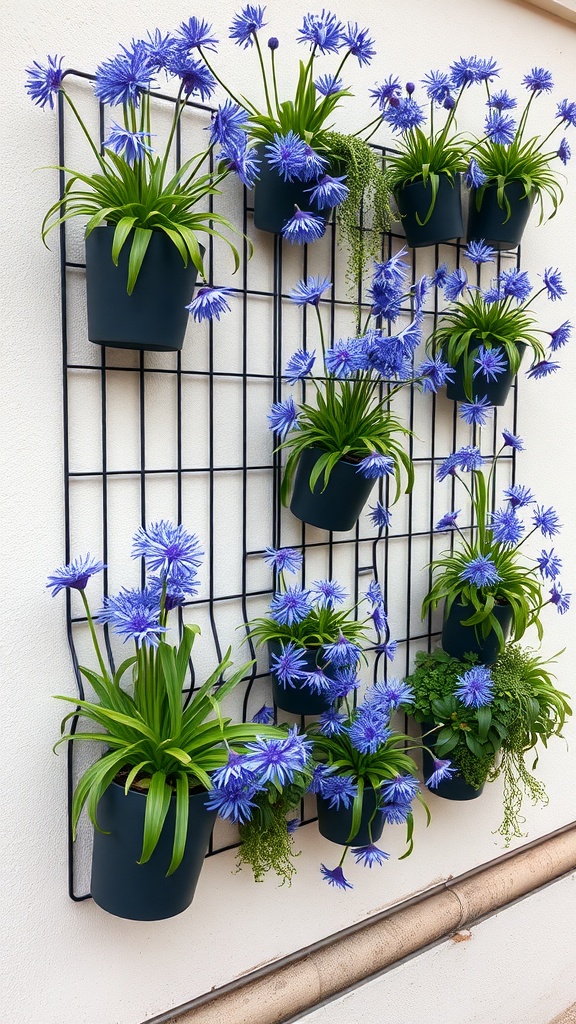
Agapanthus, with its stunning blue flowers, is perfect for vertical gardening. The image shows a creative setup where these plants are arranged on a grid, making a beautiful wall display. This method not only saves space but also adds a unique touch to any garden or patio.
Using Agapanthus in vertical gardening allows you to enjoy their vibrant blooms without taking up too much ground space. The pots are neatly hung, creating a striking visual effect. This arrangement can brighten up dull walls and make your outdoor area feel more alive.
Vertical gardening with Agapanthus is also practical. These plants thrive in pots, making them easy to care for. They require minimal maintenance and can be watered from above, ensuring that the roots stay healthy. Plus, the cascading greenery adds a lovely texture to the display.
If you’re looking to enhance your garden, consider incorporating Agapanthus in a vertical setup. It’s a fun and stylish way to showcase these beautiful flowers while maximizing your space.
Agapanthus in Winter Gardens
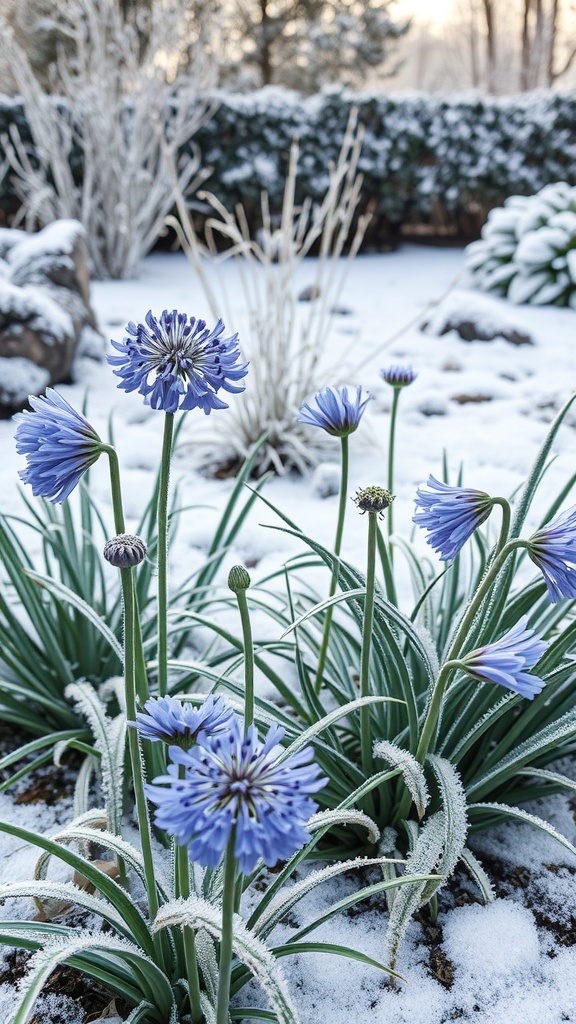
Agapanthus, often known as the African lily, brings a unique charm to winter gardens. In this image, you can see these lovely blue flowers peeking through a light dusting of snow. Their vibrant color stands out beautifully against the white backdrop, creating a striking visual.
Winter can be tough on many plants, but Agapanthus is surprisingly resilient. While they may not bloom as profusely in colder months, their evergreen foliage adds texture and interest to the garden. The long, slender leaves provide a lovely contrast to the snow-covered ground.
In a winter garden, Agapanthus can serve as a focal point. They remind us that even in the coldest months, life and color persist. Pairing them with other winter-hardy plants can enhance their beauty. Consider adding some evergreens or ornamental grasses to create a layered look.
Overall, Agapanthus in winter gardens offers a delightful surprise. Their ability to thrive in various conditions makes them a favorite among gardeners. So, if you’re looking to add some color to your winter landscape, these flowers are a great choice!
Agapanthus and Garden Maintenance
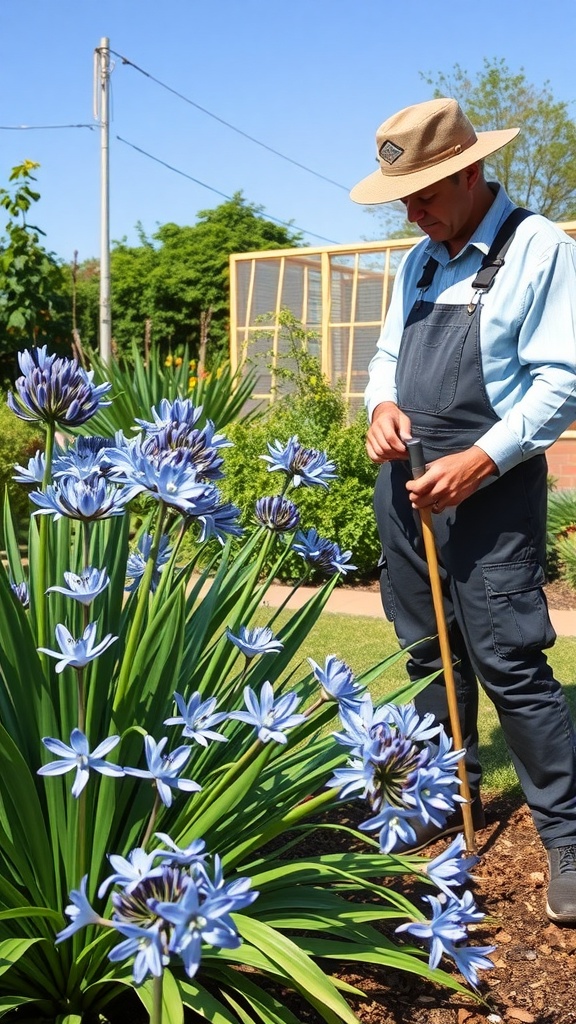
Agapanthus, with its striking blue flowers, adds a vibrant touch to any garden. In the image, a gardener tends to these beautiful plants, showcasing the joy of maintaining a garden filled with these lovely blooms.
Taking care of agapanthus is not too demanding. Regular watering is key, especially during dry spells. Mulching around the base helps retain moisture and keeps weeds at bay. It’s also a good idea to trim spent flowers to encourage new growth.
Fertilizing once in spring can give these plants a boost. Using a balanced fertilizer will help them thrive. If you notice overcrowding, dividing the plants every few years can promote healthier growth and more blooms.
Overall, with a little attention, agapanthus can flourish and bring beauty to your outdoor space. Enjoy the process of gardening, and let these stunning flowers brighten your days!
Agapanthus and Seasonal Landscapes
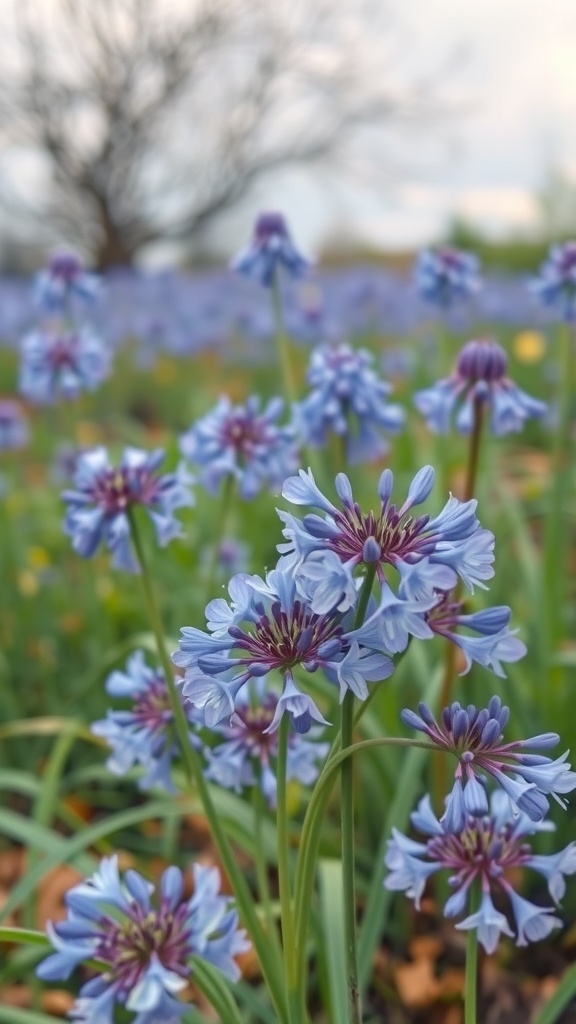
Agapanthus, with its striking blue flowers, adds a splash of color to gardens throughout the seasons. These beautiful blooms create a stunning visual impact, especially when they sway gently in the breeze. The image captures a vibrant cluster of Agapanthus, showcasing their delicate petals and rich hues.
In spring and summer, Agapanthus thrives, bringing life to any landscape. Their tall stalks and lush green foliage provide a perfect backdrop for other plants. This makes them a favorite among gardeners looking to create a lively atmosphere. The contrast of blue against green is simply delightful.
As the seasons change, Agapanthus continues to shine. Even as other flowers fade, their resilience keeps gardens looking fresh. They can be paired with various plants, making them versatile for different garden styles. Whether in a formal garden or a casual backyard, Agapanthus always stands out.
Agapanthus as Cut Flowers
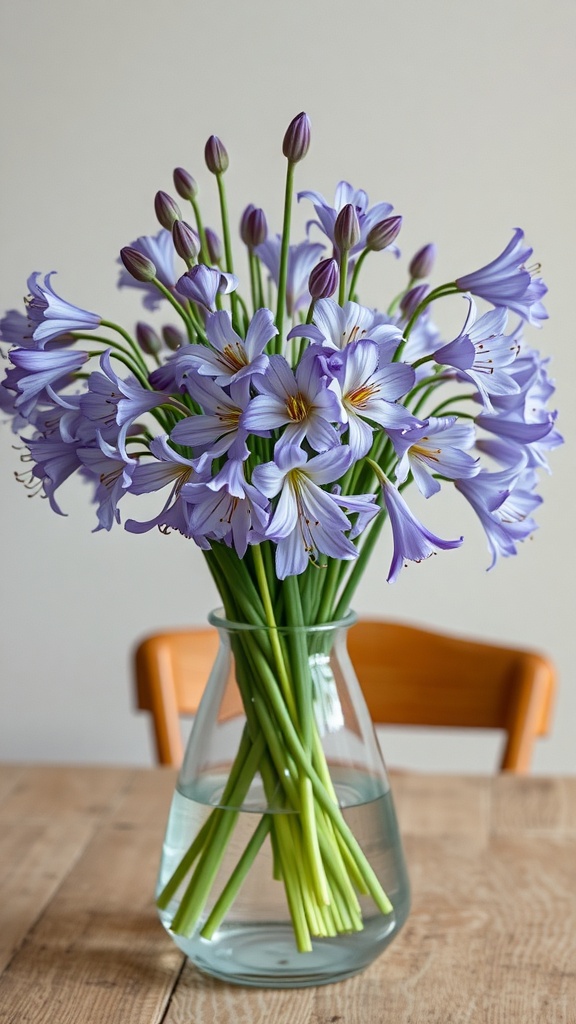
Agapanthus, with its stunning clusters of blue and purple blooms, makes a delightful choice for cut flowers. In the image, you can see a beautiful arrangement of these flowers in a clear vase, showcasing their vibrant colors and unique shape. The tall, slender stems and delicate petals create a lovely focal point for any room.
These flowers are not just pretty; they also have a long vase life. When cut at the right time, Agapanthus can last for up to two weeks, bringing joy and color to your home. To keep them fresh, make sure to change the water regularly and trim the stems at an angle.
Agapanthus arrangements can brighten up any space, whether it’s a dining table or a cozy corner. Their elegant look pairs well with various decor styles, making them a versatile choice for any occasion. Plus, they can be mixed with other flowers for a more dynamic display, adding depth and texture to your arrangements.
Agapanthus in Eco-Friendly Gardens
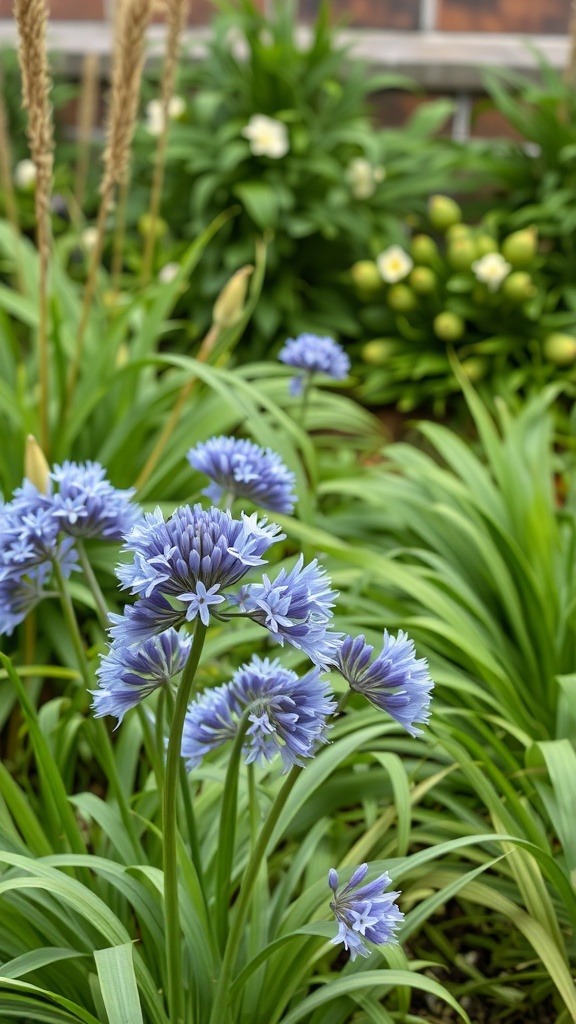
Agapanthus, with its striking blue flowers, adds a splash of color to eco-friendly gardens. These plants thrive in various conditions, making them a great choice for sustainable landscaping.
In the image, you can see clusters of Agapanthus surrounded by lush green foliage. Their vibrant blooms attract pollinators like bees and butterflies, which are essential for a healthy garden ecosystem.
Using native plants alongside Agapanthus can enhance biodiversity. This combination not only looks beautiful but also supports local wildlife. Plus, Agapanthus requires minimal water once established, making it a smart choice for water-wise gardening.
Incorporating these plants into your garden can create a serene space that’s both visually appealing and environmentally friendly. So, if you’re looking to spruce up your garden, consider adding Agapanthus for a pop of color and a boost to your garden’s eco-friendliness.
Agapanthus in Flower Shows
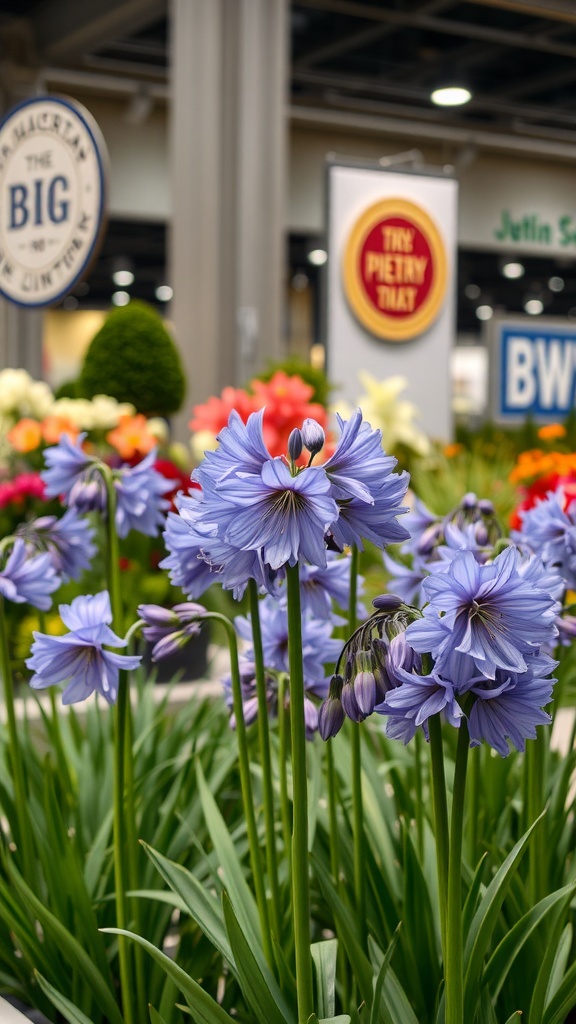
Agapanthus, with its stunning blue flowers, is a favorite at flower shows. These blooms catch the eye and draw in visitors. The vibrant colors and unique shape make them stand out among other plants.
In the image, you can see clusters of agapanthus flowers surrounded by a lively display. The soft blue petals create a lovely contrast against the greenery. This combination adds a fresh touch to any garden setting.
Flower shows are a great place to see agapanthus in full bloom. They often showcase different varieties, allowing enthusiasts to appreciate the diversity of this beautiful plant. Attendees can gather tips on care and cultivation, making it a perfect outing for gardeners.
Whether you’re a seasoned gardener or just starting out, seeing agapanthus in person can inspire new ideas for your own garden. Their striking appearance and ease of care make them a great addition to any floral collection.
Agapanthus and Sustainable Gardening
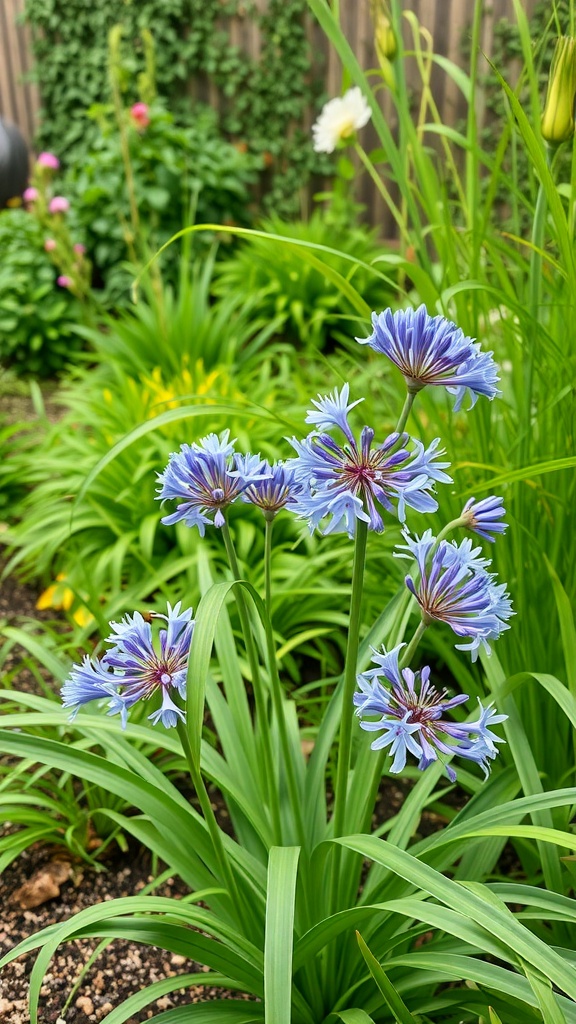
Agapanthus, with its striking blue flowers, adds beauty to any garden. These plants thrive in various conditions, making them a favorite among gardeners. Their vibrant blooms can brighten up spaces, creating a lively atmosphere.
In sustainable gardening, choosing plants like Agapanthus is a smart move. They require less water once established, which helps conserve resources. This makes them a great option for eco-friendly gardens.
Moreover, Agapanthus attracts pollinators like bees and butterflies. This not only supports local wildlife but also enhances the garden’s ecosystem. By planting these flowers, you’re contributing to a healthier environment.
Incorporating Agapanthus into your garden design can be both visually appealing and environmentally friendly. Their low maintenance needs mean you can enjoy their beauty without a lot of effort. So, if you’re looking to create a sustainable garden, consider adding these lovely plants.
Agapanthus in Indoor Spaces
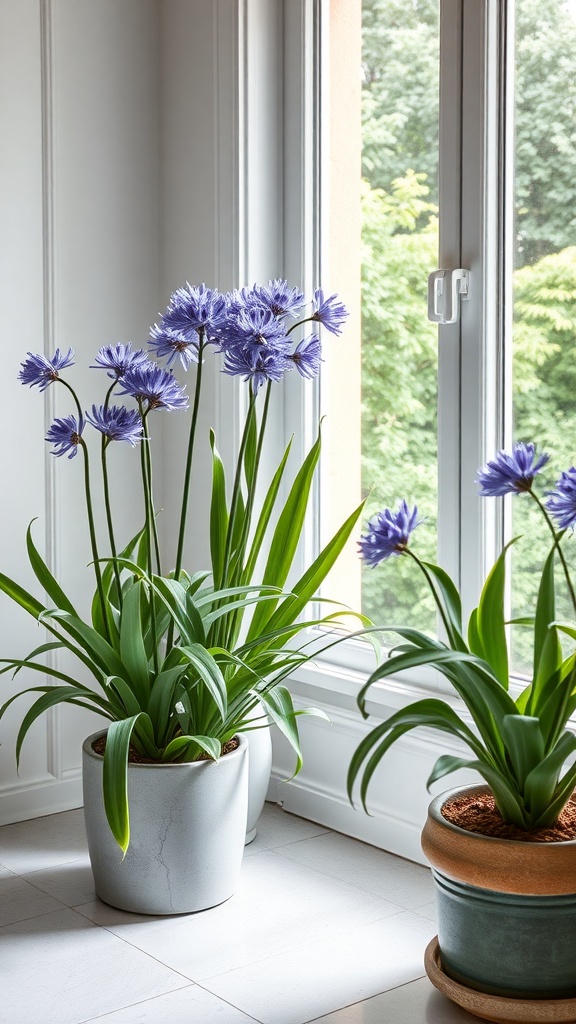
Agapanthus, with its striking blue flowers, can bring a fresh vibe to indoor spaces. The image shows beautiful agapanthus plants in stylish pots, brightening up a cozy corner by the window.
These plants thrive in bright light, making a sunny window the perfect spot. The tall, slender leaves add a touch of elegance while the blooms create a cheerful atmosphere. They can easily become a focal point in any room.
Taking care of agapanthus indoors is simple. They prefer well-drained soil and moderate watering. Just ensure they get enough sunlight, and they’ll flourish beautifully.
Adding agapanthus to your indoor decor not only enhances the look of your space but also brings a bit of nature inside. It’s a lovely way to enjoy the beauty of flowers year-round.
Agapanthus and Cultural Festivals
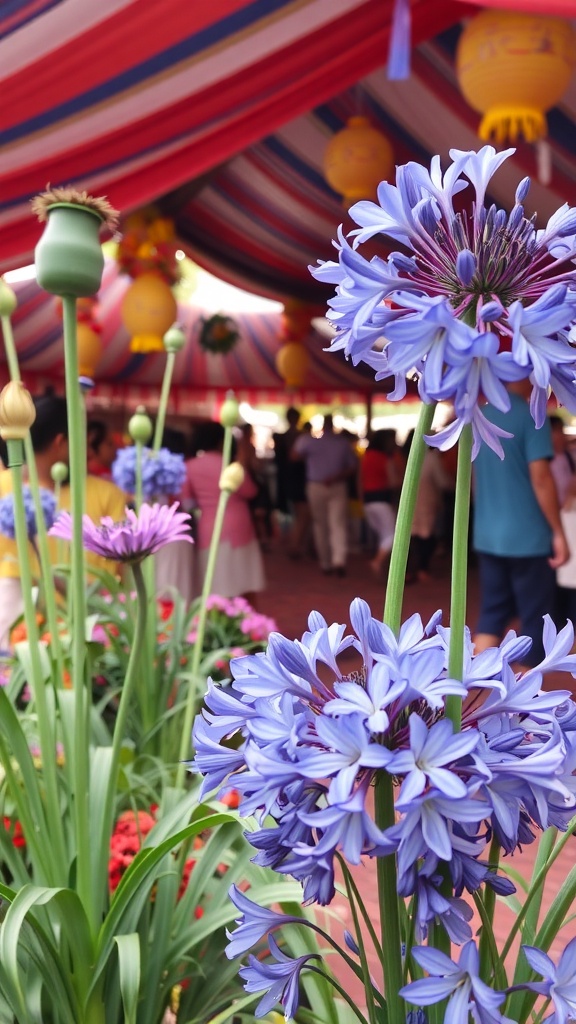
Agapanthus, with its striking blue flowers, often takes center stage during cultural festivals. These vibrant blooms add a splash of color and joy to celebrations, making them a favorite among festival-goers.
The image captures a lively festival scene, showcasing agapanthus in full bloom. The colorful tent overhead and the crowd in the background create a festive atmosphere. It’s a perfect setting for people to gather, enjoy the beauty of nature, and celebrate together.
Festivals featuring agapanthus often include activities like flower displays, workshops, and even competitions. Visitors can learn about gardening, participate in floral arrangements, and appreciate the beauty of these stunning plants. The combination of community spirit and nature makes these events truly special.
Agapanthus and Garden Photography
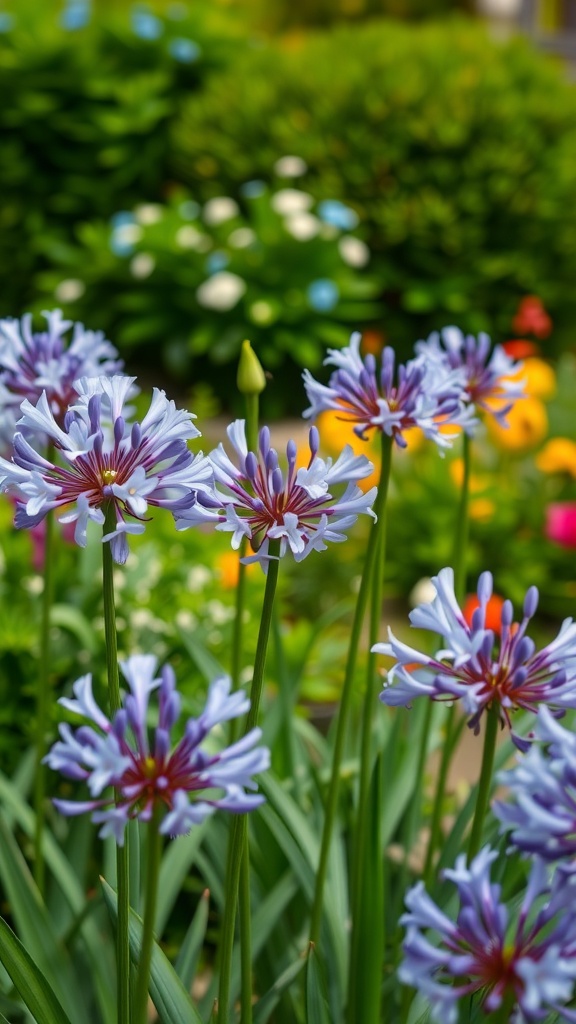
Agapanthus, with its striking blue and purple flowers, makes a stunning subject for garden photography. These blooms stand tall, creating a beautiful contrast against the lush green backdrop. The vibrant colors draw the eye, making it hard to resist capturing their beauty.
In the image, you can see clusters of Agapanthus flowers, each with unique patterns. The delicate petals and prominent stamens add depth and interest. Surrounding them are other colorful flowers, creating a lively scene that showcases the diversity of a garden.
When photographing Agapanthus, consider the time of day. Early morning or late afternoon light can enhance their colors, giving your photos a warm glow. Experimenting with angles can also reveal different perspectives, making your images stand out.
Agapanthus for Community Gardens
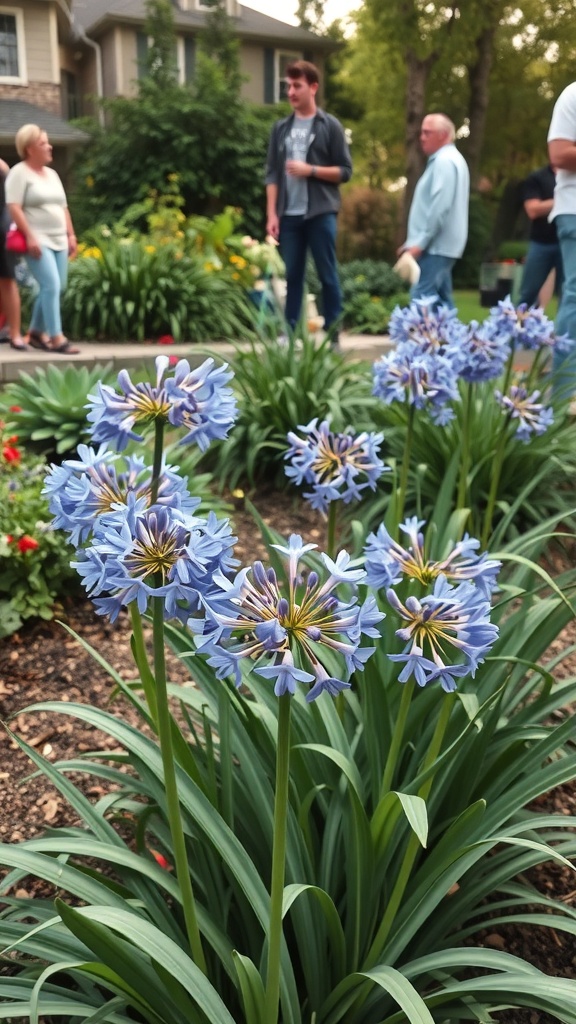
Agapanthus, with its stunning blue flowers, brings a cheerful vibe to community gardens. These plants are not just beautiful; they are also easy to care for, making them a favorite among gardeners.
In the image, you can see vibrant clusters of Agapanthus blooming, surrounded by people enjoying the garden. This setting shows how these flowers can create a welcoming atmosphere for community gatherings. The tall, graceful stems and star-shaped blooms add a pop of color that draws attention.
Community gardens thrive on collaboration, and Agapanthus can play a key role in this. They attract pollinators, which helps other plants flourish. Plus, their low maintenance needs mean more time for community members to connect and enjoy the space.
Using Agapanthus in community gardens not only beautifies the area but also encourages people to come together. Whether it’s for a gardening workshop or a casual meet-up, these flowers help set the scene for community bonding.
Agapanthus for Urban Green Spaces
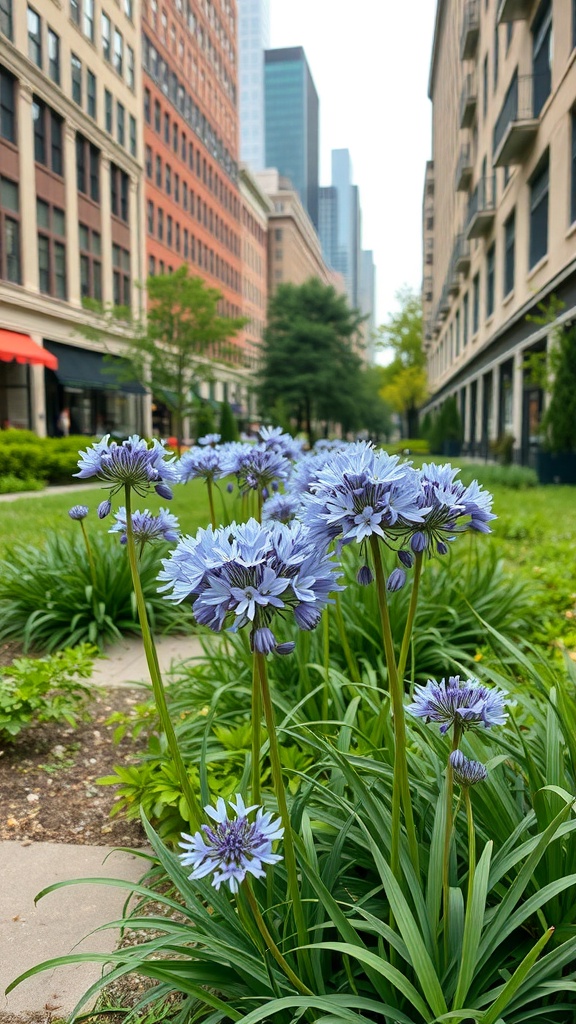
Agapanthus, with their striking blue flowers, bring a splash of color to urban green spaces. These plants thrive in city gardens, adding beauty and charm to concrete surroundings. Their tall, graceful stems and vibrant blooms create a lovely contrast against the backdrop of buildings.
In the image, you can see clusters of Agapanthus standing proudly among lush green foliage. This scene perfectly illustrates how these flowers can soften the hard edges of urban architecture. They not only enhance the visual appeal but also attract pollinators, making city gardens more lively.
Urban green spaces benefit from the resilience of Agapanthus. They are low-maintenance and drought-tolerant, making them ideal for busy city dwellers. Planting these flowers can transform a simple garden into a vibrant oasis, inviting residents to enjoy nature right in their neighborhood.
Agapanthus and Garden Workshops
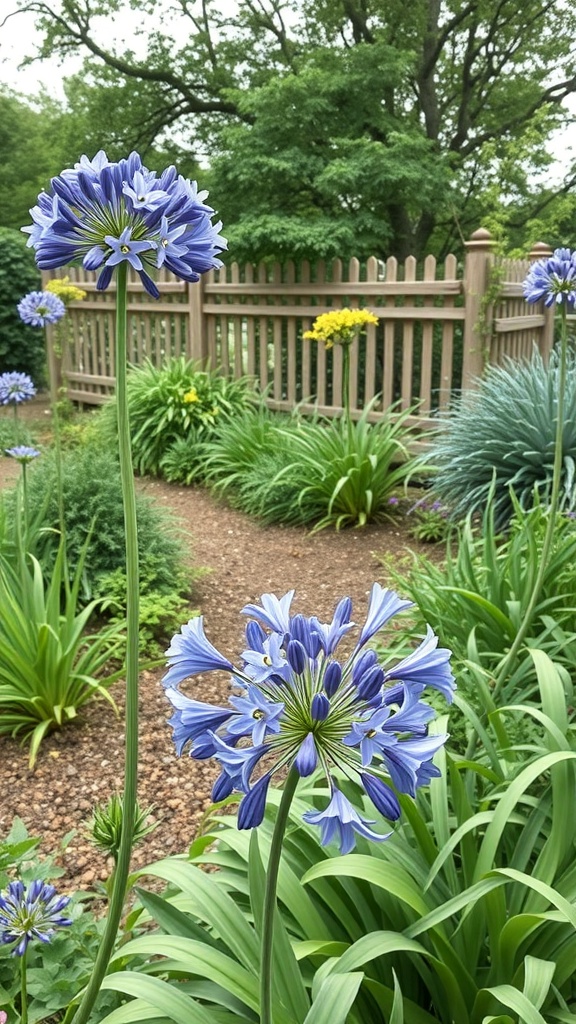
Agapanthus, with its stunning blue flowers, brings a splash of color to any garden. These plants thrive in sunny spots and can create a beautiful focal point. In garden workshops, participants often learn how to care for these lovely blooms, ensuring they flourish in their own spaces.
Workshops typically cover planting techniques, soil preferences, and watering needs. Attendees can get hands-on experience, which makes learning fun and engaging. The image shows agapanthus standing tall, surrounded by lush greenery, showcasing how they can enhance a garden’s beauty.
In addition to practical skills, workshops often encourage creativity. Participants might design their own garden layouts, incorporating agapanthus alongside other plants. This not only boosts gardening skills but also inspires personal expression through nature.
Agapanthus in Community Landscaping
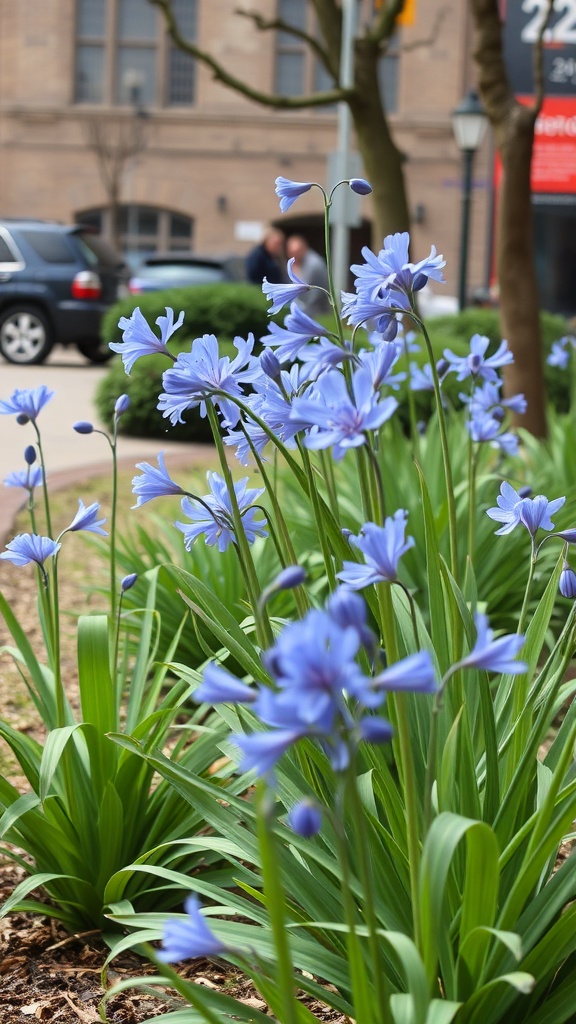
Agapanthus, with its striking blue flowers, brings a splash of color to community landscapes. These plants thrive in various conditions, making them a favorite for public gardens and parks.
In the image, you can see clusters of Agapanthus blooming vibrantly. Their tall, slender stems and lush green leaves create an inviting atmosphere. This makes them perfect for enhancing sidewalks and community spaces.
Using Agapanthus in landscaping not only beautifies the area but also attracts pollinators. Bees and butterflies are drawn to their flowers, adding life to the environment. This connection to nature is essential for community well-being.
Moreover, Agapanthus is low-maintenance, which is a big plus for community gardeners. They require minimal care while providing maximum visual appeal. This makes them a smart choice for urban landscaping.